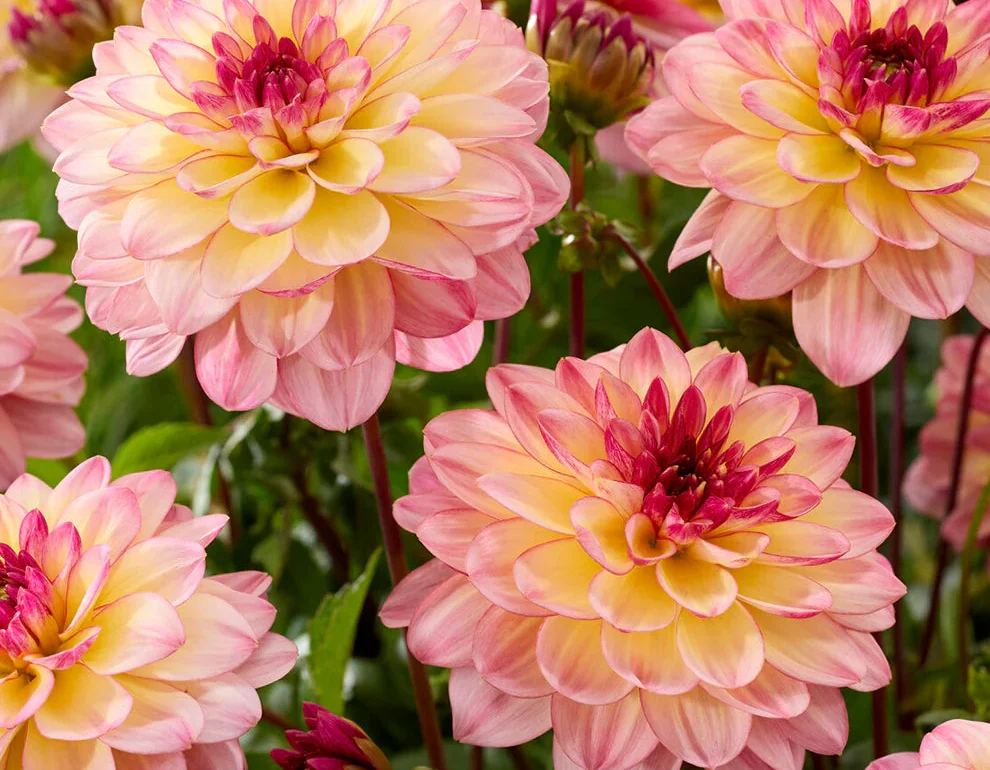
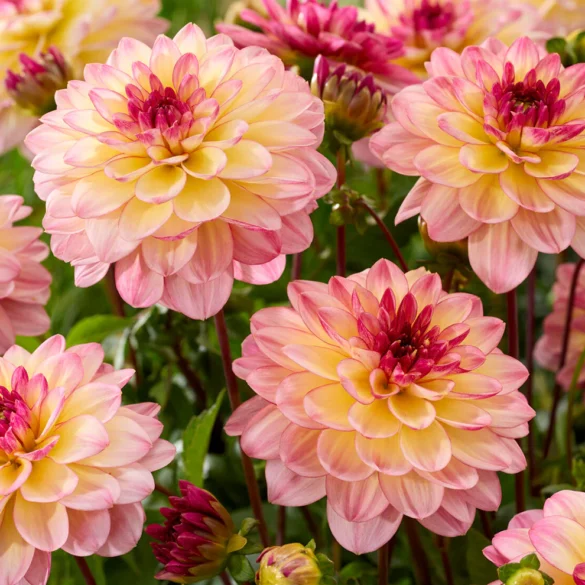
Beautiful gardens aren’t accidents—they result from thoughtful design combining plant varieties, color palettes, and strategic placement creating cohesive, visually stunning landscapes. Garden design enables homeowners to create personalized outdoor spaces reflecting their aesthetic preferences and lifestyle. Understanding fundamental design principles helps gardeners compose gardens that evolve beautifully through seasons while maintaining visual interest continuously. From early spring bulbs through autumn perennials, well-designed gardens display sequential beauty across months. This guide reveals design principles enabling homeowners to create gardens that showcase flowers beautifully while providing satisfying visual experiences year-round.
Understanding Color Theory and Complementary Combinations
Successful garden design employs color theory principles creating visually harmonious, striking compositions. Complementary colors—opposite on color wheels—create dramatic contrast. Purple and yellow combinations create energetic, attention-grabbing displays. Split-complementary schemes using one color with two colors adjacent to its complement create balanced excitement. Analogous schemes using colors adjacent on color wheels create cohesive, unified compositions. Monochromatic color schemes using single colors with varying tones and shades create sophisticated, refined appearances. Warm color schemes featuring reds, oranges, and yellows create inviting, energetic spaces. Cool color schemes featuring blues, purples, and whites create calming, peaceful atmospheres. Understanding these principles enables gardeners to compose colors intentionally rather than creating chaotic, clashing combinations. Strategic color planning transforms gardens from random plant accumulations into composed, purposeful landscapes.
Layering Plants by Height Creating Dimensional Depth
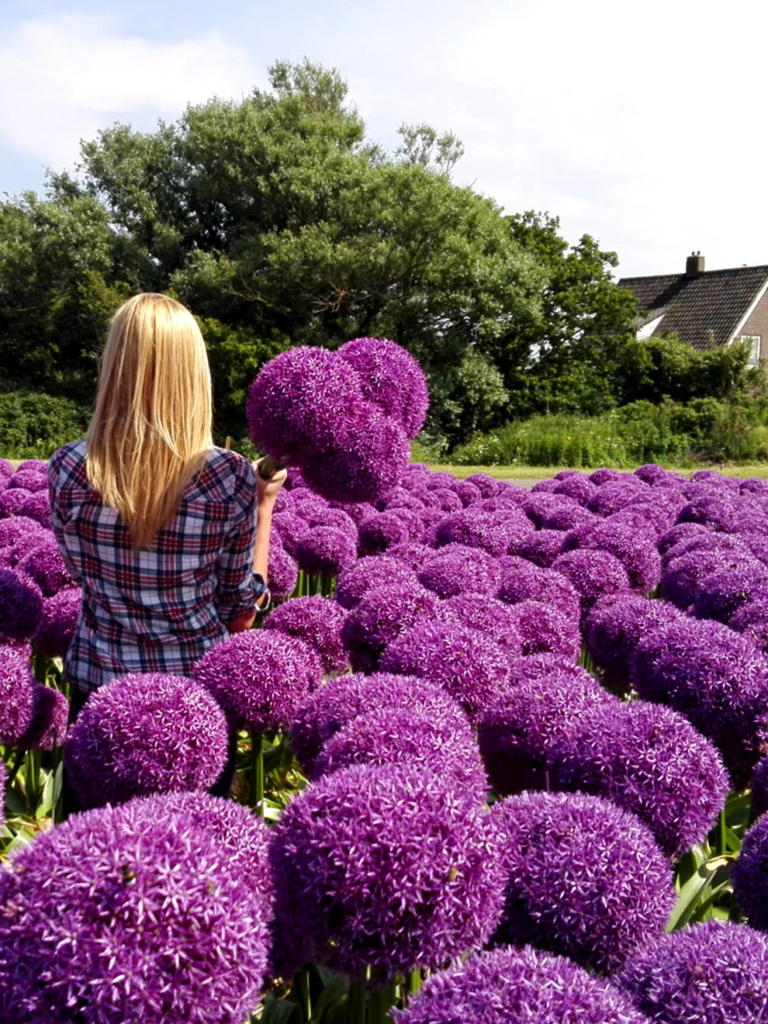
Three-dimensional garden layering creates visual depth and ensures all plants receive appropriate visibility. Tall plants positioned toward garden backs or centers provide background structure. Medium plants mid-layer fill visual middle spaces. Short plants positioned foreground frame composition and bridge eye level gradations. This layering creates visual progression drawing eyes through gardens. Improperly arranged gardens with randomly varied heights create chaotic, unbalanced appearances. Intentional layering by height creates balanced, proportionate compositions. Tall delphiniums behind medium tulips in front of short pansies create visually progressive displays showcasing each layer distinctly. Proper layering enables displaying maximum plant variety while maintaining design cohesion.
Succession Planting for Continuous Seasonal Blooms
Carefully planned gardens display continuous flowers from early spring through autumn frost. Succession planting staggers bloom times ensuring some flowers display throughout seasons. Early spring bulbs—crocuses, snowdrops, early daffodils—appear first. Mid-spring tulips and later daffodils extend spring display. Late spring bleeding hearts and late bulbs transition toward summer. Summer perennials—coreopsis, rudbeckia, echinacea—dominate mid-year. Autumn bloomers—asters, mums, sedum—provide late-season color. Cool-season pansies and violas extend color into late autumn. This succession creates gardens never appearing barren or flowerless. Continuous bloom rewards gardeners with evolving beauty across months. Planning succession blooms prevents spring gardens followed by flowerless summers and autumns.
Creating Focal Points and Visual Interest Centers
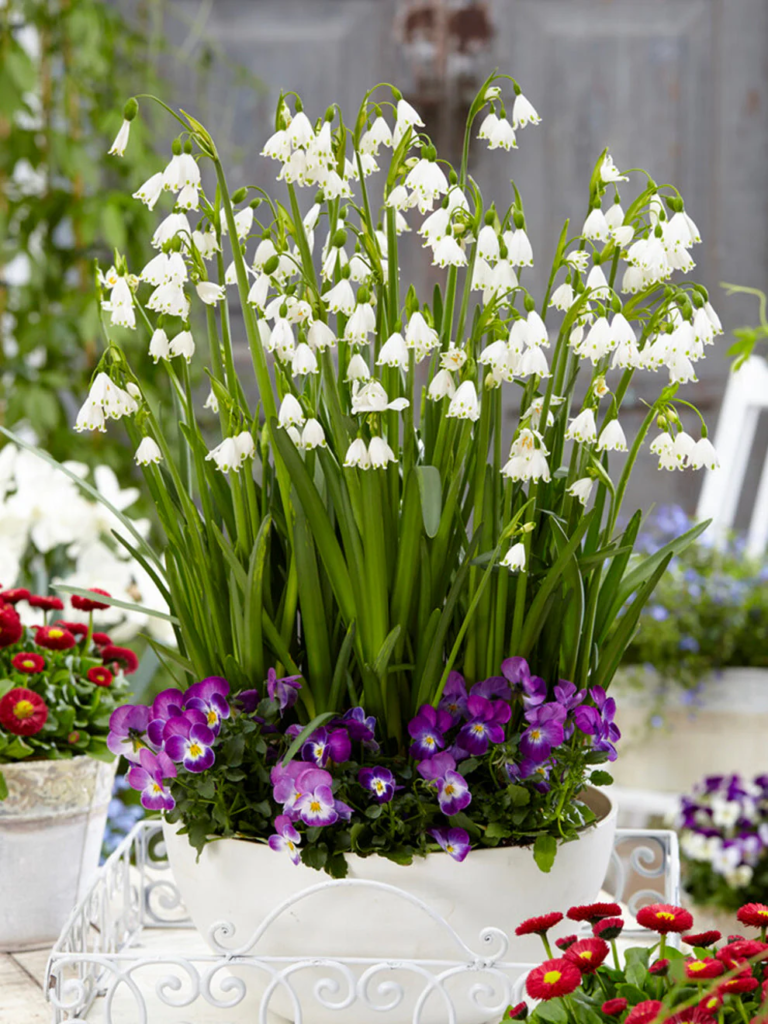
Well-designed gardens contain focal points drawing attention and creating compositional anchors. A tall flowering plant creates vertical focal point. A decorative planter or sculpture creates structural focus. A seating area positioned to view the garden creates functional focus. Multiple focal points arranged in triangular patterns create balanced, interesting compositions. Focal points prevent gardens from feeling flat or directionless. Eyes naturally seek focal points, and properly positioned focal points guide viewing progression through gardens. Limiting focal points prevents chaotic, overwhelming gardens with too many competing attention-grabbers. Strategic focal point placement transforms gardens from random plantings into composed, intentional landscapes.
Grouping Plants by Growing Requirements for Simplified Maintenance
Grouping plants with similar water, light, and nutrient requirements simplifies maintenance significantly. Plants preferring dry conditions plant together in well-draining areas. Plants preferring moisture planted together in retentive soil areas. Shade plants grouped in shaded locations thrive without struggling. Sun lovers grouped in full-sun locations flourish. This grouping prevents gardening situations where some plants thrive while neighbors struggle due to mismatched conditions. Simplified maintenance enables more sustainable, successful gardens. Gardeners understand each grouping’s needs rather than managing conflicting requirements. This simplified maintenance approach sustains gardener enthusiasm and commitment.
Incorporating Texture and Foliage Variety Beyond Flowers
Gardens relying solely on flowers create visually monotonous spaces when flowering concludes. Incorporating varied foliage textures and colors creates sustained visual interest. Fine-textured plants create delicate, airy effects. Coarse-textured plants create bold, strong statements. Silver-foliaged plants provide luminous accents. Dark foliage creates depth and contrast. Variegated plants with multicolored leaves add visual complexity. Evergreen structural plants provide winter interest. These foliage elements create visual appeal beyond flowering periods. Gardens incorporating textural variety remain visually interesting year-round. Foliage consideration elevates garden design from seasonal flower display to sophisticated, sustainable landscape.
- Apply color theory principles strategically creating harmonious, coordinated color compositions.
- Layer plants by height creating dimensional depth and balanced visual progression.
- Plan succession blooms ensuring continuous flowers from spring through autumn.
- Incorporate focal points guiding eye movement and creating compositional anchors.
- Group plants by growing requirements simplifying maintenance and improving plant health.
Designing beautiful gardens transforms outdoor spaces into personal expressions of aesthetic vision. Through thoughtful color composition, dimensional layering, succession planning, strategic focal points, and foliage consideration, homeowners create gardens that reward years of viewing pleasure. Your garden deserves intentional design elevating it beyond random plantings into cohesive, beautiful landscapes reflecting your aesthetic values and celebrating the beauty flowering plants provide.