Growing gardens begins with understanding fundamental principles that enable plants to thrive. Many beginner gardeners believe gardening requires inherent talent, when actually understanding basic plant needs and growing conditions enables successful cultivation. Spring and autumn bulbs transform into spectacular displays when planted properly and tended through their growing cycles. Understanding soil preparation, planting depth, watering schedules, and light requirements enables even complete beginners to grow beautiful gardens. This guide reveals essential gardening fundamentals that transform novice gardeners into confident cultivators of beautiful growing spaces.
Understanding Your Growing Environment and Microclimates
Successful gardening begins with understanding your growing environment. Observe your garden throughout the day, noting which areas receive direct sun, partial shade, or full shade. Most flowering plants prefer full sun—at least 6 hours of direct sunlight daily. Some plants thrive in partial shade, particularly in hot climates where afternoon shade prevents wilting. Understanding light patterns enables strategic plant placement where plants receive appropriate light for optimal growth. Soil characteristics matter equally—well-draining soil prevents waterlogging that causes root rot. Heavy clay soils benefit from organic matter amendment improving drainage. Sandy soils benefit from organic matter retention increasing water-holding capacity. Observing your microclimate and understanding soil enables strategic plant selection matching existing conditions rather than futilely battling environmental constraints.
Soil Preparation as Foundation for Plant Success
Healthy soil forms the foundation of successful gardening. Bulbs planted in compacted, nutrient-poor soil struggle regardless of care. Before planting, prepare soil by incorporating organic matter—compost, peat moss, or aged manure. These amendments improve soil structure, add nutrients, and increase water retention. Most bulbs prefer slightly acidic to neutral soil pH around 6.0-7.0. Soil testing kits identify existing pH enabling targeted amendment if necessary. Well-prepared soil enables roots to penetrate easily, access nutrients efficiently, and absorb water properly. Spending time on soil preparation before planting prevents years of struggling with poorly established plants. Healthy soil grows healthy plants with minimal ongoing intervention.
Proper Bulb Planting Depth and Spacing
Bulb planting depth profoundly influences germination and flower development. General guidelines suggest planting depth approximately three times the bulb’s diameter—large bulbs deeper than small bulbs. Shallow planting results in weak root development and poor flowering. Excessive depth strains bulbs and may prevent emergence. Spacing influences mature plant appearance and competition. Crowded plantings create congestion limiting air circulation and increasing disease risk. Proper spacing creates visual appeal in mature gardens with adequate air circulation. Reading planting instructions for specific bulb varieties ensures correct depth and spacing. Professional planting ensures future success while establishing beautiful mature gardens.
Watering Strategies Matching Plant Requirements
Watering represents the skill most new gardeners struggle with—balancing adequate moisture against overwatering that causes rot. Different plants require different watering schedules. Bulbs prefer drying between waterings after sprouting but require consistent moisture during active growth. Overwatering causes far more plant deaths than underwatering—saturated soil restricts oxygen availability, encouraging fungal diseases and root rot. Soil moisture testing using fingers or moisture meters prevents guessing. Generally, watering deeply and infrequently builds stronger root systems than frequent, shallow watering. Most gardens benefit from 1-2 inches of water weekly during active growth, adjusting for rainfall. Irrigation systems delivering water directly to soil prevent leaf wetness that encourages fungal diseases.
Timing Bulb Planting for Successful Germination
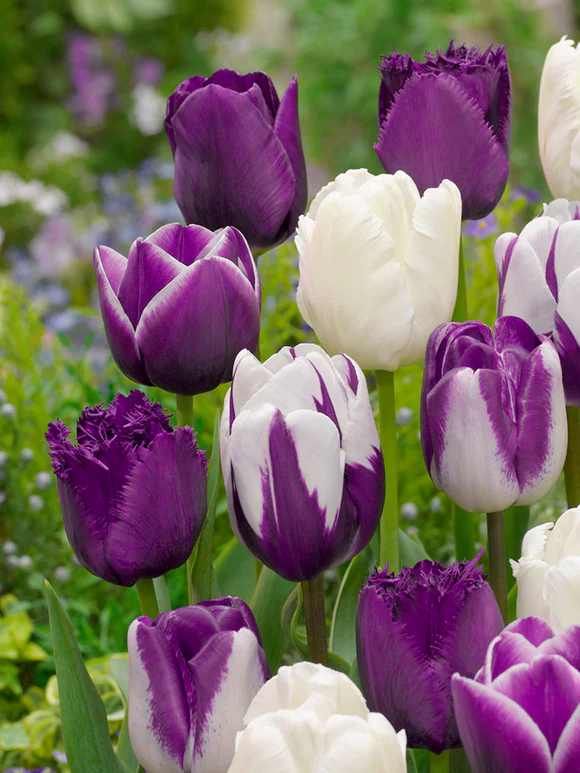
Timing matters significantly for bulb planting success. Spring bulbs—tulips, daffodils, crocuses—require winter cold dormancy to germinate properly. Planting occurs in autumn when soil temperatures cool below 60 degrees Fahrenheit. Winter cold naturally satisfies dormancy requirements enabling spring emergence. Planting too early in warm autumn soil risks premature sprouting followed by freezing death. Spring planting of spring bulbs often fails because dormancy requirements aren’t met. Summer-blooming bulbs like dahlias and cannas plant after last frost dates when soil warms. Following regional planting schedules ensures bulbs germinate at proper times. Local garden centers and extension services provide regional planting calendars simplifying timing.
Fertilizing and Nutrient Management Throughout Seasons

Consistent nutrient availability enables vigorous growth and abundant flowering. Bulbs enter dormancy containing stored nutrients sustaining spring growth—initial fertility proves relatively unimportant. However, active growth requires consistent nutrient availability. Balanced fertilizers (equal nitrogen, phosphorus, potassium ratios) support overall plant development. Phosphorus-rich fertilizers encourage flowering. Regular applications throughout growing seasons sustain vigor. Organic matter amendments like compost provide nutrients gradually while improving soil structure. Applying fertilizer at proper rates prevents excessive nitrogen promoting foliage at flowering expense. Following fertilizer label instructions ensures appropriate application rates. Consistent nutrient management throughout seasons builds strong plants producing abundant flowers.
- Observe your garden’s light patterns and understand microclimates before planting.
- Prepare soil with organic matter amendment ensuring healthy root development.
- Plant bulbs at proper depths and spacing for optimal germination and appearance.
- Water deeply but infrequently, balancing moisture against overwatering risks.
- Time bulb planting according to regional schedules ensuring proper dormancy and germination.
Beginning gardeners succeed through understanding fundamental principles and consistent application of proper techniques. By observing your environment, preparing soil, planting properly, watering wisely, and providing consistent nutrients, you grow beautiful gardens. Gardening rewards patience, observation, and systematic care with spectacular displays that reward months of attentive cultivation.