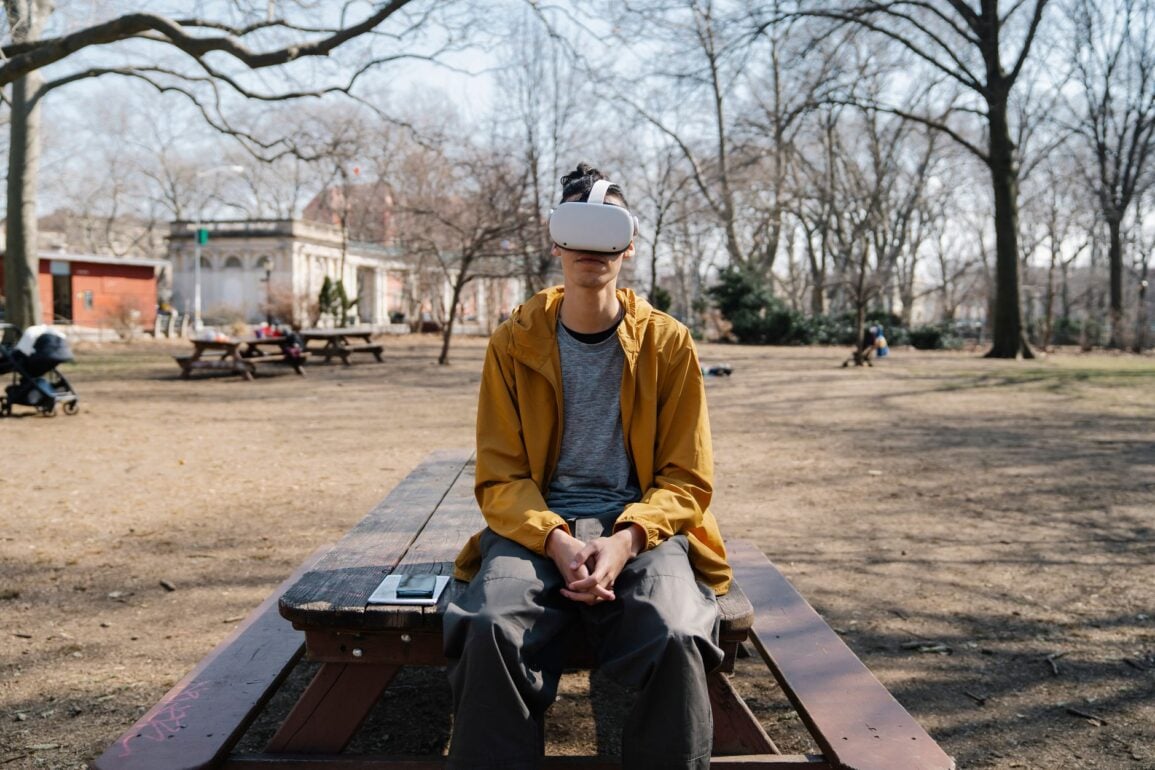
Travel has always been about exploration and discovery, but what if you could step into any moment in history without ever leaving your home? Virtual time travel experiences are transforming how we connect with the past, using cutting-edge technology to transport us to pivotal moments and forgotten civilizations. These immersive journeys allow history enthusiasts, curious learners, and adventure seekers to witness historical events, walk through ancient cities, and interact with reconstructed environments in ways that textbooks and museums simply cannot replicate.
Virtual reality has opened entirely new possibilities for historical exploration. Rather than reading about ancient Rome or the Renaissance, you can now virtually stand in the Colosseum during its heyday, walk the streets of medieval Florence, or witness key moments in human history as they unfolded. TimeRide offers expertly crafted virtual time travel experiences that combine historical accuracy with engaging storytelling, making the past feel immediate and tangible. These platforms employ historians, archaeologists, and digital artists to ensure that every detail—from architecture to clothing to language—reflects authentic historical periods.
Why Virtual Time Travel Matters for Modern Travelers
Traditional tourism often leaves visitors with surface-level understanding of historical sites. You walk through ruins and read plaques, but the context and drama of history remain distant. Virtual time travel bridges this gap by providing narrative context and sensory immersion. When you experience a historical moment in VR, you do not simply observe—you participate. You hear the sounds of ancient marketplaces, see the colors of historical periods before photography existed, and understand the scale of monuments in relation to human figures and daily life.
Education transforms when history becomes interactive. TimeRide experiences make historical learning unforgettable by letting users move through time periods rather than passively consuming information. This approach is especially powerful for younger travelers who retain information better through immersive, experiential learning than through traditional classroom methods.
How Modern VR Reconstructs Historical Environments
Creating historically accurate virtual environments requires meticulous research. Digital historians and archaeologists study architectural remains, historical documents, paintings, and archaeological findings to reconstruct how ancient cities, buildings, and landscapes actually looked. These reconstructions are then rendered in stunning detail using game engine technology, allowing visitors to explore environments with photorealistic quality.
The level of detail is remarkable. Streets have been recreated with period-appropriate market stalls, buildings sport authentic materials and construction methods, and even NPCs are dressed and positioned according to historical records. When you visit a virtual Roman forum, you are not wandering through a generic fantasy recreation—you are stepping into a carefully researched representation of how that space genuinely functioned during its time.
Popular Historical Periods in Virtual Time Travel
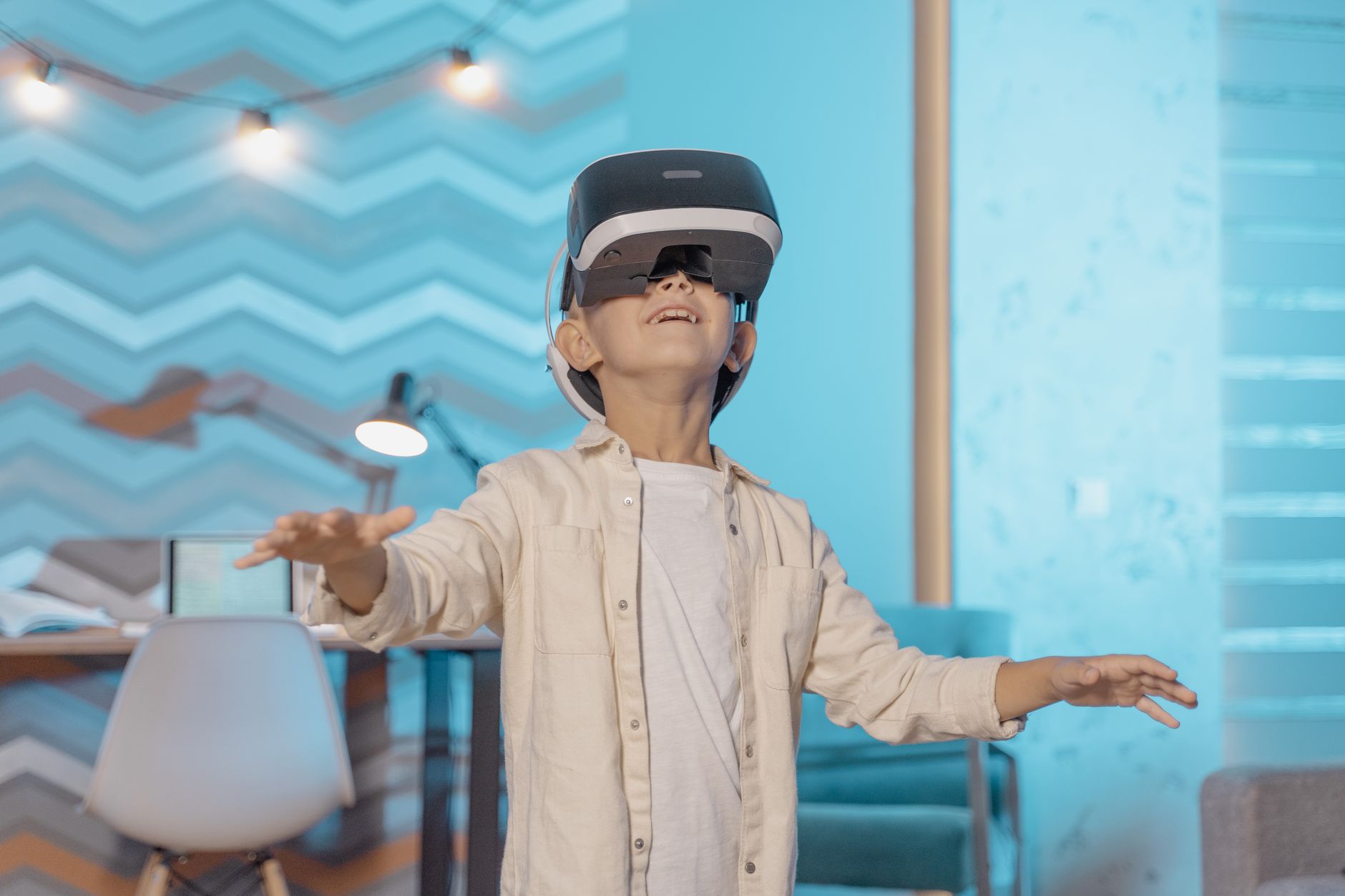
Certain historical eras have become particularly popular destinations for virtual time travel:
- Ancient Rome attracts users eager to witness gladiatorial games, navigate the Colosseum, and explore the political intrigue of the Senate.
- Medieval Europe draws history buffs interested in castle life, feudal systems, and the development of European cities during the Middle Ages.
- Renaissance Florence appeals to art enthusiasts and cultural historians who want to understand the birthplace of artistic genius and scientific advancement.
- Ancient Egypt captivates those curious about pyramid construction, pharaonic rule, and daily life along the Nile during different dynastic periods.
- Industrial Revolution London shows how technological change transformed urban landscapes and society during the 19th century.
The Technology Behind Immersive Time Travel
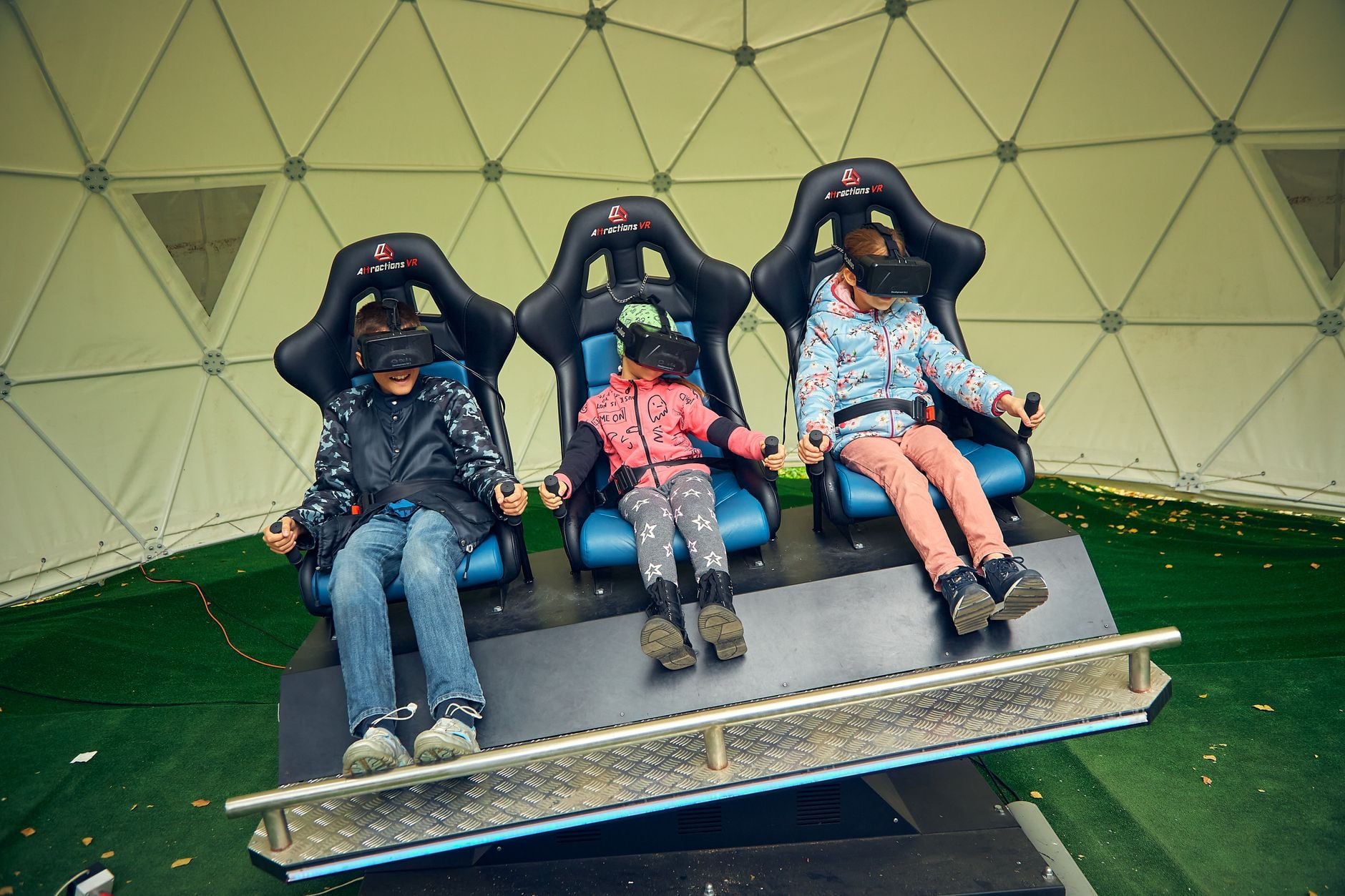
Modern VR platforms use spatial audio, haptic feedback, and full-body tracking to create complete sensory immersion. When you stand in a TimeRide virtual experience, you hear period-appropriate music and ambient sounds. Your movements are tracked, allowing you to walk naturally through environments. Some advanced installations even incorporate motion platforms that simulate the sensation of movement or environmental conditions.
Artificial intelligence is beginning to play a role in these experiences as well. AI-powered NPCs can interact with visitors in period-appropriate language and behavior, answer questions about historical periods, and respond dynamically to user actions. This creates narratives that feel less scripted and more like genuine historical tourism.
Accessibility and Inclusivity in Virtual Travel
One of the most compelling advantages of virtual time travel is its accessibility. People with mobility limitations can explore historical sites that might be physically difficult or impossible to visit in person. Families can experience history together regardless of geographic location. Schools in remote areas can provide students with access to world-class historical experiences without expensive field trips.
TimeRide and similar platforms democratize access to historical education, ensuring that economic circumstances or physical abilities do not prevent anyone from exploring the past. This represents a fundamental shift in how humanity preserves and shares its heritage with future generations.
The Future of Historical Exploration
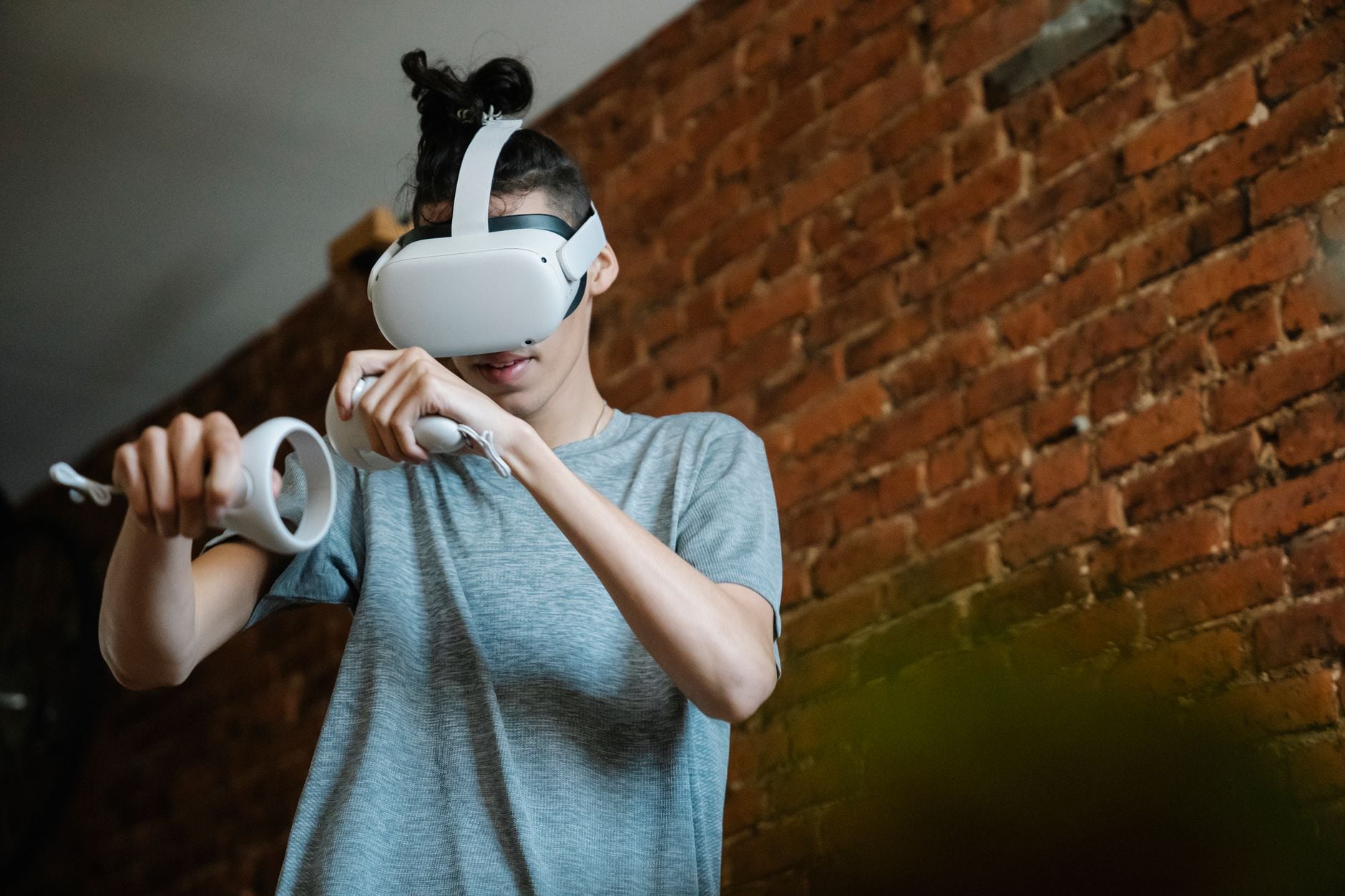
As VR technology continues to advance, virtual time travel will become increasingly sophisticated. Haptic suits may allow users to feel the temperature of ancient environments. Smell technology is being developed to recreate historical scents. AI will create dynamic narratives that respond to individual visitor choices, making each time travel experience unique.
Virtual archaeology is another frontier—researchers are using VR to explore and document historical sites, test theories about historical events, and preserve endangered cultural heritage in digital form. Platforms like TimeRide are pioneering this intersection of technology and historical preservation, ensuring that history remains accessible long into the future, even as physical sites deteriorate or become inaccessible.
Virtual time travel represents more than entertainment—it is education, preservation, and a new form of tourism all combined. Whether you are a history enthusiast, a curious learner, or someone seeking unique travel experiences, virtual time travel offers unprecedented opportunities to connect with humanity’s most significant moments.