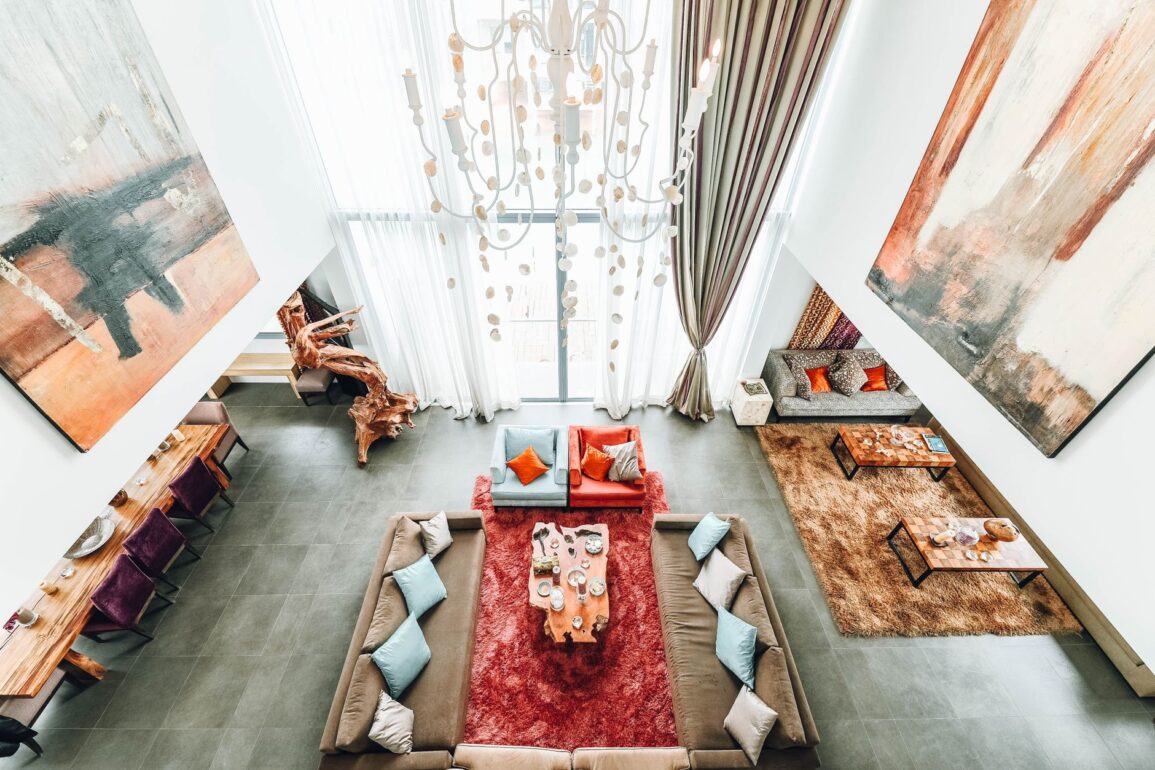
Paint represents one of the most powerful and cost-effective tools for transforming your living space. A single color choice can completely alter a room’s mood, perceived size, and overall atmosphere. Yet selecting the right paint color often feels overwhelming given the thousands of options available and the uncertainty about whether your choice will feel right in your actual space. Understanding how paint color works, what influences color perception, and how to evaluate options strategically removes this uncertainty and ensures you make confident choices. Dulux Decorator Centre offers expert guidance and an incredible range of colors to help you discover the perfect shade for your vision.
Understanding How Color Affects Mood and Space
Color psychology is the study of how different hues affect human emotions and perception. Warm colors like reds, oranges, and yellows create feelings of warmth, energy, and intimacy. These colors work beautifully in spaces designed for gathering and connection—living rooms, dining rooms, and kitchens. Cool colors like blues, greens, and purples promote calm, focus, and relaxation, making them ideal for bedrooms, bathrooms, and study spaces. Neutral colors including grays, beiges, and whites provide versatility and allow furniture and artwork to take center stage.
Beyond emotional impact, paint color affects how large or small a room appears. Light colors reflect light and make spaces feel larger and more open, while dark colors absorb light and create cozy, intimate atmospheres. If you have a small room that feels cramped, light paint colors can dramatically improve your perception of space. If you have a large, cavernous room that feels cold, warmer or darker tones add intimacy and comfort. Understanding these principles helps you select colors that solve actual problems in your space rather than simply choosing colors you like in isolation.
Testing Color Before Making Final Decisions

Professional decorators always test paint colors before committing to full room coverage. Dulux Decorator Centre provides sample pots that allow you to paint large swatches directly on your walls. This critical step reveals how colors look in your specific lighting—natural daylight, artificial lighting, and the angle of sun throughout the day all affect how paint color appears. A color that looks perfect in the store may disappoint in your home due to lighting differences.
Apply your paint samples to different walls in the room if possible, observing how morning, afternoon, and evening light affects them. Live with your samples for several days, viewing them under different lighting conditions. Pay attention not just to your initial reaction, but also whether the color continues to appeal to you after repeated exposure. Some colors feel energizing initially but become tiring; others grow more beautiful the more you see them. This testing phase, while taking time, prevents expensive mistakes and ensures satisfaction with your final choice.
Considering Undertones and Color Families

Every paint color contains undertones—subtle hints of other colors that influence how the primary color appears. A gray might have warm beige undertones, cool blue undertones, or neutral undertones. Warm whites may contain subtle hints of yellow or pink, while cool whites contain blue undertones. These undertones profoundly affect how colors work with your existing elements—furniture, flooring, and architectural features. If your wood flooring has warm, honey tones, choosing paint with warm undertones creates cohesion. If you prefer contrast, cool-toned paint against warm wood creates dynamic tension.
Within each color family, numerous shades exist. Blues range from soft powder blue to deep navy. Greens span from pale sage to rich forest green. Understanding these variations helps you select the specific shade that delivers your vision. Dulux Decorator Centre helps you navigate these choices with expert consultation and extensive color families that allow precise selection.
Coordinating Colors Across Your Home
Creating a cohesive aesthetic throughout your home requires thoughtful color coordination. This does not mean every room must be identical—in fact, variety creates interest and allows each space to serve its purpose. However, choosing a consistent color palette ensures rooms feel connected rather than chaotic. Consider selecting a primary neutral color that appears throughout your home, then choosing accent colors for individual rooms. This approach provides consistency while allowing personalization.
Many people choose warm neutral throughout their home—white, cream, or soft taupe—then add vibrant accents in individual rooms. Others prefer a consistent neutral with subtle variations. The key is ensuring transitions between spaces feel intentional rather than jarring. Standing in doorways between rooms helps you evaluate whether color transitions work visually.
Practical Considerations for Long-Term Satisfaction
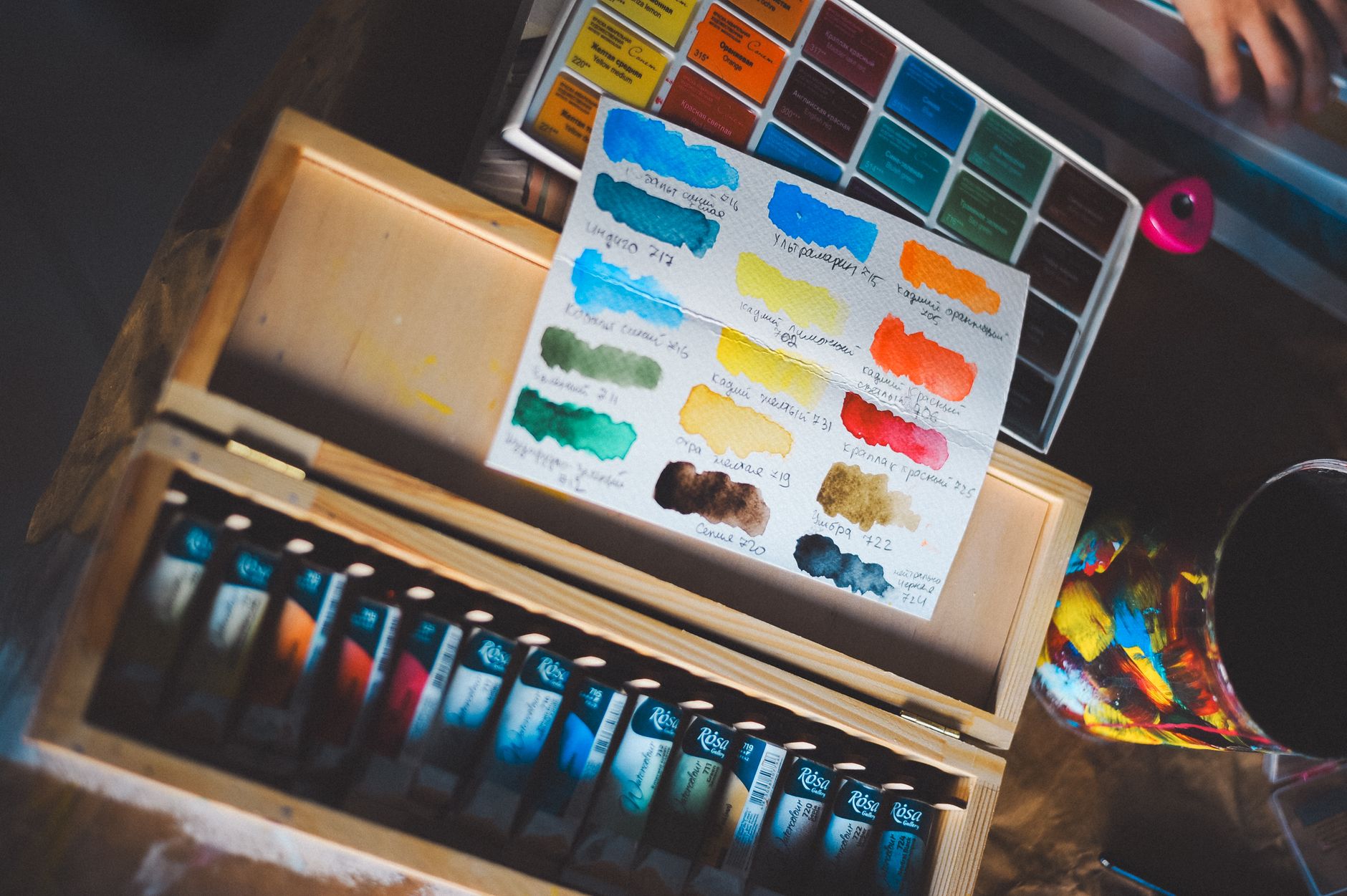
When selecting your final color, consider how it will age and maintain. Lighter colors show dust and marks more easily than darker tones. Glossy finishes highlight imperfections while flat finishes are more forgiving. In high-traffic areas, durability matters more than aesthetic perfection, so practical choices outweigh purely visual ones. Dulux Decorator Centre offers products in multiple finish options, allowing you to choose both your perfect color and the finish that works best for your specific room.
Consider whether your color choice will feel dated in five years or whether it will age gracefully. Trendy colors can be fun for accents but risky for large wall areas. Classic colors maintain their appeal indefinitely. If you love trendy colors, using them in easily updated areas—accent walls, feature rooms—allows you to refresh without repainting your entire home.
Creating Your Color Vision
Begin your color selection journey by gathering inspiration. Collect images of rooms whose colors appeal to you—from magazines, Instagram, design websites, or even rooms you have visited. Look for patterns in your selections. Do you gravitate toward warm or cool tones? Bold or subtle colors? Monochromatic schemes or multicolor combinations? Understanding your preferences helps you articulate what you want and communicate effectively with color consultants at Dulux Decorator Centre. With clear vision and expert guidance, your perfect color choice awaits.