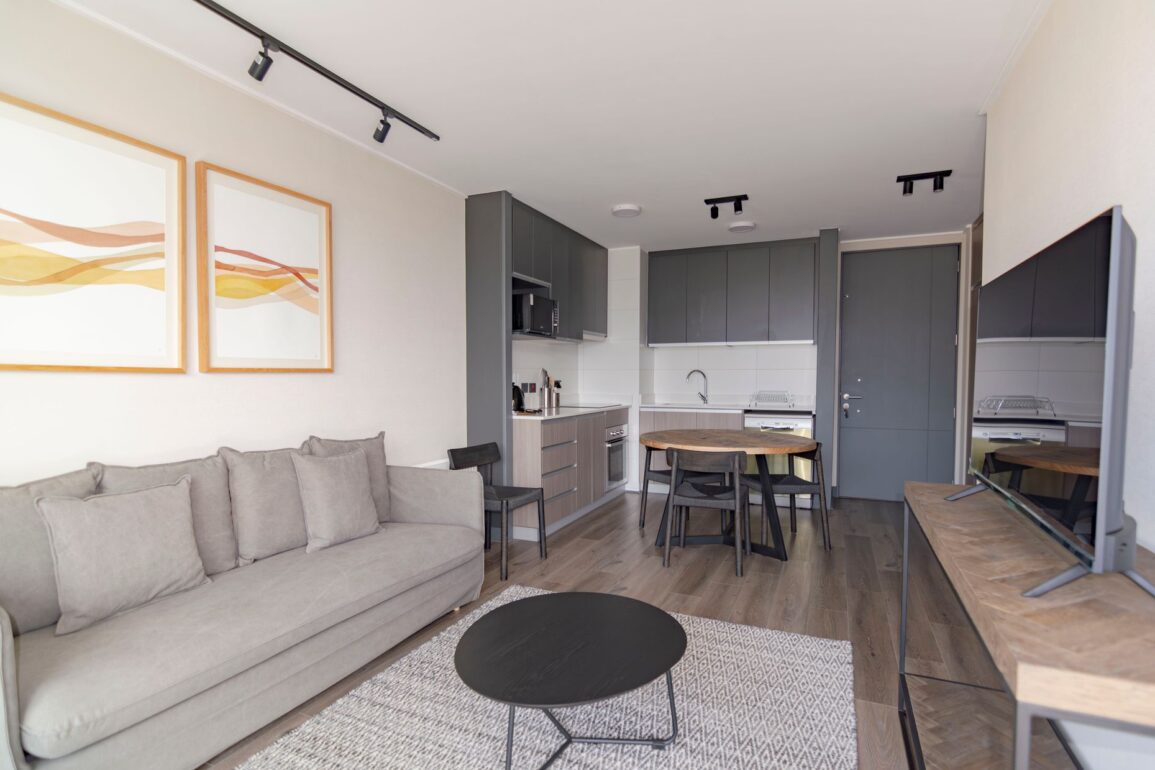
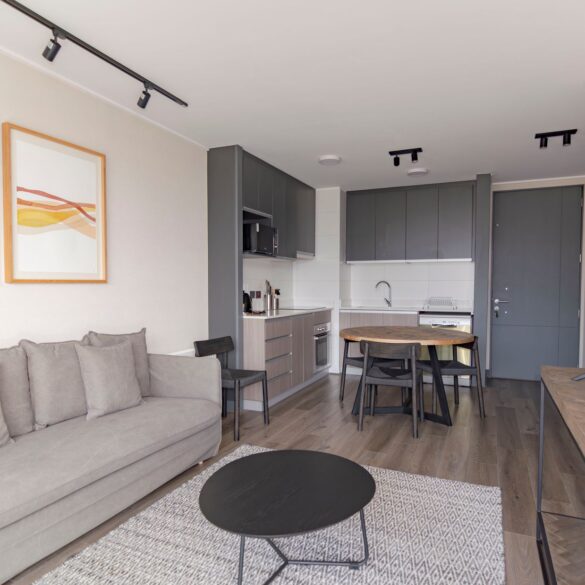
Living in a small apartment presents unique design challenges that require creative thinking and strategic furniture choices. Limited square footage demands that every piece serve multiple purposes while maintaining aesthetic appeal and comfort. The difference between a cramped, uncomfortable apartment and a spacious-feeling sanctuary often comes down to thoughtful furniture selection and smart spatial planning. With the right approach, even compact living spaces can feel organized, comfortable, and stylish.
The Power of Multi-Functional Furniture
Multi-functional furniture represents the cornerstone of successful small apartment design, allowing single pieces to serve multiple roles. Sofas with built-in storage provide seating while concealing blankets, pillows, or other items. Coffee tables with hidden compartments create surface space without adding visual bulk. Bed frames with integrated drawers maximize bedroom storage without requiring additional furniture. Murphy beds transform bedrooms into home offices, gyms, or guest rooms by folding away when not in use. Furniture collections designed for small spaces increasingly emphasize these multi-purpose features. Ottomans serve as footrests, seats, tables, and storage in a single piece. Desks that fold into walls create workspace only when needed. Wall-mounted tables disappear when not in use, freeing floor space for movement. This approach prevents the apartment from feeling cluttered despite limited room.
Compact Furniture Styles and Aesthetics
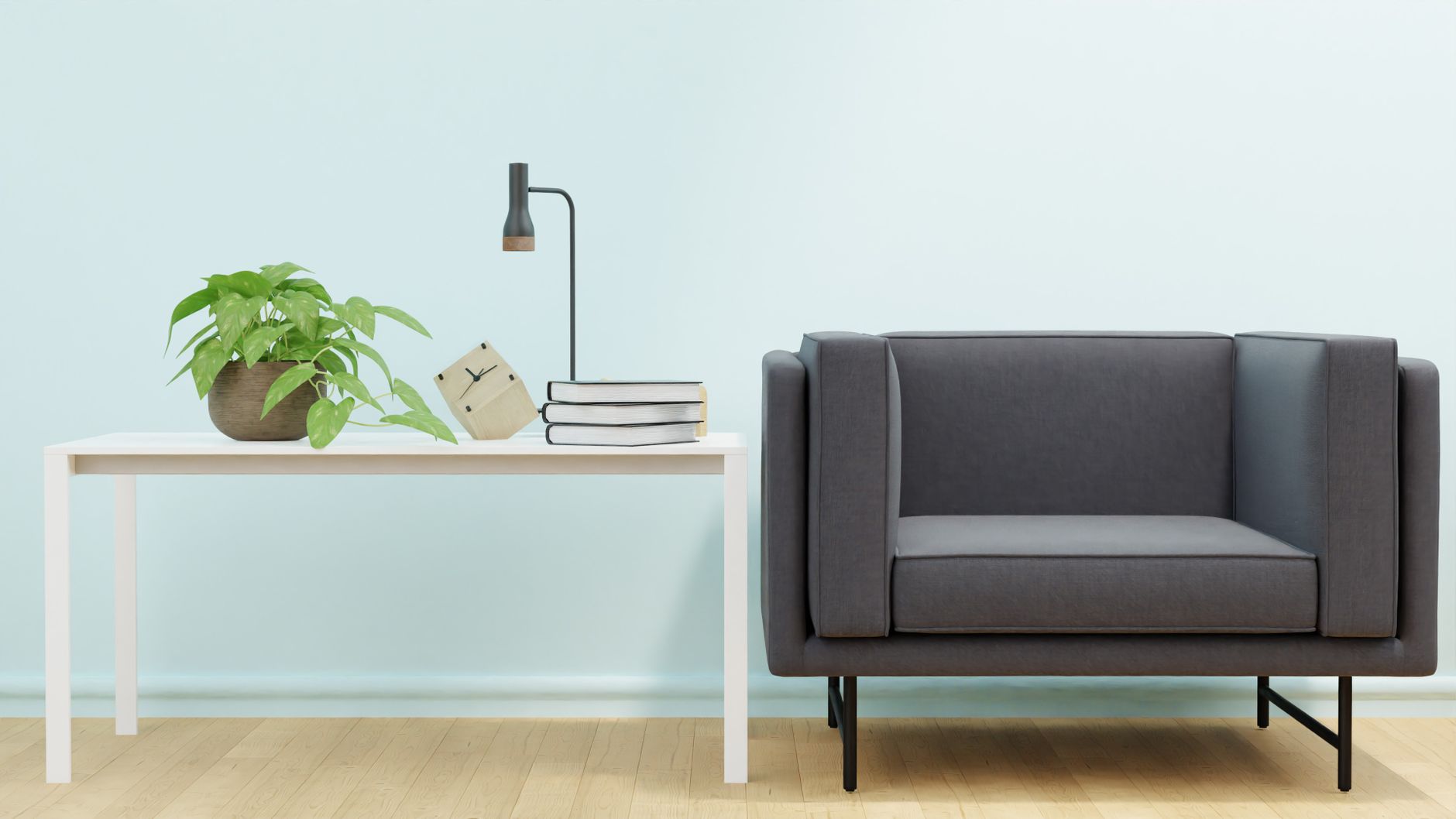
Selecting appropriately scaled furniture prevents small spaces from feeling cramped and overwhelming. Furniture with exposed legs creates visual lightness by allowing floor visibility beneath pieces. Transparent materials like glass and acrylic take up space functionally while maintaining sightlines and preventing visual weight accumulation. Modular seating allows customization to fit irregular spaces and future apartment layouts. Folding chairs and tables provide flexibility for entertaining without permanent space consumption. Contemporary furniture designs excel at combining style with spatial efficiency. Vertical storage cabinets draw the eye upward, emphasizing ceiling height rather than floor space limitations. Sleek, streamlined designs without ornamental details maintain clean sight lines that make spaces feel larger. Choosing a cohesive color palette throughout the apartment creates flow and prevents visual fragmentation. Corner furniture pieces maximize typically awkward areas that standard furniture ignores.
Smart Layout and Spatial Planning Techniques
How furniture arranges within a space dramatically impacts the perceived size and functionality of an apartment. Floating furniture away from walls creates room definition and movement flow, counterintuitively making small spaces feel larger. Creating distinct zones for sleeping, working, and living through strategic furniture placement organizes multiple functions within a single room. Keeping the floor space as clear as possible maintains sightlines and prevents a cluttered appearance. Anchoring the room with a larger statement piece then scaling down surrounding furniture creates visual balance. Wall-mounted furniture eliminates floor footprints while providing necessary functionality. Space-saving solutions from experienced retailers incorporate these design principles throughout their product offerings. Arranging seating pieces in conversation clusters enhances intimacy in large rooms and doesn’t waste space in small apartments. Positioning tall furniture against walls draws eyes vertically, emphasizing height rather than limited floor space. Traffic flow patterns should remain clear and intuitive, preventing the awkward maneuvering that makes small spaces feel restrictive.
Vertical Living and Upward Thinking
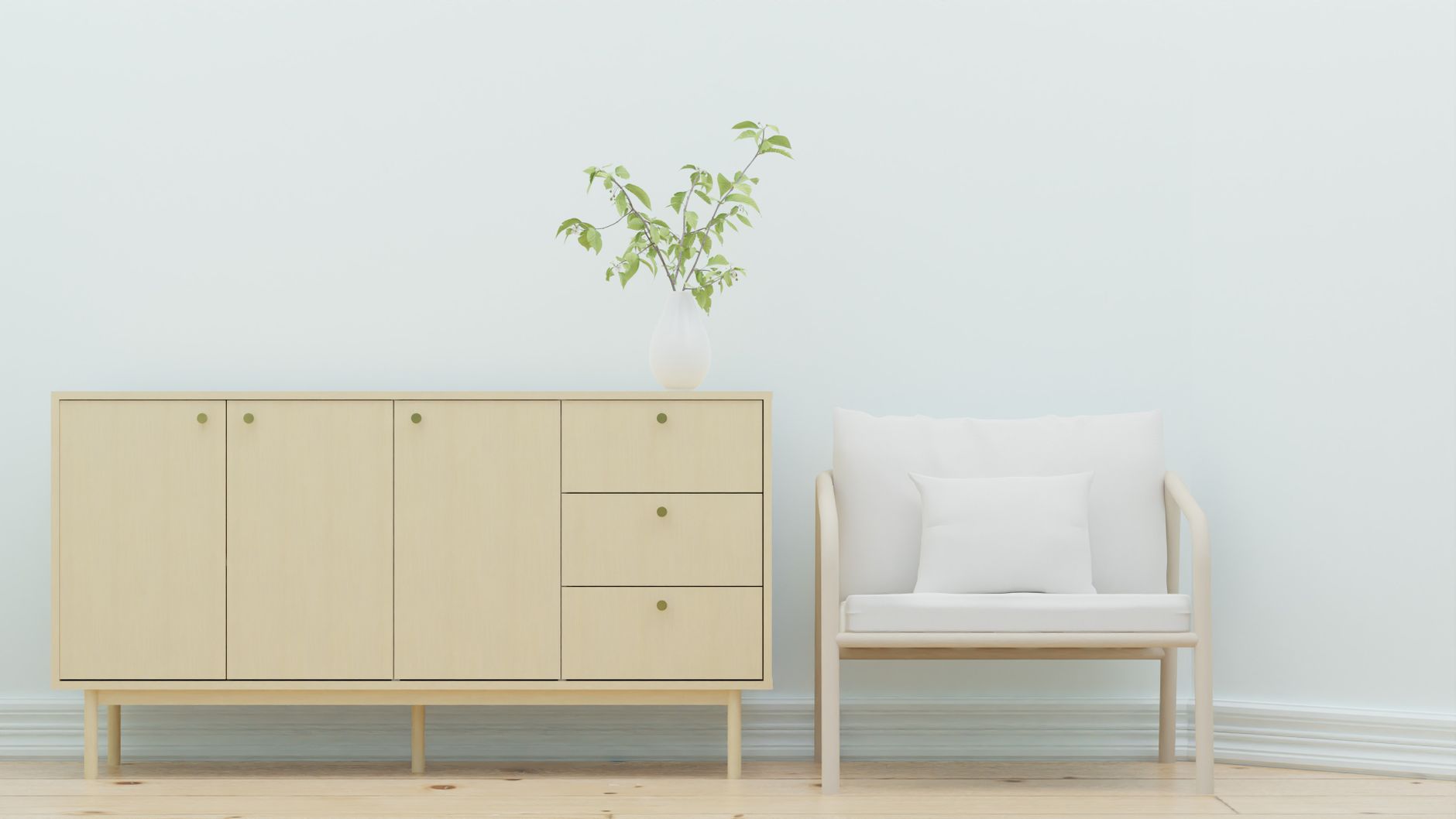
The walls and vertical surfaces in small apartments represent underutilized storage and display opportunities. Shelving systems that reach from floor to ceiling maximize wall space while drawing attention upward visually. Wall-mounted desks, nightstands, and tables eliminate bulky floor furniture. Hanging organizers, hooks, and pegboards store frequently used items accessibly without consuming desk or floor space. Vertical gardens and plant shelving add life and greenery while occupying only wall space. Tall, narrow bookcases fit efficiently into tight corners and beside windows. Vertical storage furniture solutions allow creative personalization while maintaining spatial efficiency. Lofted bed frames create usable space beneath for desks, seating, or additional storage. Hanging artwork and mirrors at varying heights create visual interest and expand perceived dimensions. Upper wall space often remains unused, yet it provides valuable real estate for shelving, storage, and display when thoughtfully utilized.
Integrated Storage and Hidden Capacity
Building storage directly into furniture design addresses a primary challenge of small apartment living without requiring additional pieces. Bed frames with integrated drawer systems maximize bedroom storage without occupying additional floor space. Headboards incorporating shelves provide bedside storage and display surfaces. Seating with lift-top designs or hidden compartments contain items invisibly. Dining tables with leaves and built-in storage transform easily for entertaining without permanent space consumption. Kitchen islands with drawers and shelves consolidate preparation space with storage efficiency. Integrated furniture pieces eliminate the need for standalone filing cabinets, bookshelves, and storage units. Under-stair storage utilizes often-wasted vertical transitions. Wall-to-wall built-in wardrobes maximize bedroom storage while maintaining clean sight lines. Medicine cabinets and mirrored storage above bathroom sinks consolidate essential items in compact footprints. This approach prevents the visual clutter that accumulates when storage furniture scattered throughout an apartment.
Creating Your Small Space Sanctuary
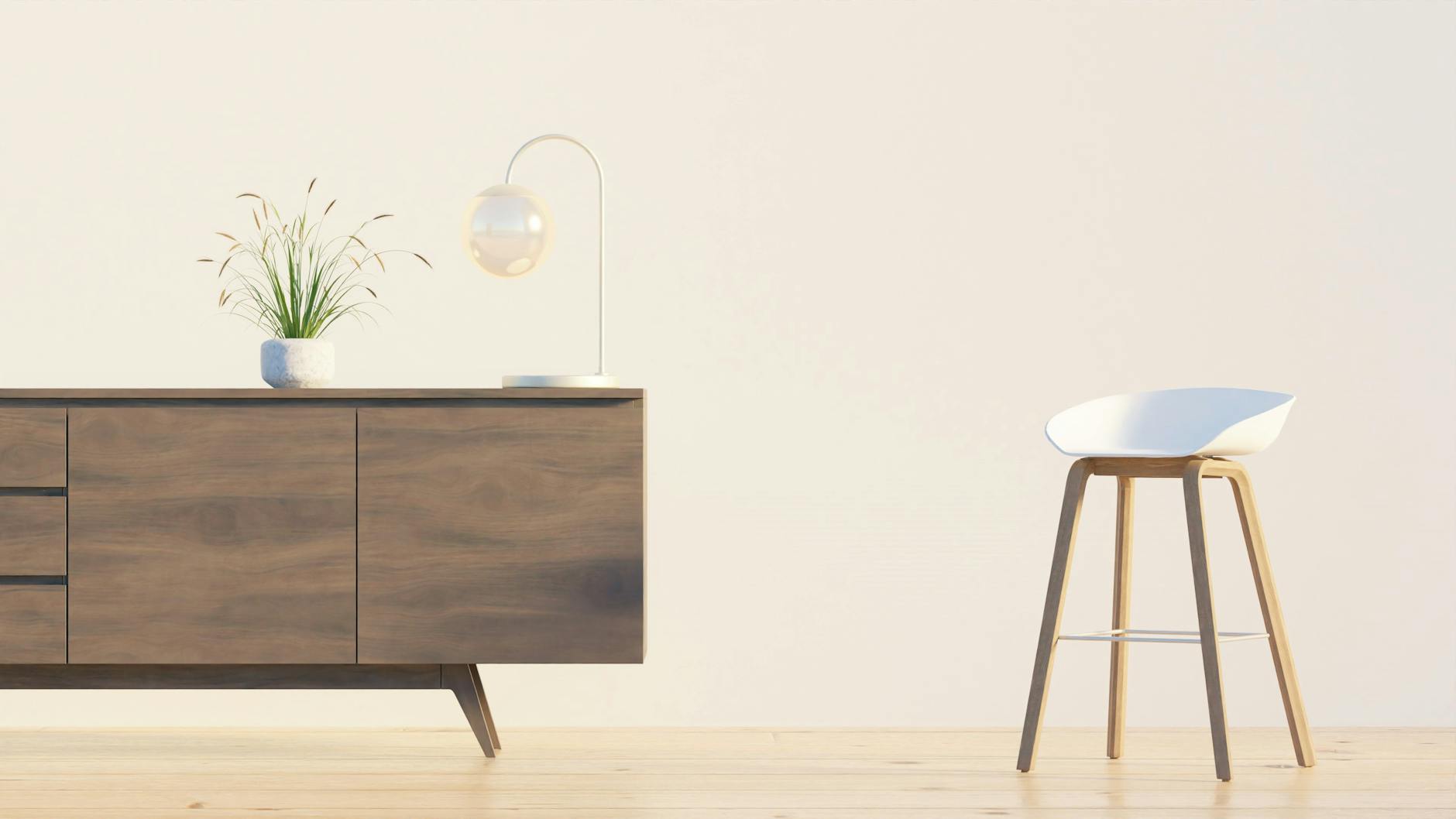
Transforming a small apartment into a comfortable, functional home requires cohesive planning that balances aesthetics with practicality. Consistent lighting from multiple sources eliminates shadows that make spaces feel smaller and more cramped. A light color palette for walls and larger furniture pieces enhances the sense of openness. Strategic use of area rugs defines spaces and adds warmth without overwhelming the apartment. Minimizing decorative items maintains visual clarity while allowing carefully chosen pieces to shine. Personal touches like photos, plants, and meaningful objects create coziness without clutter. Design-conscious furniture retailers offer curated selections specifically for apartment living. Window treatments that allow maximum light maintain the airy feeling essential to small space comfort. Smart storage ensures that daily essentials remain accessible without visible accumulation. Regular editing and refreshing of apartment contents prevents the gradual creep of clutter that diminishes small spaces.
Small Space Living Tips and Tactics
- Measure furniture against your apartment’s dimensions before purchasing to ensure appropriately scaled pieces.
- Use wall space aggressively for storage, display, and organization to free valuable floor area.
- Choose light colors and transparent materials to maintain visual openness and prevent a cramped feeling.
- Invest in multi-functional pieces that serve multiple purposes simultaneously.
- Keep pathways clear and establish traffic flow patterns to maximize perceived space and functionality.
Small apartment living no longer means sacrificing comfort, style, or functionality. Strategic furniture selection, smart spatial planning, and thoughtful design choices transform compact living spaces into welcoming sanctuaries. Embracing vertical thinking, multi-functional pieces, and integrated storage creates apartments that feel spacious, organized, and perfectly suited to modern urban living. The result is a home that makes every square foot count.