Beautiful homes don’t require expensive renovations or interior design consultants—they require thoughtful furniture and décor choices that balance aesthetics with functionality. Many homeowners believe creating beautiful interiors means compromising practicality, or conversely, that functional homes must sacrifice style. Contemporary home furnishings prove this false choice—elegant pieces combine visual appeal with superior functionality and durability. Creating stylish homes involves understanding your personal aesthetic preferences, selecting furniture that reflects your style while serving practical purposes, and arranging spaces thoughtfully. This guide reveals principles for creating homes that are simultaneously beautiful, functional, and personally meaningful.
Establishing Your Personal Aesthetic and Design Direction
Creating cohesive, beautiful home interiors begins with understanding your personal aesthetic preferences. Do you prefer minimalist simplicity or maximalist richness? Modern geometry or traditional warmth? Neutral palettes or bold color? Scandinavian functionality or bohemian eclecticism? Identifying your aesthetic direction prevents random furniture accumulation that creates discordant, uncomfortable spaces. Your aesthetic needn’t follow designer trends—authentically reflecting your preferences creates genuine beauty more powerful than following current fashions. Homes reflecting owners’ true aesthetics welcome visitors, inspire genuine conversation, and create comforting spaces where residents genuinely enjoy spending time. Design authenticity matters more than design trendiness.
Color Psychology and Creating Desired Atmospheric Effects
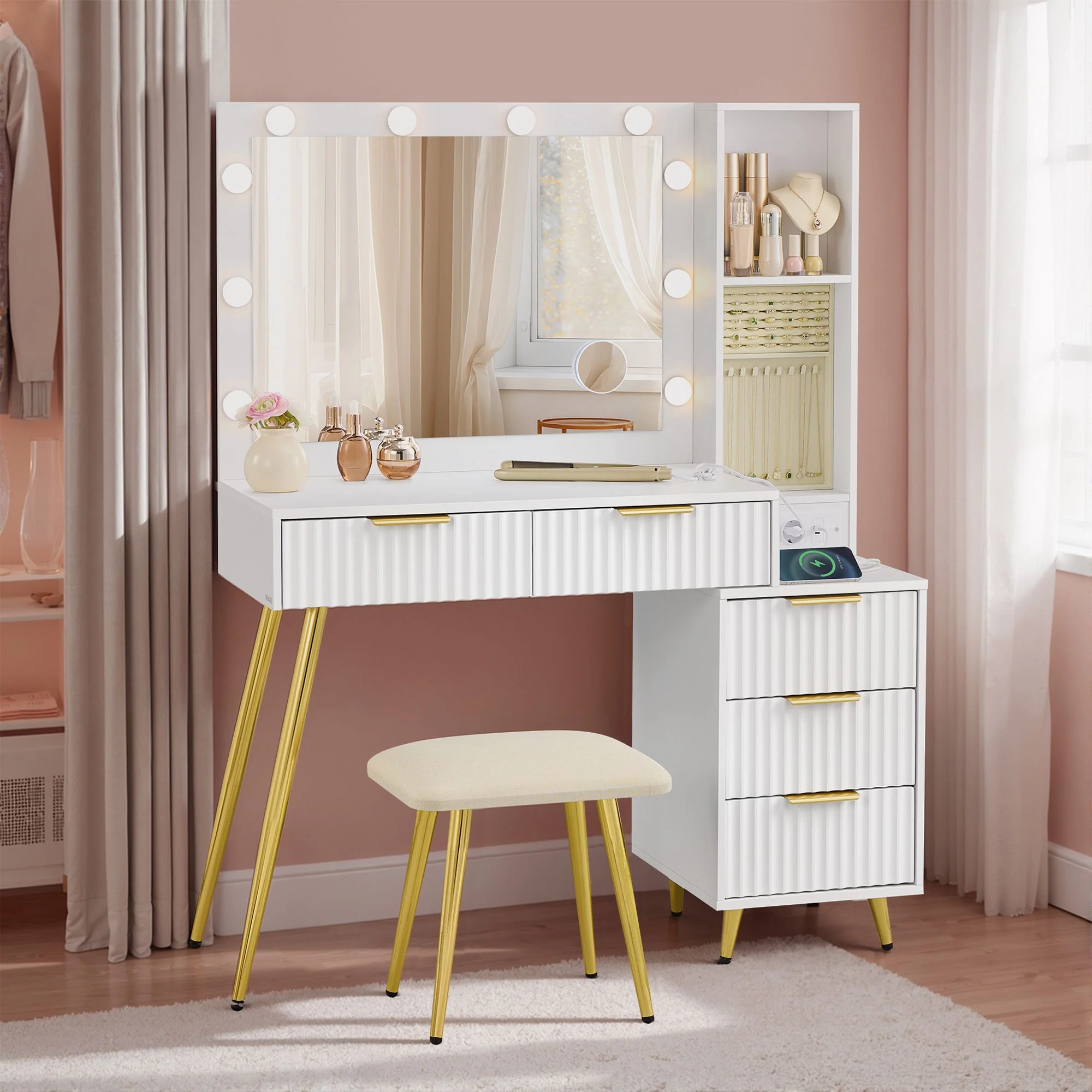
Colors profoundly influence mood and atmosphere. Cool blues and greens create calming, restful environments ideal for bedrooms. Warm neutrals provide welcoming comfort in living areas. Vibrant colors energize spaces and encourage activity. Strategic color choices create desired psychological effects throughout your home. Bedrooms benefit from calming palettes promoting restful sleep. Home offices benefit from colors that encourage focus and productivity. Kitchens benefit from warm, inviting colors that encourage family gathering and meal sharing. Understanding color psychology helps select paint, furniture, and décor that create desired atmospheres. Your home becomes a psychological sanctuary rather than arbitrary collection of items.
Proportion and Scale in Furniture Selection
Furniture proportion and scale dramatically impact how comfortable and beautiful spaces feel. Oversized furniture in small rooms creates cramped, uncomfortable environments. Delicate furniture in large rooms feels insignificant and creates empty-feeling spaces. Strategic furniture selection considers room dimensions, ceiling heights, and traffic patterns. Larger rooms accommodate substantial pieces and complex arrangements. Smaller rooms benefit from streamlined furniture with vertical emphasis. Ceiling height influences visual weight—vaulted ceilings accommodate taller, airier pieces while standard ceilings benefit from lower-profile options. Understanding proportion transforms spaces from uncomfortable to inviting through thoughtful furniture selection.
Texture and Material Choices for Visual Richness
Sophisticated interiors layer diverse textures and materials that create visual interest and tactile satisfaction. Smooth polished wood, soft upholstery, natural fibers, and metal accents work together to create richness. Leather provides sophistication and durability. Linen contributes organic warmth. Metal accents add contemporary edge. Stone surfaces provide tactile interest and visual weight. Texture variation prevents monotony while remaining cohesive when colors and styles coordinate thoughtfully. Running hands across varied textures creates sensory satisfaction that makes spaces feel genuine rather than sterile. Material diversity transforms visually flat spaces into inviting, interesting interiors.
Strategic Lighting That Enhances Both Function and Ambiance
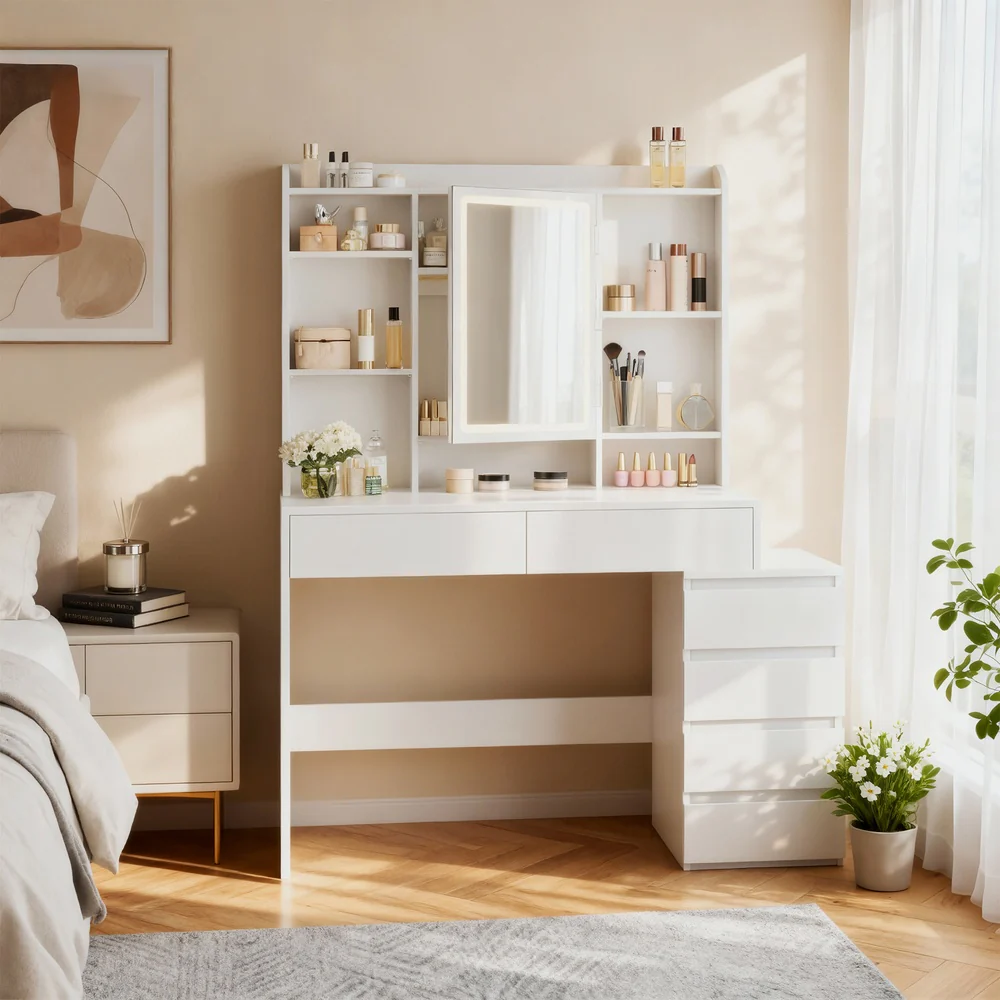
Lighting profoundly influences how spaces look and feel. Proper task lighting enables function—kitchen counters require bright, focused light for food preparation. Reading areas require appropriate-level lighting that reduces eye strain. Ambient lighting creates overall atmospheric effects—soft lighting encourages relaxation while bright lighting energizes. Layered lighting combining task, ambient, and accent light enables flexibility. Dimmer switches provide atmospheric control. Strategic fixture placement eliminates shadows and unpleasant glare. Beautiful lighting transforms spaces at night while enabling functional use. Investing in quality lighting infrastructure improves daily life more significantly than many residents realize.
Personal Accessories That Tell Your Story
Personal touches transform beautiful spaces into genuinely meaningful homes. Artwork, books, family photos, and decorative items reflecting your interests and experiences create spaces that feel authentically yours. Travel souvenirs, inherited treasures, handmade art, and meaningful gifts contribute personal narrative. Curated collections—vintage finds, art pieces, design objects—tell your story while creating visual interest. Overdecorating with random items creates cluttered chaos, but thoughtfully displayed personal accessories create beautiful, meaningful homes. Your home becomes a gallery displaying your life rather than impersonal showroom. Visitors experience your personality through space rather than reading descriptions.
- Identify and establish your personal aesthetic direction before making furniture decisions.
- Use color psychology strategically to create desired atmospheric effects in different rooms.
- Select furniture proportions and scale appropriate to room dimensions and ceiling height.
- Layer diverse textures and materials to create visual richness and tactile satisfaction.
- Implement strategic lighting that balances functional requirements with atmospheric effects.
Creating beautiful homes combines aesthetics, functionality, and personal meaning into cohesive environments that genuinely reflect your life and values. Through thoughtful aesthetic direction, strategic color and lighting choices, appropriate furniture proportions, textural richness, and personal accessories, any home becomes beautiful, functional, and authentically yours. Your home deserves to be beautiful—not for visitors’ impressions, but because genuinely beautiful environments improve daily life satisfaction and create genuine comfort.