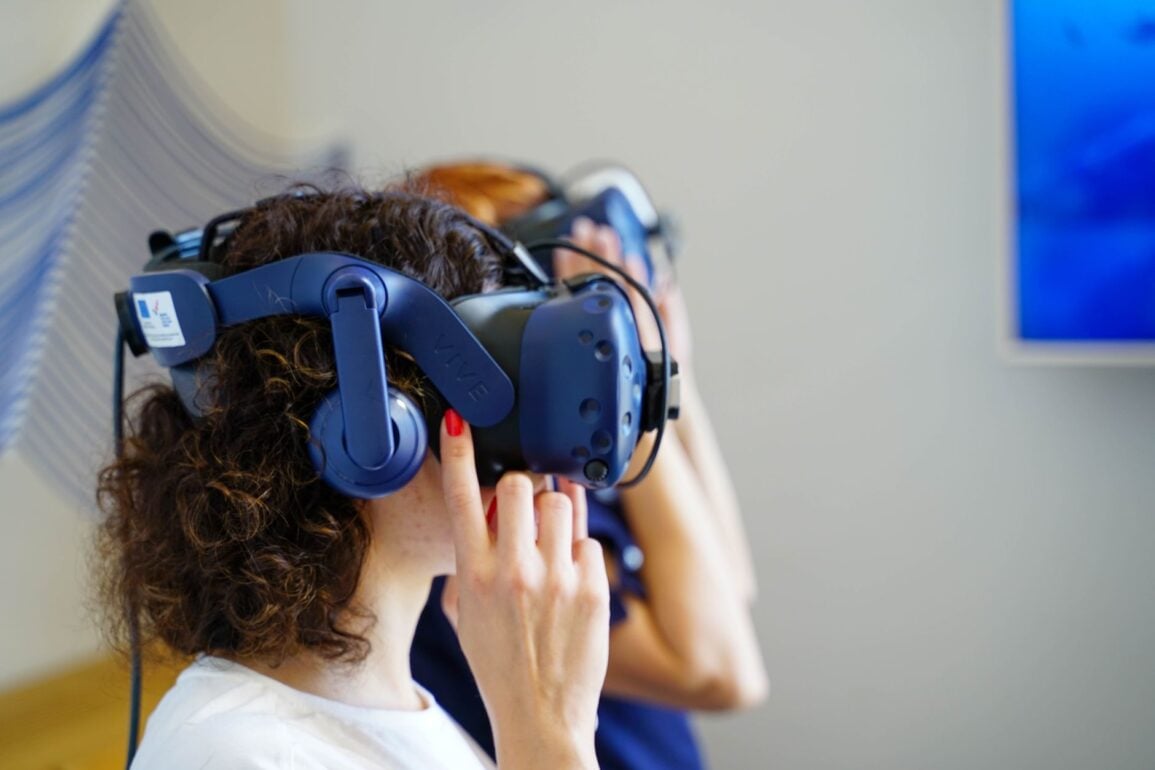
History comes alive in ways our ancestors could never imagine. Today’s virtual reality platforms are revolutionizing how we experience the past, offering immersive journeys that go far beyond museum exhibits and historical documentaries. For travelers who crave deeper understanding and more engaging encounters with history, virtual travel platforms provide unparalleled opportunities to witness ancient civilizations, stand in the presence of historical monuments, and understand how people actually lived in different eras. These platforms merge rigorous historical research with cutting-edge technology to create experiences that educate, inspire, and transform perspectives on human heritage.
The market for virtual historical experiences has exploded in recent years, with platforms offering everything from guided tours of ancient Rome to interactive journeys through Renaissance Italy. What distinguishes the best platforms is not just technical quality but also historical accuracy and narrative depth. TimeRide has emerged as a leader in this space, creating carefully researched historical experiences that combine entertainment with genuine educational value. Whether you are planning a family activity, seeking educational enrichment, or simply looking for a novel way to travel, understanding what makes these platforms effective is essential.
What Defines a Quality Virtual Historical Experience
Not all virtual history platforms are created equal. The best ones share several characteristics: meticulous historical research, professional-grade graphics, engaging narratives, and attention to sensory detail. When evaluating virtual travel platforms, consider whether the reconstructions are based on archaeological evidence and historical documentation or whether they take creative liberties for entertainment purposes. The most respected platforms employ historians on staff to ensure accuracy.
Immersion matters tremendously. High-resolution environments, spatial audio design, and responsive controls create the sensation of actually being present in historical spaces. TimeRide experiences demonstrate how professional production values enhance the educational impact of virtual historical journeys, making them feel substantial and memorable rather than superficial.
Platforms Specializing in Ancient Civilizations
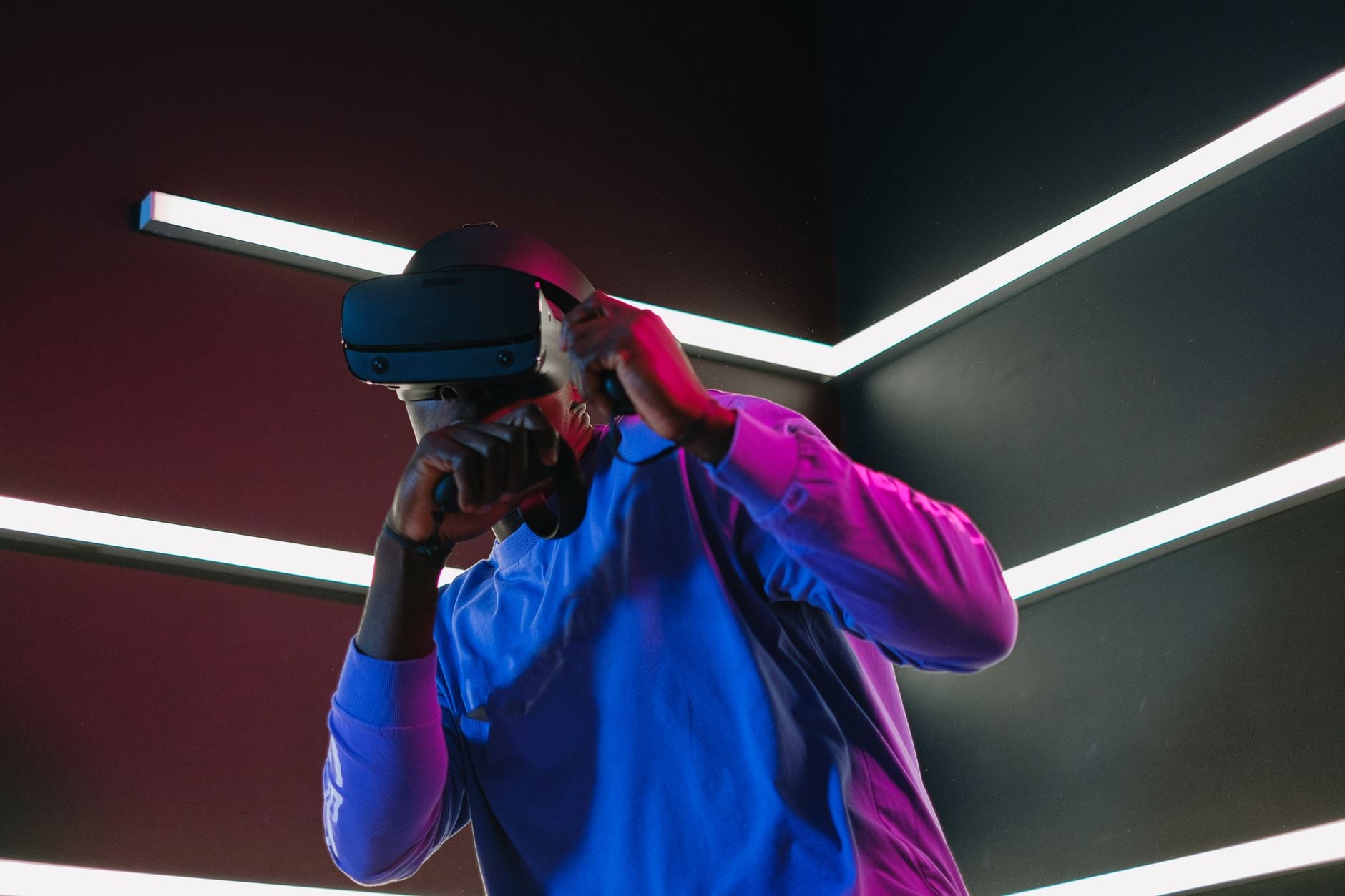
For those fascinated by ancient Rome, Egypt, Greece, and Mesopotamia, several platforms offer exceptional virtual experiences. These destinations attract millions of visitors annually, but virtual reconstructions allow you to experience them at their historical peak—something physical tourism cannot provide. You can visit the Colosseum during gladiatorial games, explore the Library of Alexandria before its destruction, or witness the construction of the Great Pyramids as it was happening.
The advantage of virtual ancient history is chronological flexibility. Museums show artifacts from different time periods alongside one another, but virtual platforms can transport you to specific moments, showing how the same location appeared across centuries. This temporal navigation provides context that physical sites cannot offer, helping visitors understand historical continuity and change.
Medieval and Renaissance Virtual Tourism
The Middle Ages and Renaissance periods hold enduring appeal for history enthusiasts and culture lovers. Medieval castles, cathedrals, and fortifications can be explored in their fully functioning state. Renaissance cities like Florence and Venice can be experienced during their golden age when they were centers of artistic and intellectual innovation. TimeRide offers particularly immersive Renaissance experiences that capture the artistic fervor, political complexity, and daily life of these transformative periods.
Medieval castles in virtual form often include populated environments—soldiers training, nobles conducting business, servants performing daily tasks. This context helps visitors understand how these structures functioned as living, working spaces rather than simply monumental ruins. Renaissance virtual tours frequently feature workshops where you can observe artists, architects, and craftspeople at work, providing insight into how revolutionary ideas were developed and executed.
Industrial Revolution and Modern History Experiences
Virtual history is not limited to ancient and medieval periods. Many platforms now offer experiences from the Industrial Revolution, exploring how technological advancement transformed society, labor, and urban environments. You can virtually visit industrial London, experience early factories, and understand the social changes that accompanied mechanization.
These modern-era experiences are particularly valuable because they connect visitors to more recent history whose impacts persist today. Understanding how people lived during rapid technological change provides perspective on our own era of digital transformation. Some platforms extend into the 20th century, offering virtual experiences of significant historical moments and periods.
Interactive Elements That Enhance Historical Learning
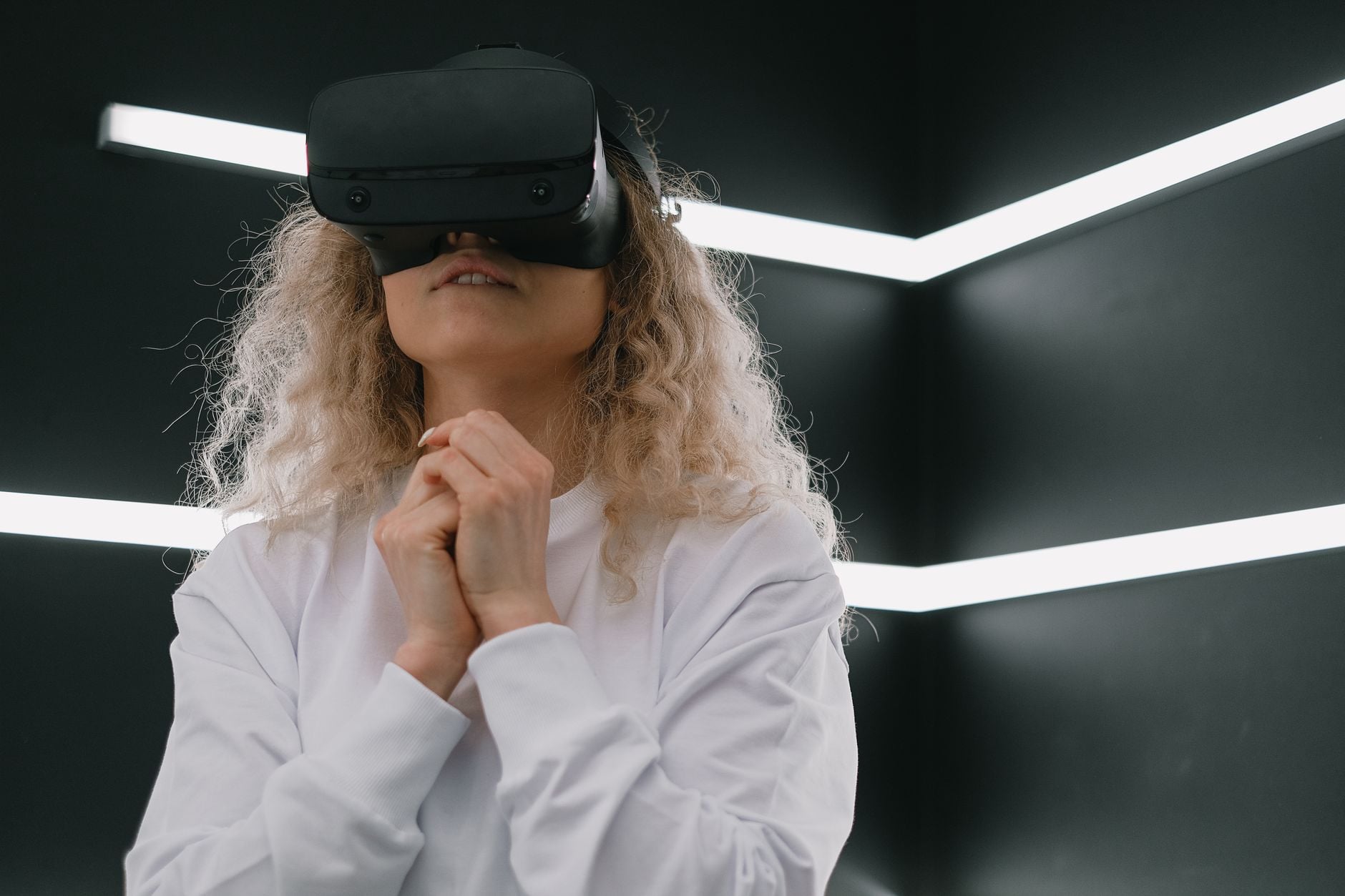
The best virtual travel platforms move beyond passive observation. Interactive features allow visitors to make choices, explore multiple areas, and uncover historical narratives through investigation. Some platforms include mini-games that teach historical skills—negotiating in ancient markets, solving construction engineering problems, or understanding period-appropriate crafts.
TimeRide incorporates narrative depth and interactive decision-making that transforms virtual tourism from passive viewing into active participation. This approach significantly improves retention and understanding of historical concepts, making virtual history platforms effective educational tools as well as entertainment.
Accessibility and Practical Considerations
Quality virtual history platforms offer flexible access options. Some are location-based experiences requiring visits to VR centers or museums equipped with high-end hardware. Others are available through home VR systems accessible to anyone with appropriate equipment. The most inclusive platforms offer scaled versions optimized for different technology levels, ensuring that technical limitations do not prevent people from accessing historical experiences.
Cost varies significantly. Some platforms charge per experience, others operate on subscription models, and many museums offer virtual history experiences as part of admission. TimeRide provides options suitable for different budgets and preferences, from casual virtual tourism to comprehensive historical deep-dives.
The Educational Impact of Virtual Historical Immersion
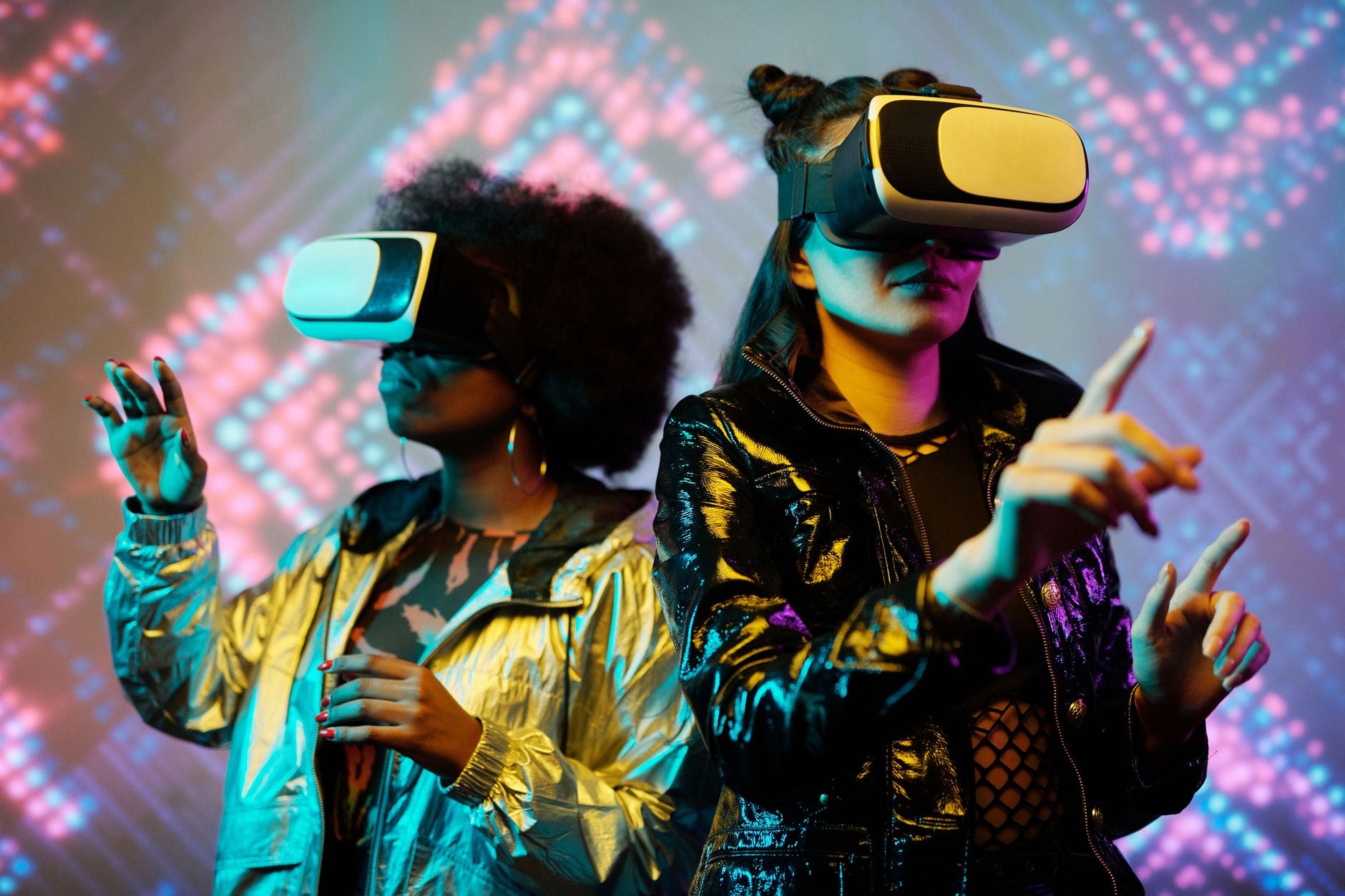
Research demonstrates that immersive experiences improve historical understanding and retention compared to traditional learning methods. Students exposed to virtual historical environments demonstrate better comprehension of spatial relationships, more nuanced understanding of historical complexity, and greater engagement with historical subjects. Teachers increasingly incorporate virtual history platforms into curricula, recognizing their power to make abstract historical concepts concrete and memorable.
Virtual history is democratizing access to world-class historical education, making it available to students regardless of geographic location or economic circumstances. As these platforms improve and become more widespread, they will play an increasingly important role in how humanity preserves, understands, and transmits knowledge about its shared past.