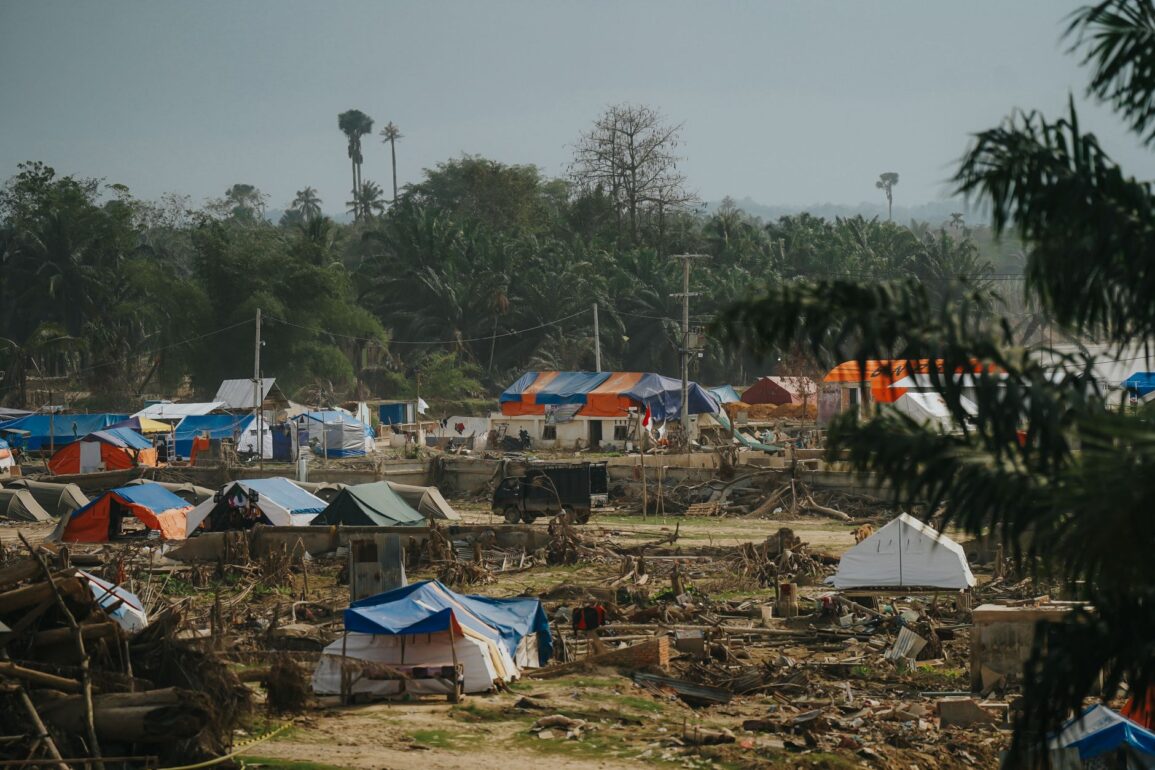
Humanitarian crises unfold across the world with devastating regularity—natural disasters displacing millions, conflicts forcing families from their homes, famines threatening children’s survival. The scale of these crises can feel paralyzing, leading many compassionate people to withdraw rather than engage. Yet humanitarian organizations demonstrate daily that collective action, sustained commitment, and strategic assistance dramatically reduce suffering. Understanding the nature of global crises, recognizing how your help addresses root causes, and learning about effective response pathways empowers you to become part of the solution. Muslim Aid exemplifies this approach, working directly in affected communities to provide immediate relief while building long-term capacity for resilience.
The Nature of Modern Humanitarian Crises
Today’s humanitarian emergencies rarely arise from single causes. Conflicts force people from their homes while destroying infrastructure, creating cascading crises of displacement, hunger, disease, and trauma simultaneously. Natural disasters hit communities already vulnerable from poverty, limited healthcare, and inadequate infrastructure—a combination that transforms weather events into catastrophes. Famines result from drought combined with conflict, poverty, and lack of agricultural development. Understanding these interconnected causes helps you recognize why effective response requires multifaceted approaches.
Muslim Aid addresses humanitarian crises by working across these dimensions. They respond to immediate emergency needs—food, shelter, medical care—while simultaneously supporting longer-term recovery. They provide not just aid but also support for rebuilding, healthcare infrastructure development, and education programs that break cycles of poverty and vulnerability. This comprehensive approach recognizes that sustainable change requires both immediate compassion and strategic long-term commitment.
Vulnerable Populations: Understanding Who Suffers Most
Humanitarian crises disproportionately impact the world’s most vulnerable populations—people living in poverty lack resources to prepare for or survive emergencies. Children face particular vulnerability, lacking physical reserves and emotional capacity to process trauma. Women often face heightened risks during crises, from gender-based violence to limited access to shelter and healthcare. Elderly people and people with disabilities struggle to access aid and often face abandonment. Understanding these vulnerabilities helps you appreciate why humanitarian organizations prioritize reaching these groups.
When you support Muslim Aid, your contribution ensures that vulnerable populations receive priority assistance. The organization specifically focuses on protecting and serving those most at risk, recognizing that their survival depends on coordinated humanitarian response. This targeted approach maximizes impact by ensuring help reaches those facing greatest danger.
Emergency Response: The Critical First Hours and Days
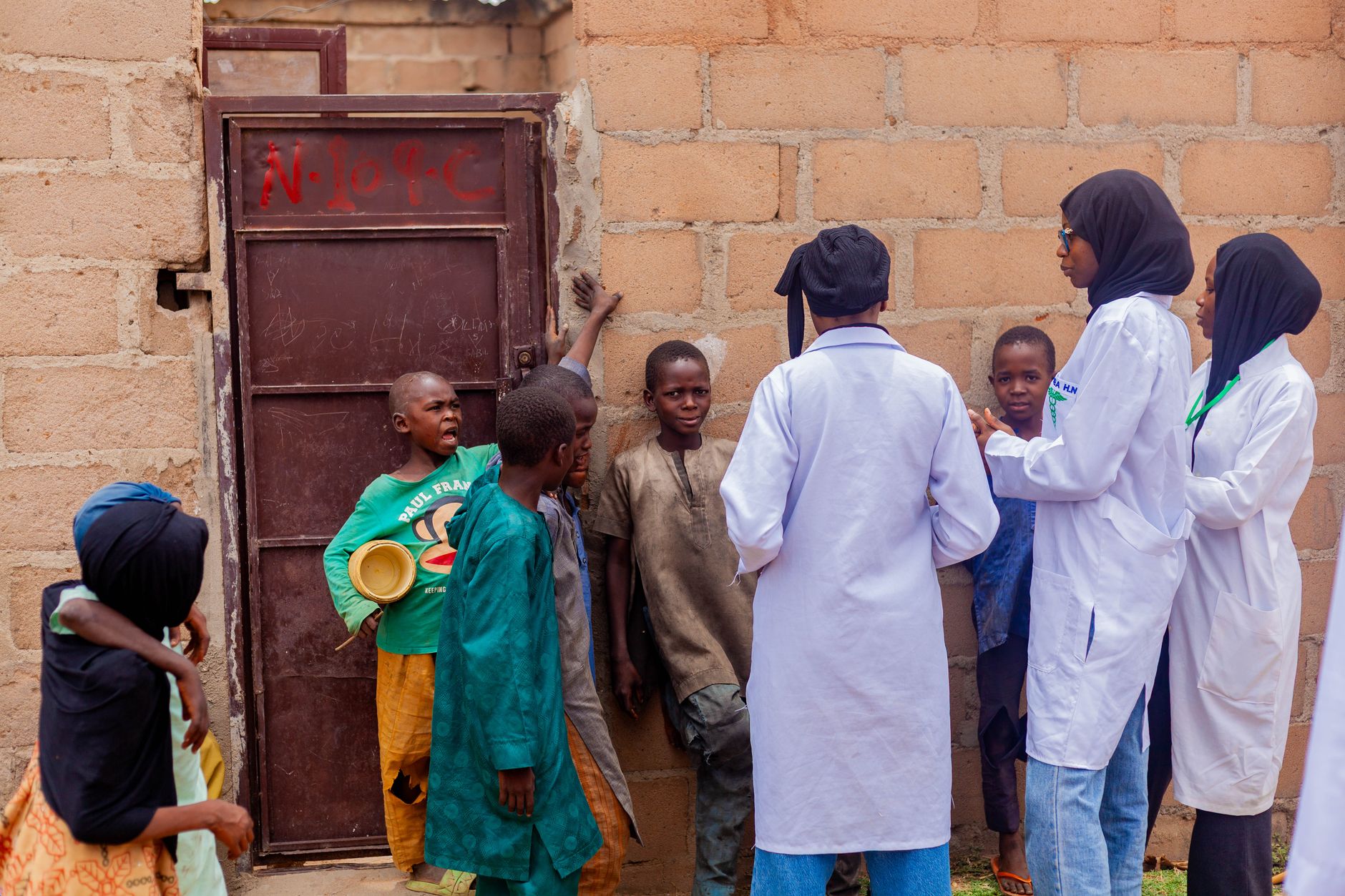
When disasters strike, the first hours and days determine survival rates and recovery trajectories. Rapid response prevents deaths from untreated injuries, provides clean water preventing disease outbreaks, and delivers food to those facing immediate starvation. Organizations like Muslim Aid maintain emergency response capacity precisely to address these critical first moments. They pre-position supplies, train response teams, and maintain networks allowing rapid deployment when crises emerge.
Your support for established humanitarian organizations ensures this emergency capacity exists and remains ready. By maintaining relationships with communities and infrastructure in vulnerable regions, organizations can respond faster than new initiatives could. This preparation saves lives during the crucial early crisis period when survival rates are highest and intervention most effective.
Healthcare and Disease Prevention in Crisis Settings
Humanitarian crises create conditions where disease spreads rapidly—displaced populations with limited sanitation, waterborne illness from contaminated water sources, malnutrition weakening immune systems, and inadequate healthcare access. Cholera, typhoid, malaria, and respiratory infections kill many crisis survivors indirectly despite initial survival of the primary emergency. Humanitarian organizations address these secondary crises through healthcare provision, vaccination programs, sanitation improvement, and health education.
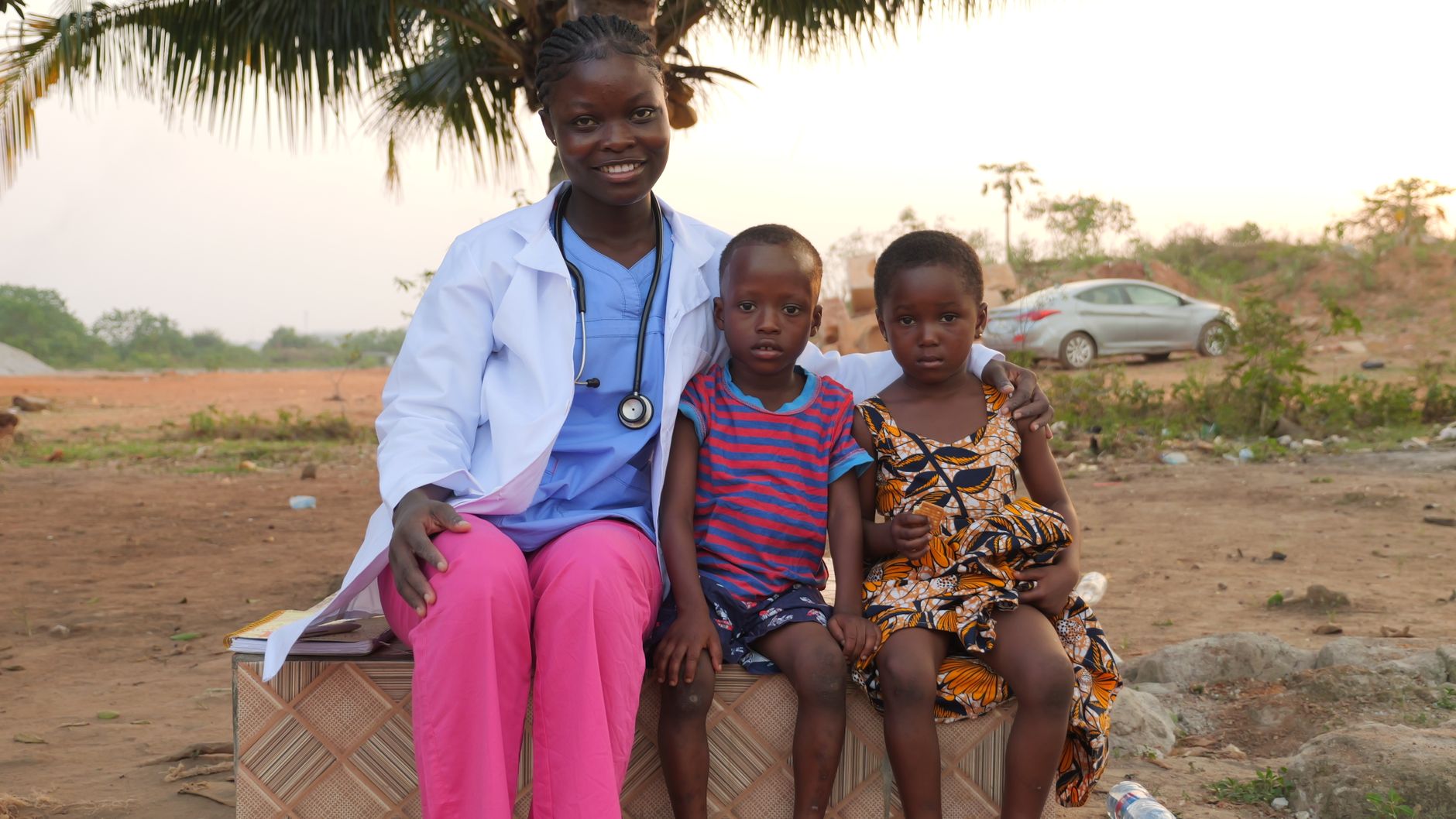
Muslim Aid focuses significantly on healthcare access and disease prevention. They deploy medical personnel, supply clinics and hospitals, provide vaccinations, and educate communities about hygiene and health practices. This multifaceted health approach prevents the secondary wave of deaths that often exceeds direct crisis casualties.
Education: Breaking Cycles of Poverty and Vulnerability
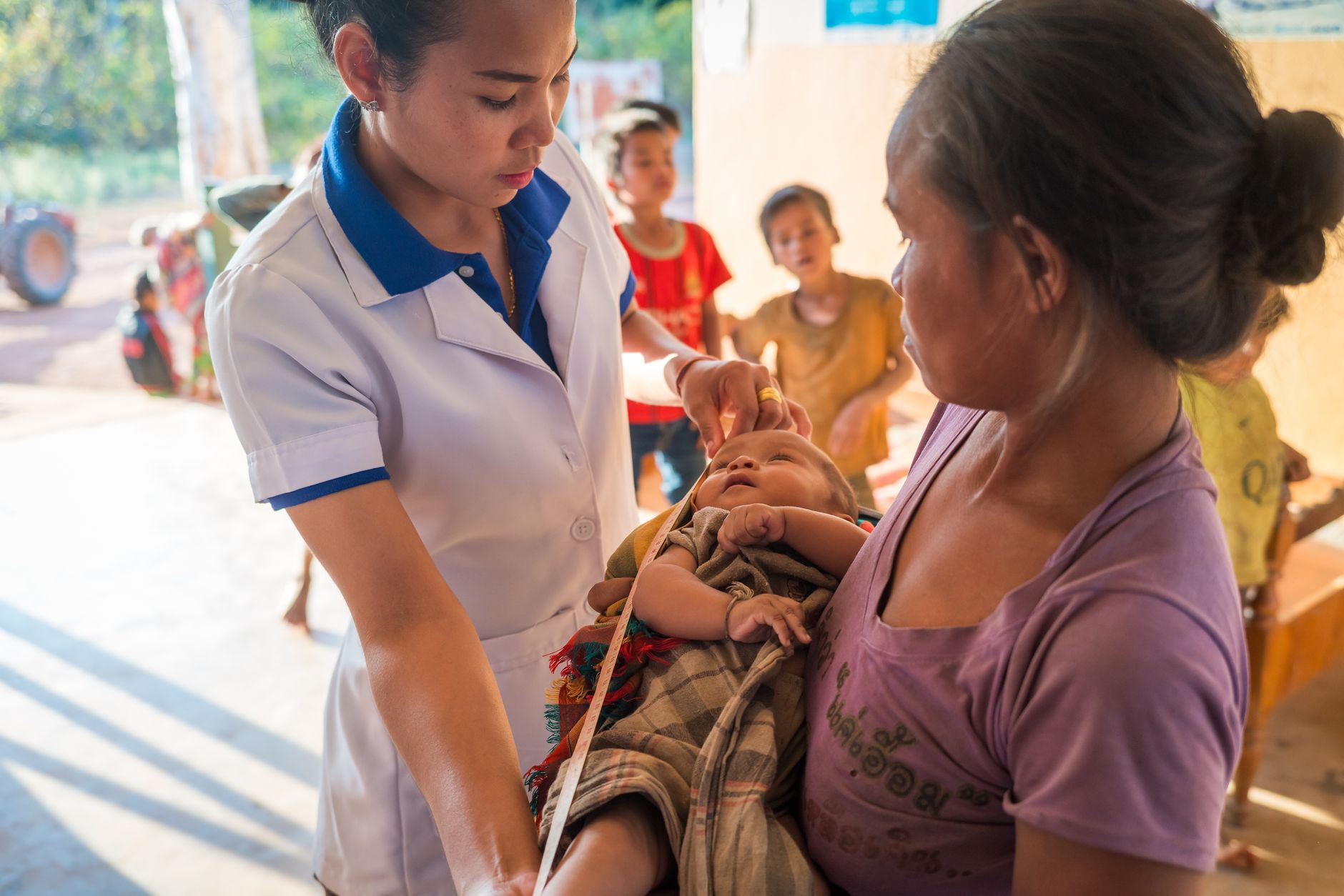
Humanitarian crises often disrupt education for years, affecting children’s development and future opportunities. Yet education during and after crises proves powerfully protective and transformative. Education provides structure and normalcy for traumatized children, protecting mental health. It equips people with knowledge to address health challenges, practice better agriculture, and access economic opportunity. Education is both immediate humanitarian response and long-term development investment.
Muslim Aid supports education programs in affected communities, recognizing that vulnerable children need educational access precisely when crises make it most difficult. Supporting education means supporting children’s recovery, families’ futures, and communities’ long-term resilience.
Supporting Refugees and Displaced Persons
Humanitarian crises force millions into displacement—people fleeing violence, escaping drought, or searching for livelihood opportunities. Refugee camps and displacement settlements face enormous challenges: overcrowding, limited resources, health risks, security threats, and psychological trauma. Humanitarian organizations provide essential services in these contexts—shelter, food, healthcare, education, and protection from exploitation and violence.
Supporting organizations like Muslim Aid means supporting displaced people with dignity and hope. Your contribution ensures that refugees and displaced persons receive not just survival resources but also services supporting psychological recovery, skill development, and community rebuilding.
Building Resilience and Long-Term Recovery
True humanitarian response extends beyond emergency rescue to support communities in rebuilding and becoming resilient to future crises. This means supporting agricultural development that creates food security, water infrastructure preventing drought vulnerability, healthcare systems detecting disease early, education preparing people for economic opportunity, and social structures supporting mutual aid and recovery. Muslim Aid emphasizes this resilience-building approach, recognizing that sustainable change requires long-term commitment.
When you give to organizations supporting long-term development, you address root causes of vulnerability. Your contribution helps communities become stronger, more capable of weathering future challenges, and positioned for genuine improvement in quality of life.
Becoming Part of the Global Community Response
Humanitarian crises remind us of our shared humanity and interconnected global community. Supporting humanitarian organizations connects you to this community of compassion stretching across borders and cultures. Whether crises affect distant countries or your local region, your commitment to humanitarian response positions you as part of humanity’s collective effort to reduce suffering and honor dignity.
You can support humanitarian response through Muslim Aid or other organizations aligned with your values. Whether through donations, volunteering your skills, or advocating for humanitarian priorities, your engagement matters. Together, we build a world where crises trigger compassionate, coordinated response rather than overwhelming despair.