

Beyond traditional dogs and cats, many people share homes with diverse animals—reptiles, birds, small mammals, aquatic creatures—requiring highly specialized care. These exotic pets differ fundamentally from conventional pets, with unique habitat, nutritional, environmental, and behavioral needs. Providing appropriate care requires understanding species-specific requirements, creating suitable environments, sourcing proper nutrition, and finding veterinarians with exotic animal expertise. Rather than attempting to keep exotic animals in standard pet environments, responsible ownership means creating environments supporting natural behaviors and enabling wellbeing. Understanding exotic pet requirements proves essential before acquiring these animals, enabling providing genuinely appropriate care. Miscota supports exotic pet care through specialized supplies and resources enabling proper environments. Learning exotic pet requirements helps you provide appropriate care for unique companions.
Understanding Exotic Pet Diversity and Individual Needs
Exotic pets encompass tremendous diversity—reptiles with distinct temperature, humidity, and habitat requirements; birds with complex social and environmental needs; small mammals with specialized housing and dietary needs; aquatic creatures with specific water chemistry and environmental requirements. Each animal class contains multiple species with different needs. Corn snakes differ from ball pythons; cockatiels differ from budgerigars; rabbits differ from guinea pigs; goldfish differ from tropical fish. Assuming generic exotic care applies to all species proves dangerous, resulting in stressed, unhealthy animals. Responsible ownership begins with thorough species-specific research before acquiring animals, ensuring you can provide appropriate care.
This research should include lifespan information—some exotic pets live decades—ensuring commitment to long-term care.
Habitat and Environmental Requirements
Many exotic pets require highly specialized environments. Reptiles typically need temperature gradients—warm basking areas and cooler zones enabling thermoregulation. Humidity-dependent species need specific moisture levels; too-dry or too-humid environments cause serious health problems. Lighting matters profoundly—many reptiles require UVB lighting enabling calcium absorption and preventing disease. Aquatic species require appropriate tank sizes, water chemistry, filtration, and temperature control. Avian species need spacious cages enabling flight or climbing, multiple perches, and enrichment activities preventing behavioral problems. Creating these environments proves expensive and requires ongoing maintenance, yet these investments directly impact animal health and wellbeing.
Improper environments cause chronic stress, disease, shortened lifespans, and behavioral problems. Conversely, appropriate environments enable animals thriving, living long healthy lives, displaying natural behaviors.
Specialized Nutrition and Feeding
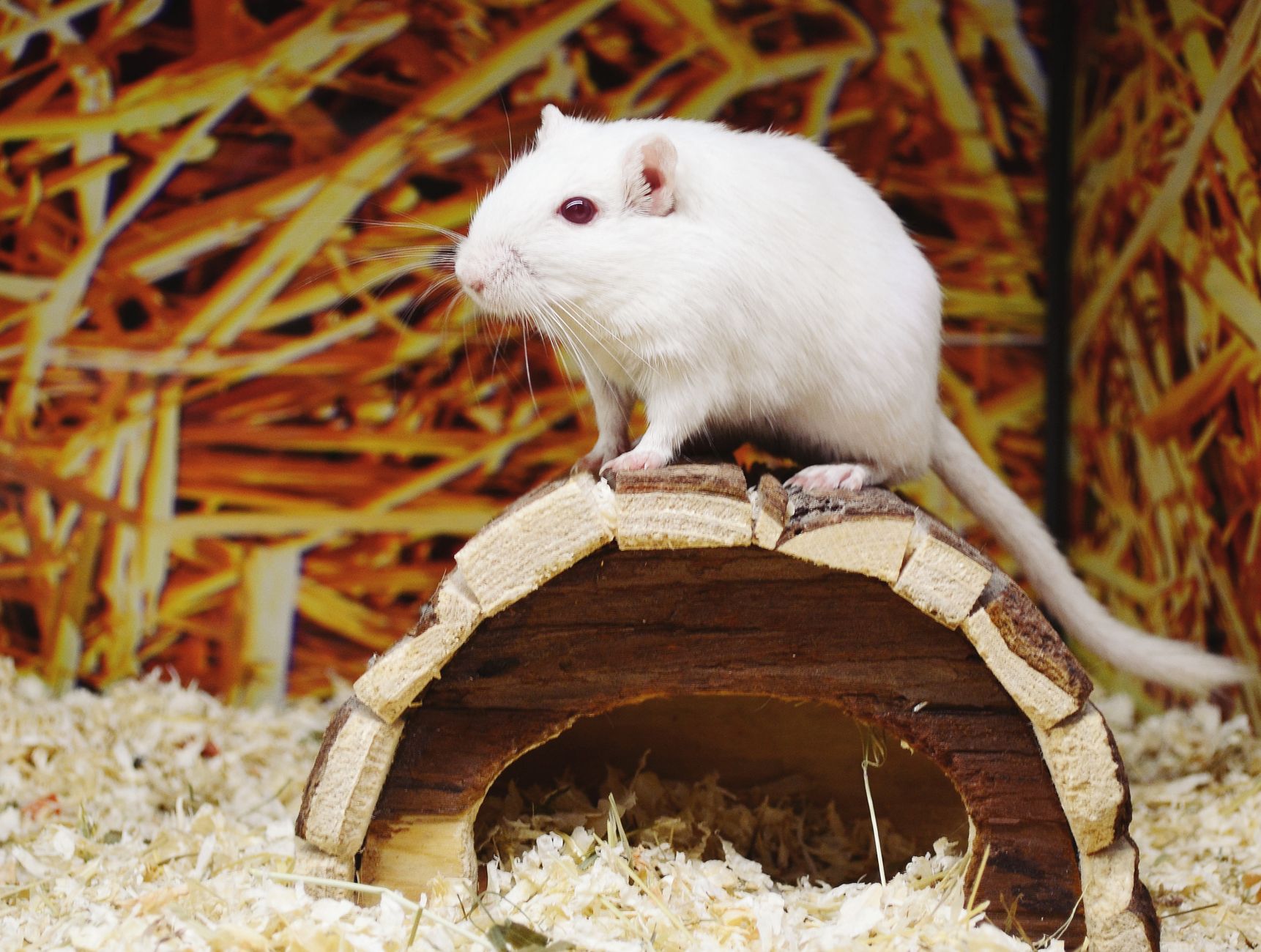
Exotic pets have diverse dietary needs unlike common pet nutrition. Many reptiles require live prey, which creates ethical considerations and practical challenges. Some require specific insect species only. Birds require varied diet including specialized pellets, fresh produce, and specific supplements. Small mammals require hay, specific vegetables, limited grains. Aquatic creatures have varying dietary needs—some carnivorous, some omnivorous, some specifically herbivorous. Learning species-specific nutrition proves essential, as improper feeding causes serious health problems. Generic “small animal” or “exotic” nutrition often proves inadequate, resulting in nutritional deficiencies.
Dietary research should include supplementation needs—many exotic pets require specific vitamin or mineral supplements preventing diseases like metabolic bone disease.
Finding and Working with Exotic Animal Veterinarians
Exotic animals require specialized veterinary care. Regular vets often lack expertise with exotic species, unable to recognize problems or treat appropriately. Finding vets experienced with your specific species proves essential. Before acquiring exotic animals, locate available exotic animal veterinarians, understanding their experience with your desired species. This advance planning ensures access to appropriate care should problems emerge. Quality exotic animal care proves more expensive than common pet care, yet these costs represent necessary investment in responsible ownership.
Establishing relationships with exotic vets before emergencies occur enables faster, better emergency care when needed.
Behavioral and Enrichment Needs

Exotic animals have behavioral needs beyond mere survival. Birds require complex environmental enrichment preventing psychological problems. Reptiles benefit from appropriate climbing structures and hiding places. Small mammals need space enabling natural foraging and burrowing. Aquatic creatures need tank structures supporting natural behaviors. Providing these enrichments prevents stress-related behavioral and health problems. Enrichment also enables observing natural behaviors, increasing enjoyment of keeping animals.
Understanding natural behaviors guides enrichment decisions—creating environments supporting activities animals perform naturally rather than imposing unnatural constraints.
Legal and Ethical Considerations
Some animals carry legal restrictions—certain species require permits, others are illegal to keep. Endangered species have legal protections. Understanding legal status before acquiring animals prevents legal problems. Beyond legality, ethical considerations matter—wild-caught animals often experience high stress and mortality; captive-bred alternatives prove more appropriate. Considering whether animals adapt well to captivity—some species never adjust, experiencing chronic stress—ensures ethical ownership.
Responsible exotic pet ownership includes respecting legal frameworks and considering animal welfare beyond personal desires.
Social and Behavioral Considerations
Some animals are naturally solitary, others social. Some require human interaction, others require minimal handling. Understanding these dimensions ensures good fits between animals and owners. Animals naturally solitary suffer stress from extensive handling. Social animals suffer without appropriate interaction. Matching animal temperaments and social needs with owner expectations prevents frustration and animal suffering.
Supporting Exotic Pet Health and Wellbeing
Exotic pet ownership requires commitment to learning species-specific requirements, creating appropriate environments, sourcing proper nutrition, finding specialized veterinary care. While challenging and expensive, proper exotic pet care enables sharing home with remarkable animals living full, healthy lives. Through dedicated preparation, specialized resources like those from Miscota, and genuine commitment to animal wellbeing, you provide exotic pets the specialized care they require, enabling thriving relationships with unique companions.