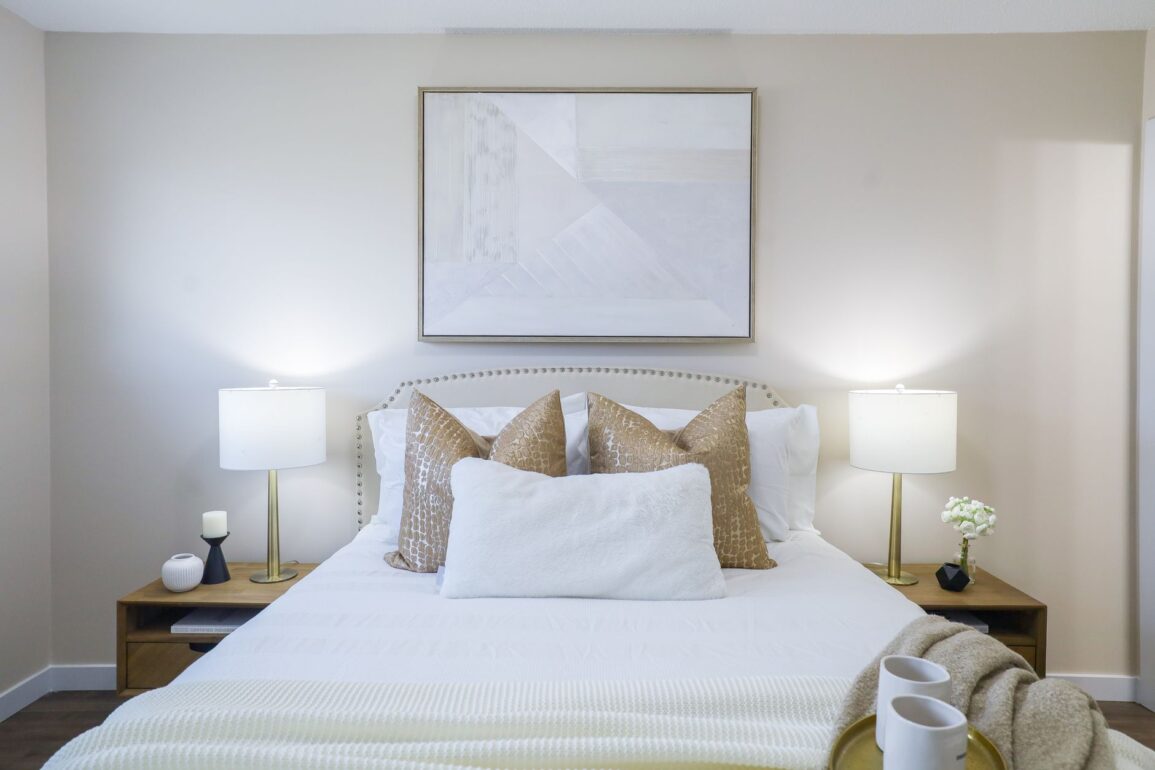
Your living environment profoundly influences daily wellbeing, mood, productivity, and satisfaction. Yet many people accept whatever homes they inherit, never considering how intentional design could transform spaces. Creating beautiful, functional homes requires understanding basic design principles, assessing personal needs and aesthetics, making thoughtful selections, and arranging spaces intentionally. The result—homes that look beautiful, function effectively, and genuinely reflect inhabitants’ values and lifestyles—proves worth the effort. Understanding design fundamentals enables creating spaces where you thrive rather than merely exist. Nature Wall supports interior design through quality pieces enabling space transformation. Learning design principles helps you create homes you genuinely love.
Understanding Design Principles and Harmony
Successful interiors balance multiple design principles. Balance distributes visual weight, preventing lopsided feeling. Emphasis creates focal points drawing attention. Rhythm uses repetition and patterns creating visual flow. Proportion ensures furniture and elements scale appropriately. Color harmony creates pleasing visual relationships. Understanding these principles provides framework for design decisions. Rather than random selection, applying principles ensures cohesive, harmonious spaces. Learning these fundamentals accelerates design capability compared to trial-and-error approach.
Successful designers constantly apply these principles, even unconsciously. Understanding principles enables replicating their success in personal spaces.
Assessing Personal Needs and Lifestyle
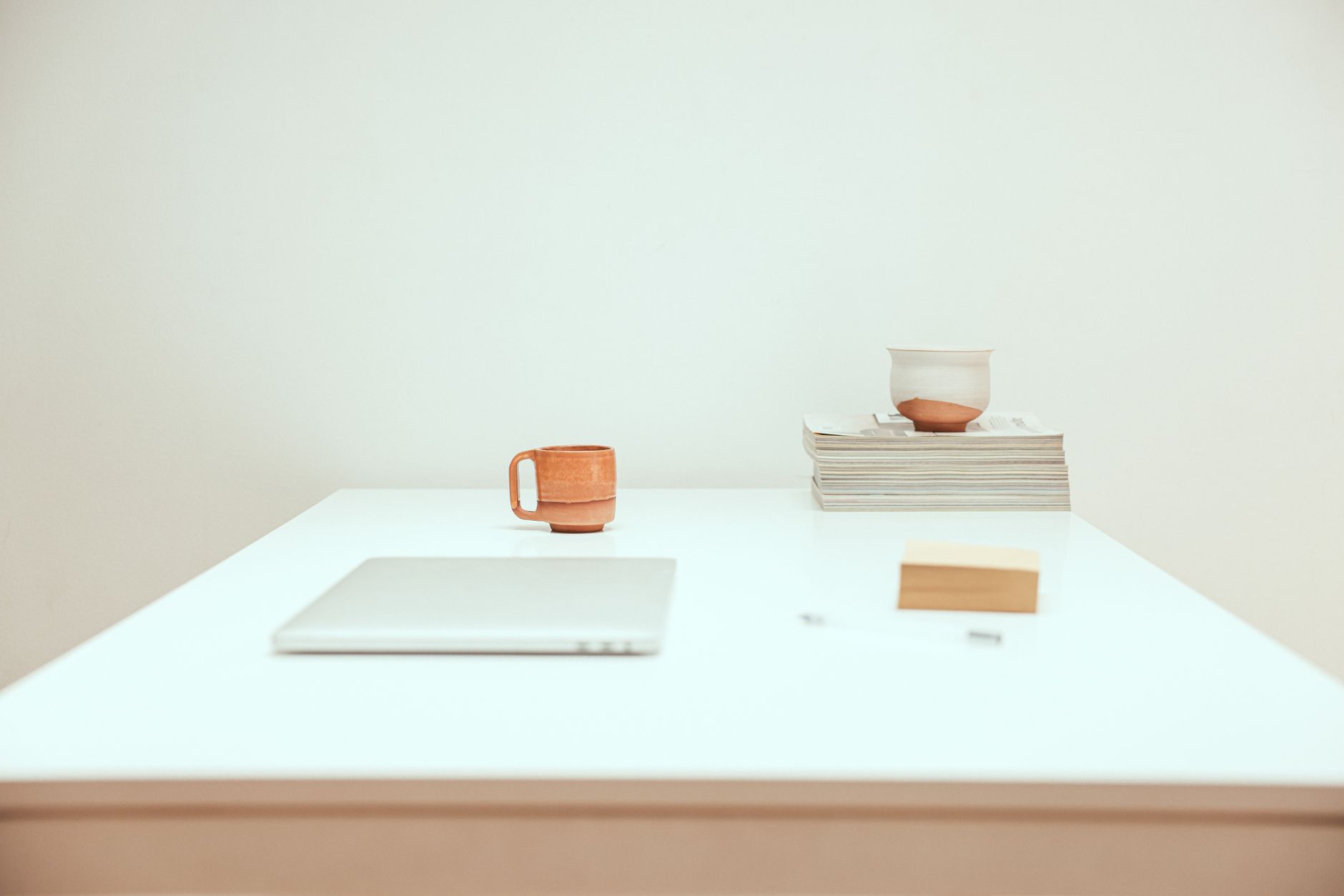
Functional design begins with honestly assessing actual lifestyle. How do you spend time at home? Do children play there regularly? Do you work from home? Do you entertain frequently? Do you prefer minimal clutter or comfortable abundance? Design serving actual life proves far more successful than aspirational design unsuited to real behavior patterns. Understanding specific needs guides selections ensuring spaces truly function for inhabitants rather than creating beautiful but impractical rooms.
The most beautiful spaces ultimately serve their inhabitants’ actual lives, not theoretical ideals.
Color Selection and Palette Development
Colors dramatically influence space feeling. Warm colors energize and comfort. Cool colors calm and relax. Neutrals provide flexible backdrops. Developing cohesive color palettes—selecting primary, secondary, and accent colors working together—creates harmony. Understanding which colors flatter your complexion, which colors you genuinely love living with daily, and which colors suit room purposes guides confident selection. Rather than following trends, identifying personal color preferences creates spaces you’ll remain happy with across years.
Living with color samples on walls before committing prevents mistakes—colors appear different in various lighting and sizes.
Furniture Selection and Space Planning
Quality furniture forms functional homes’ foundation. Understanding scale—ensuring furniture properly sized for spaces—prevents cramped or empty feeling. Selecting multipurpose furniture enables functionality in smaller spaces. Investing in quality basics that last prevents constant replacement. Arranging furniture for conversation, accessibility, and visual flow creates functional, welcoming spaces. Thoughtful furniture selection and arrangement proves foundational to livable design.
Creating floor plans before purchasing enables visualizing arrangements, preventing expensive mistakes.
Lighting Design and Atmosphere
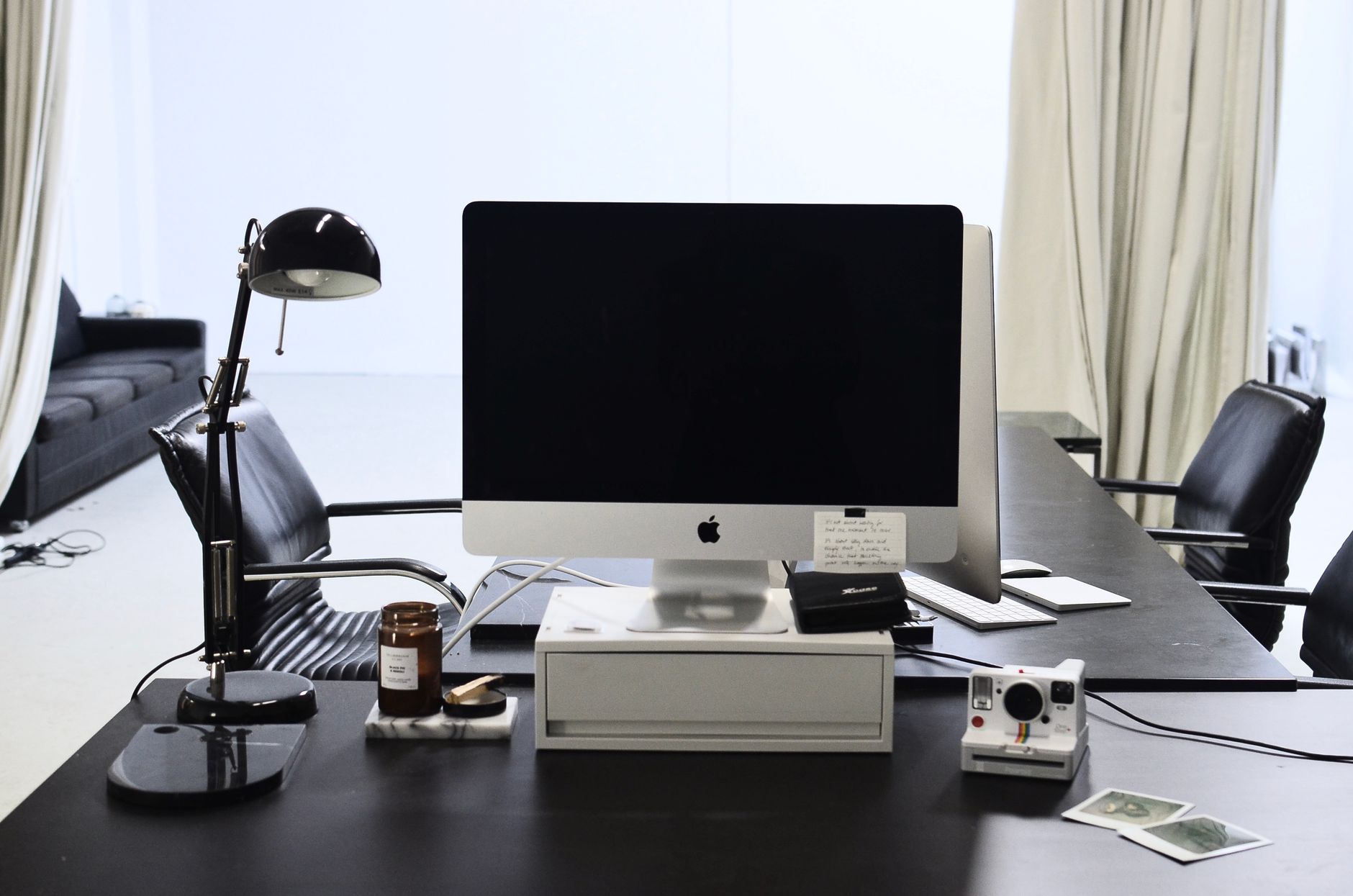
Lighting dramatically affects space atmosphere. Task lighting enables specific functions. Ambient lighting creates general illumination. Accent lighting highlights special features. Natural light influences space feeling differently throughout day. Controlling and layering light sources creates spaces adaptable to different moods and activities. Inadequate lighting creates dreary spaces; thoughtful lighting transforms them. Strategic lighting proves as important as furniture selection for creating spaces where you thrive.
Texture and Layering for Visual Interest
Smooth, hard surfaces create modern, cool feeling. Soft, textured elements add warmth and comfort. Layering textures—mixing wood, metal, soft fabrics, rough elements—creates visually interesting spaces preventing sterile appearance. Combining different textures creates spaces feeling more lived-in and inviting. Understanding texture’s role enables creating spaces with personality and warmth.
Personal Touches and Meaningful Details
Most beautiful spaces include personal touches—family photographs, meaningful artwork, collections reflecting interests, travel mementos. These personal elements transform generic spaces into genuine homes. Intentional styling—displaying items meaningfully rather than randomly—creates curated, intentional-feeling spaces. Personal touches communicate inhabitants’ values and identities, making homes genuinely reflective of inhabitants rather than generic.
Evolving Spaces Over Time
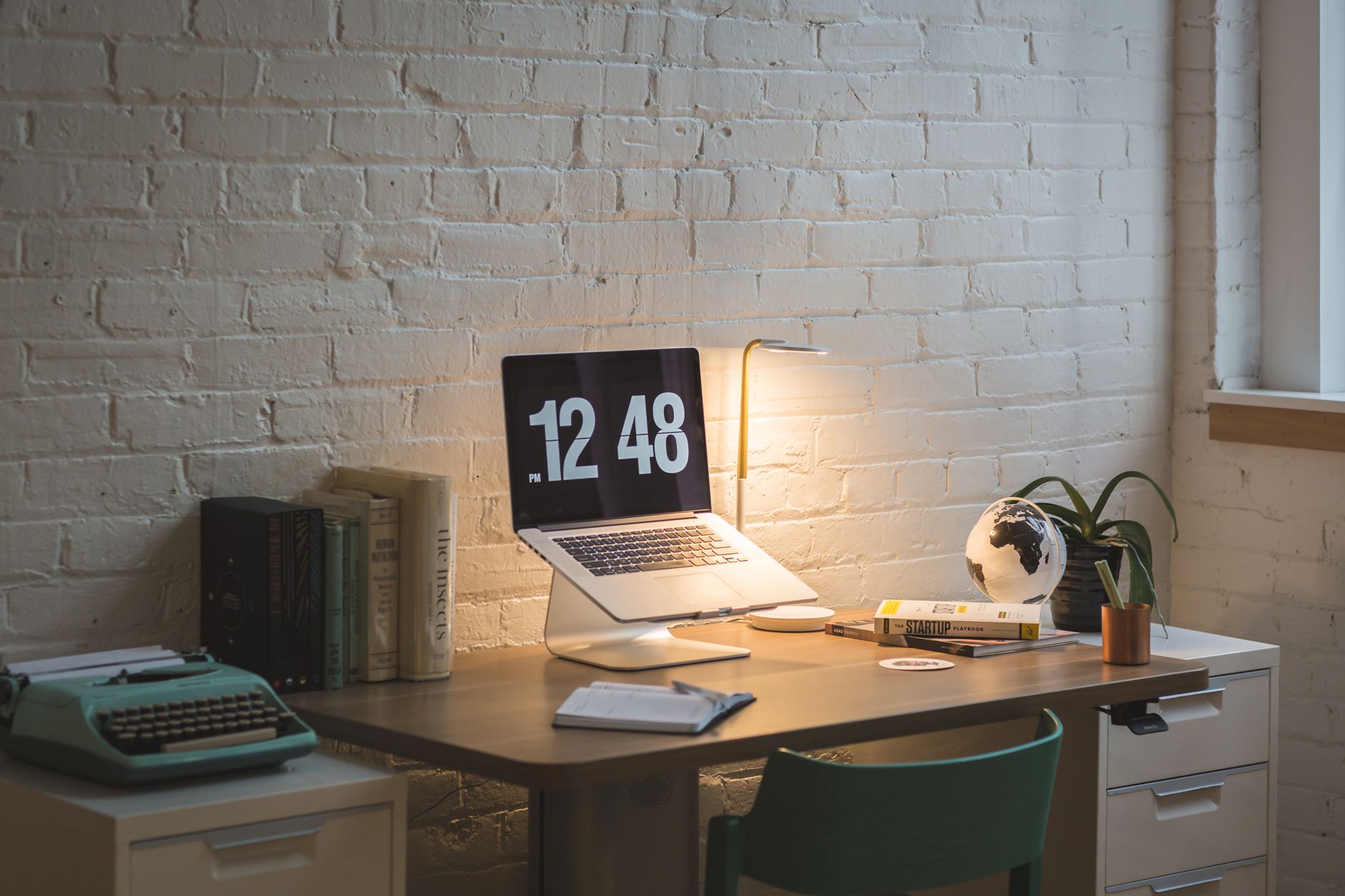
Homes evolve as lifestyles change. Design that worked when living alone might need adjustment with family. Interests shift, motivating updated aesthetics. Flexibility preventing attachment to permanent solutions enables updating spaces as life progresses. This evolutionary approach keeps spaces fresh while serving changing needs.
Creating Your Beautiful, Functional Home
Creating homes you genuinely love involves understanding design principles, assessing actual lifestyle, making thoughtful selections, and layering personal touches. Through strategic selection of quality elements, thoughtful color and texture choices, and personal styling, you create spaces where you thrive. With quality pieces and design guidance from Nature Wall, you transform houses into homes authentically reflecting who you are and supporting your best life.