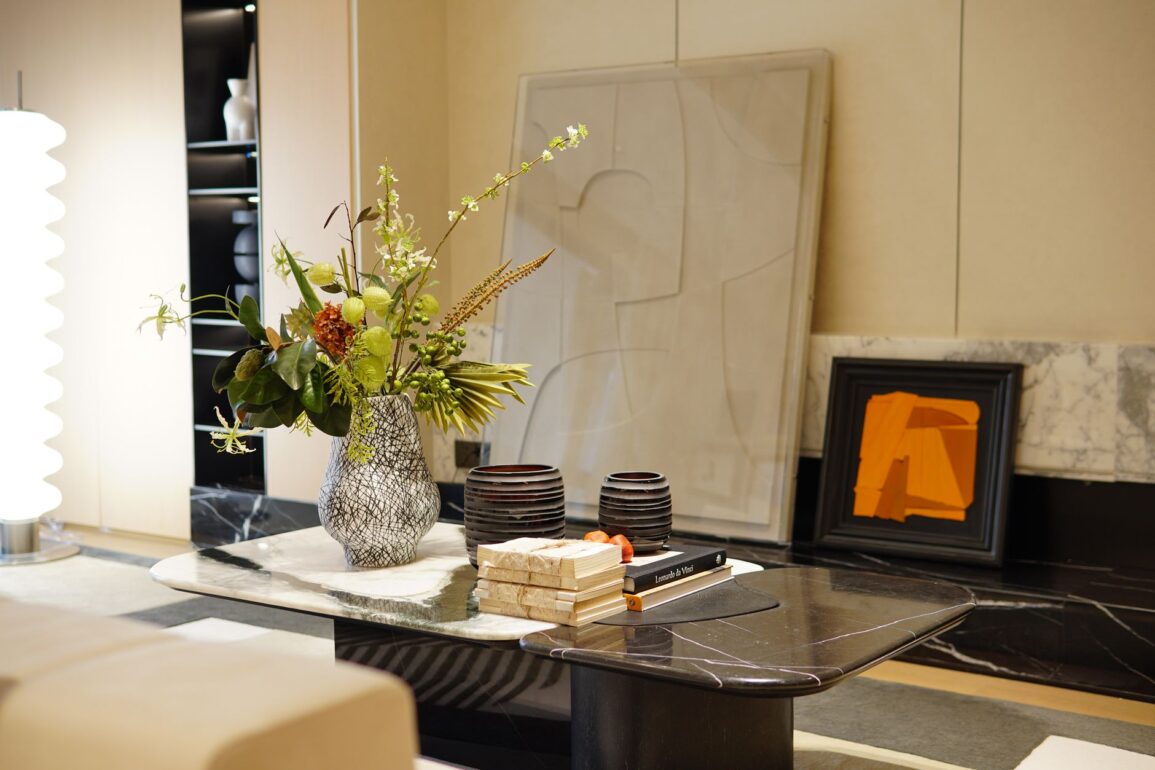
Your home’s interior reflects your personality and values, yet creating spaces that feel cohesive rather than random requires understanding design principles. Many people approach home decoration reactively—purchasing individual pieces they like without considering how items work together. This often results in beautiful individual pieces that clash awkwardly, creating visually jarring environments rather than harmonious sanctuaries. Understanding design fundamentals transforms your approach, enabling you to create unified aesthetics where every element supports the overall vision. Cox and Cox offers curated selections of home decor supporting this cohesive design approach. Learning to apply these principles transforms your home into a reflection of intentional design rather than accumulated purchases.
Establishing Your Design Foundation: Understanding Color Theory
Color represents the most powerful design element, setting your home’s entire mood and atmosphere. Begin by choosing a color palette—typically three to four colors working together harmoniously. Neutral bases like white, gray, or beige provide calm foundation upon which accent colors layer. Complementary color schemes using colors opposite on the color wheel create vibrant energy. Analogous schemes using adjacent colors generate sophisticated harmony. Monochromatic approaches using single color in varying shades create sophisticated unity. Understanding these approaches helps you select colors that work together rather than fighting visually.
Your chosen palette should appear throughout your home, creating cohesion as you move between rooms. This does not mean every wall is the same color—instead, your palette colors appear in walls, larger furniture pieces, art, and accessories in varying proportions. Cox and Cox offers accessories and decor pieces in carefully selected color palettes, making it easy to find items supporting your chosen aesthetic.
Defining Your Style Direction: Traditional, Modern, Eclectic, and Beyond
Design styles provide frameworks guiding your selection decisions. Traditional style emphasizes classic proportions, ornate details, and timeless appeal. Modern style prioritizes clean lines, minimalism, and contemporary functionality. Industrial style celebrates exposed materials and utilitarian forms. Scandinavian design combines minimalism with warmth through natural materials and coziness. Bohemian style embraces global influences, eclectic pieces, and artistic expression. Understanding which styles resonate with you helps you make purchasing decisions that feel authentically yours rather than trendy.
Many successful homes blend styles thoughtfully—combining modern minimalism with bohemian warmth, mixing industrial elements with traditional comfort. The key is ensuring blends feel intentional rather than accidental. This requires understanding which style elements you are selecting and why. Cox and Cox offers pieces spanning multiple styles, allowing you to find items that fit your chosen aesthetic direction.
The Power of Consistent Finishes and Materials
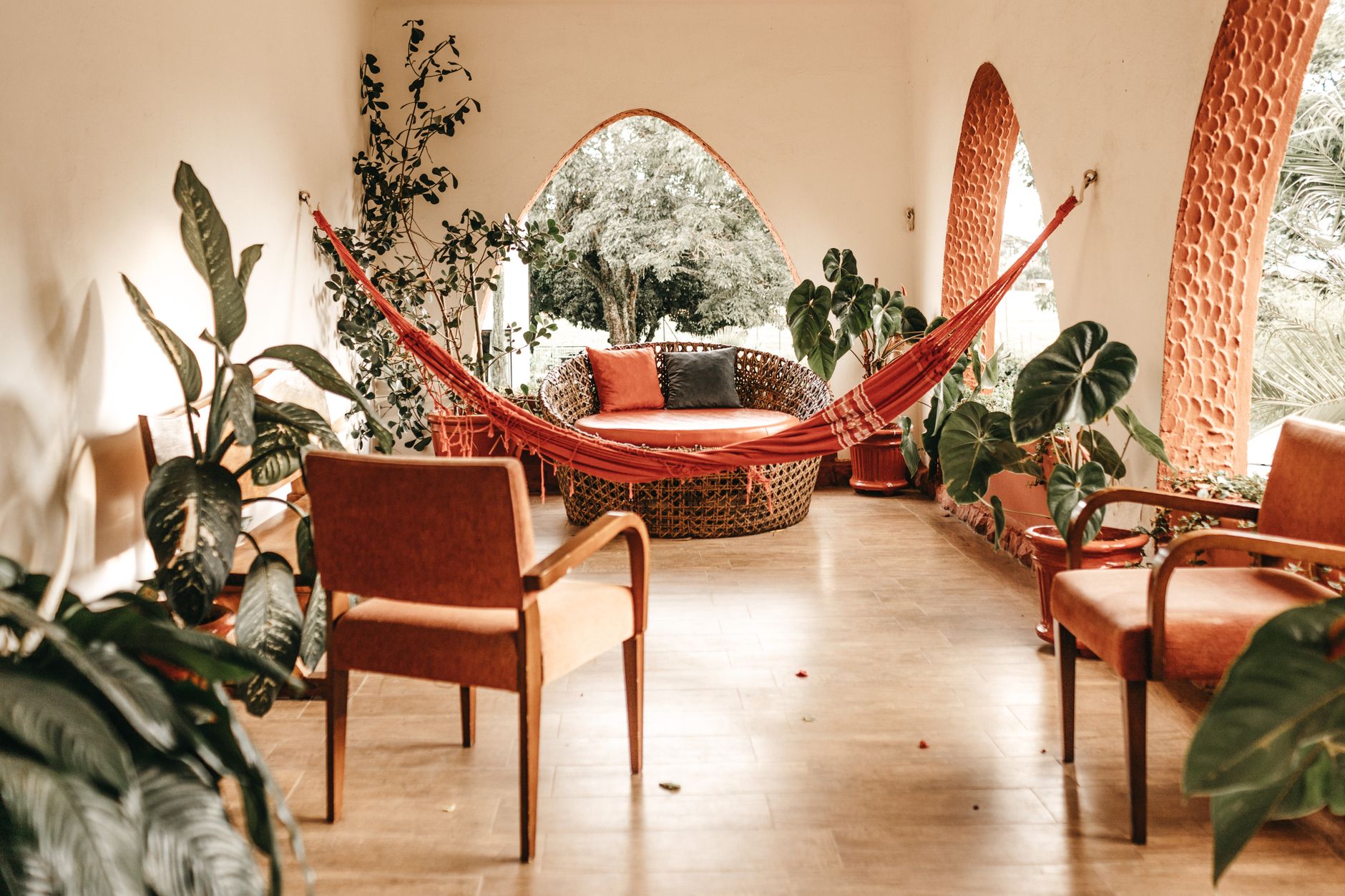
Beyond color and style, material consistency creates cohesion. Homes featuring consistent material palettes feel more unified than those jumping randomly between materials. You might choose natural wood, metal, and linen as your foundational materials, then select all furniture and accessories within this palette. Alternatively, you might build around reclaimed wood, vintage metals, and textured textiles. Establishing material consistency means future purchases align naturally with your aesthetic.
Material consistency extends to finishes—shiny metallic accents throughout create glamorous cohesion, while matte finishes suggest understated elegance. Wood tone consistency matters as well—mixing honey tones, grey-washed wood, and black wood creates visual fragmentation, while selecting a consistent wood tone creates harmony. Cox and Cox collections help you maintain this material and finish consistency across your home.
Creating Visual Balance and Spatial Harmony
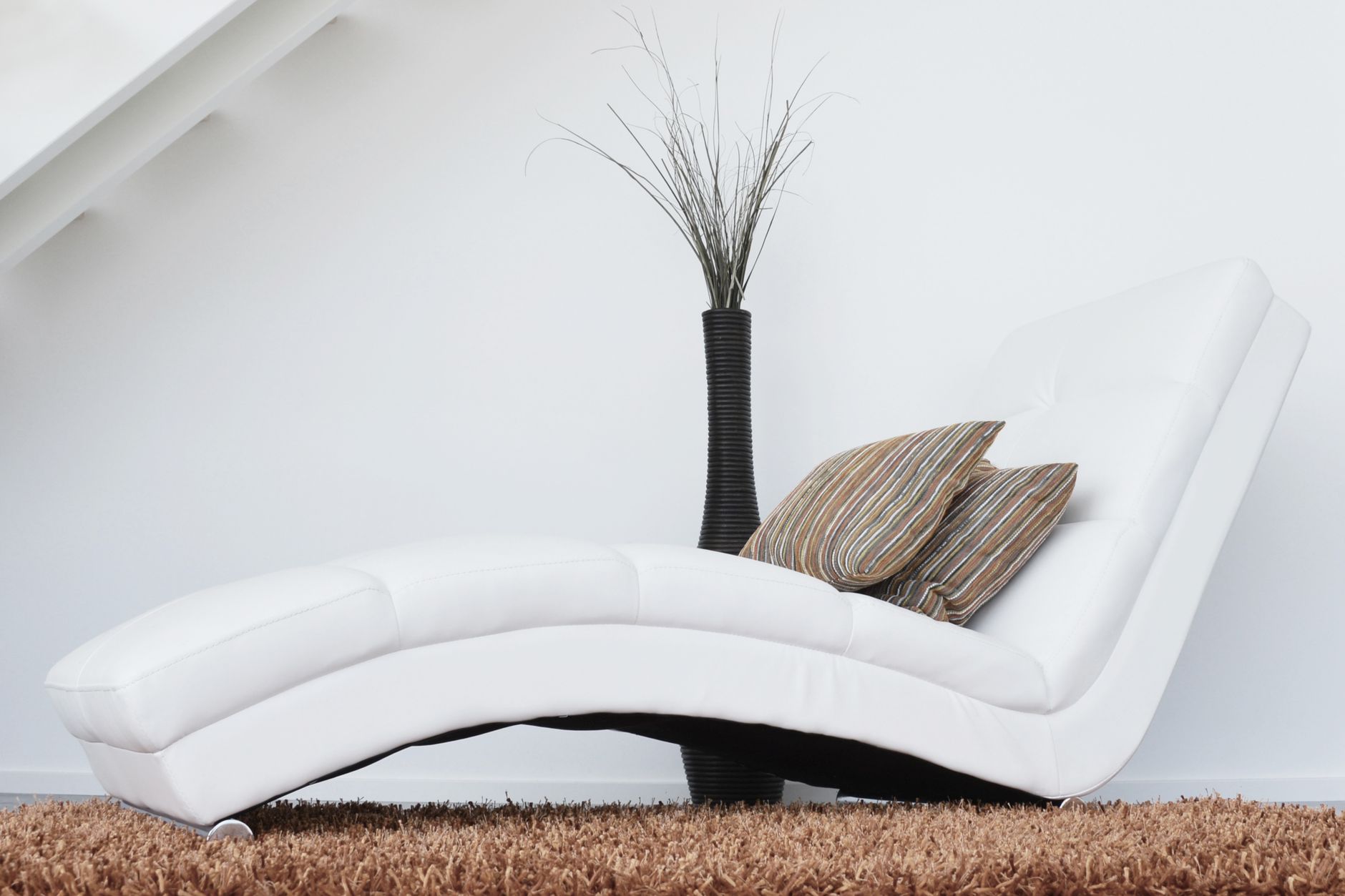
Beyond aesthetics, cohesive homes feel comfortable because they balance visual weight and spatial distribution. Visual balance means distributing color, pattern, and detail evenly throughout rooms rather than concentrating heavily in one area. Symmetrical balance—identical arrangements on both sides of focal points—creates formal, traditional feeling. Asymmetrical balance—different elements with equal visual weight—creates modern, dynamic feeling. Understanding which balance approach suits your style helps you arrange spaces that feel intentional.
Spatial harmony involves considering how rooms flow together. Sight lines from one room to another should feel pleasing and intentional. The color palette visible from your living room into dining room should feel harmonious. Furniture scale should relate appropriately to room size—oversized pieces in tiny rooms overwhelm, while undersized pieces disappear in vast spaces. Cox and Cox offers diverse furniture and decor scales, allowing you to select pieces appropriately proportioned to your specific spaces.
Layering Texture for Visual Interest and Depth
Monochromatic color palettes risk feeling flat or sterile unless textural variation adds depth. Layering different textures—smooth leather with rough linen, glossy metals with matte ceramics, hard wood with soft textiles—creates visual interest while maintaining cohesive color palette. Textural consistency contributes to overall aesthetic—a space might emphasize natural, organic textures or celebrate polished, refined materials. This textural approach works whether you favor minimalist simplicity or maximalist richness.
Texture considerations extend to flooring, wall treatments, window coverings, and accessories. A cohesive home uses texture intentionally—every textural choice supports overall aesthetic rather than appearing random. Cox and Cox emphasizes textile and material variety, offering pieces with distinct textural character.
Artwork and Accessories: Completing Your Aesthetic
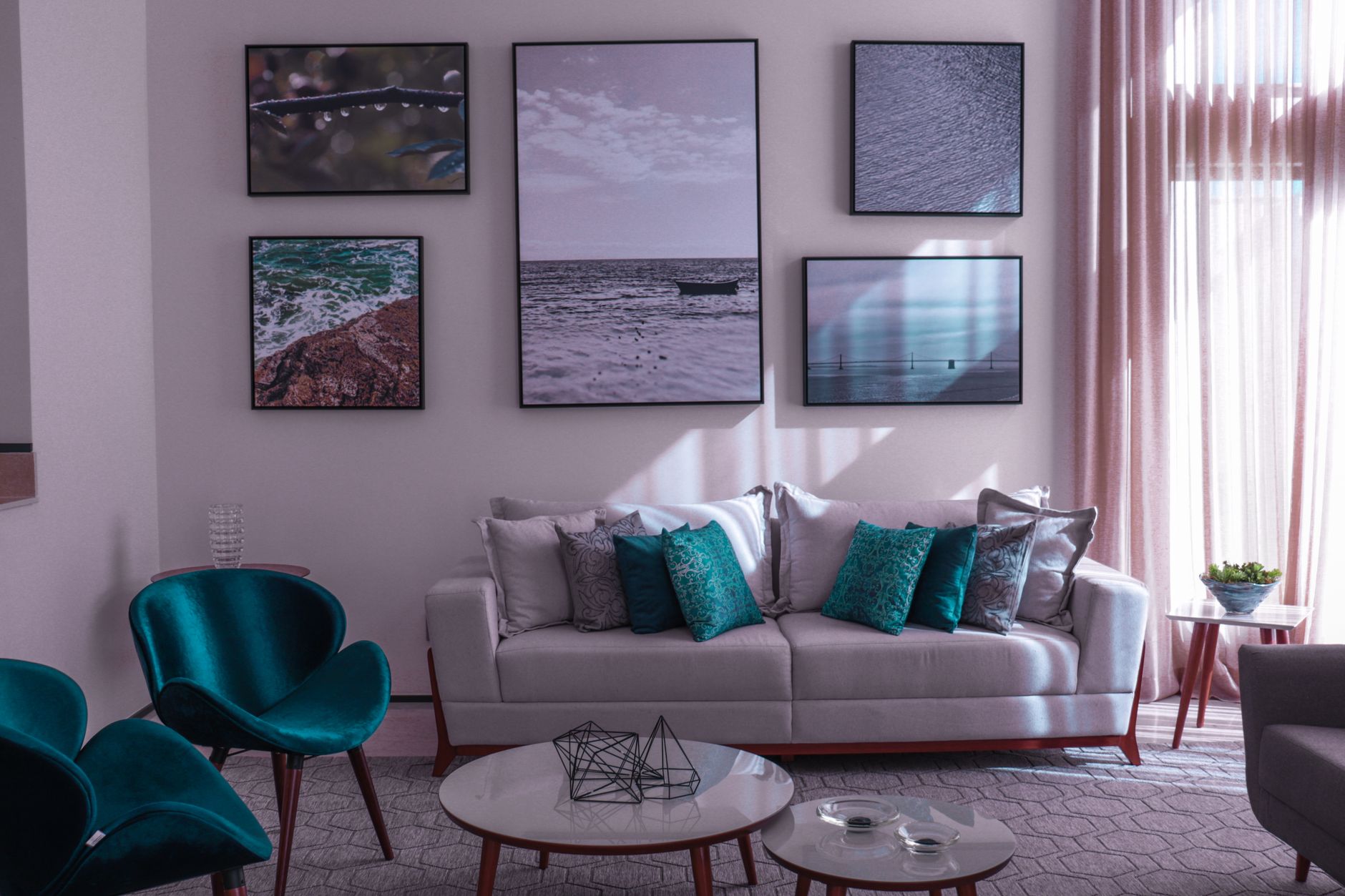
Final cohesion comes through artwork and accessories working within your established framework. Artwork should complement your color palette and style direction rather than introducing contradictory elements. Accessories should repeat your material palette and colors established in larger pieces. Rather than cluttering surfaces with unrelated items, curate accessories supporting your overall aesthetic. This selective approach creates sophisticated, intentional spaces rather than visually chaotic environments.
The rule of three—grouping items in odd numbers—creates visual appeal in accessory arrangement. Varying heights and scales within grouped items prevents static appearance. Cox and Cox offers curated collections of accessories and artwork supporting various aesthetic directions.
Evaluating and Refining Your Cohesive Home
Creating cohesive aesthetics is ongoing process rather than singular achievement. After establishing your framework, evaluate how new pieces work within it. Does this additional accent color enhance or diminish your palette? Does this furniture style support or contradict your chosen direction? By maintaining these standards, your home grows increasingly cohesive over time. Inevitably, some mistakes happen—pieces that looked perfect in stores prove disappointing at home. Simply remove items that no longer feel cohesive, replacing them with selections supporting your vision.
Your cohesive home reflects your personality and values. Through intentional decision-making, consistent approach, and thoughtful curation with resources like Cox and Cox, you create spaces that delight you daily. A unified aesthetic means your home feels genuinely yours—a reflection of your identity and creative vision rather than random accumulation.