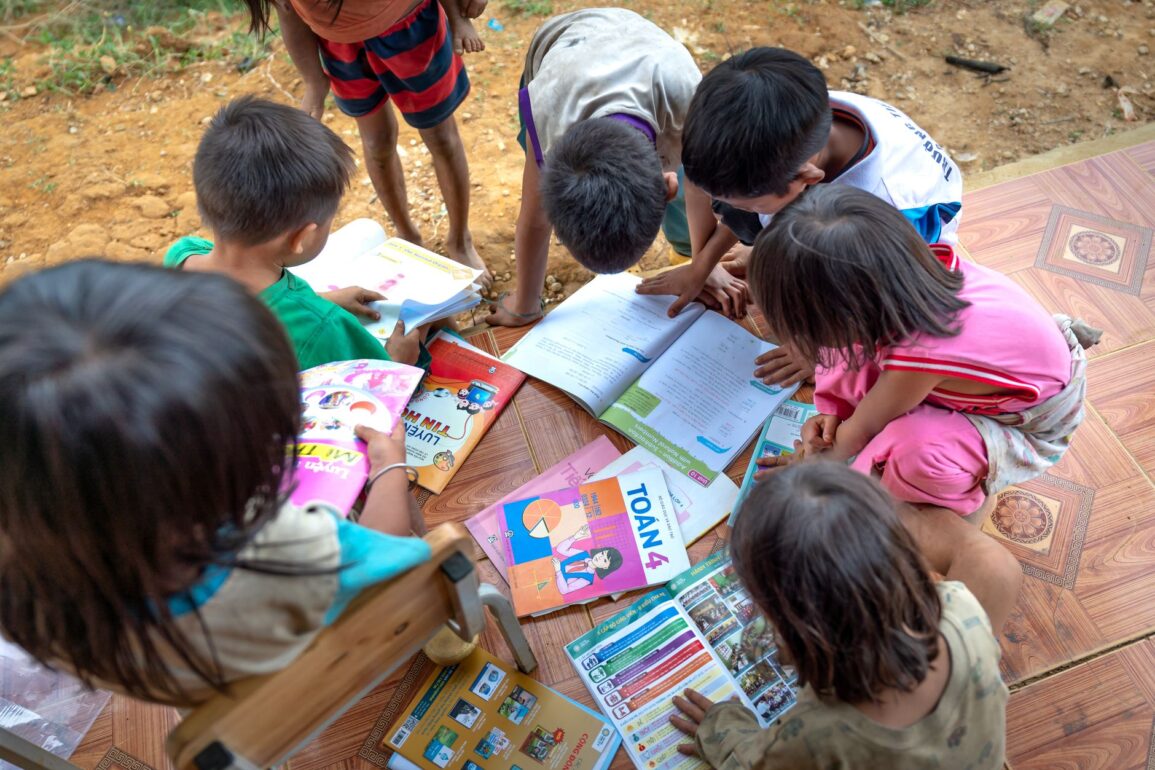
Reading competency forms foundation for academic success and lifelong learning—children struggling early often fall increasingly behind. Yet early intervention, systematic instruction, and supportive practice enable all children developing strong reading skills. Understanding reading development stages, recognizing reading challenges early, and providing appropriate support accelerates literacy growth. Early investment in reading skills pays enormous dividends across schooling and life. Children confident readers enjoy learning more, achieve better academically, and maintain stronger engagement throughout education. Hooked on Phonics builds reading confidence through systematic instruction. Learning reading development helps you support children’s literacy growth.
Understanding Early Reading Development Stages
Reading develops through predictable stages—from letter recognition through decoding to fluent comprehension. Understanding these stages reveals what children should accomplish at different ages. Early recognition of letters and sounds forms foundation enabling later decoding. Recognizing letters and matching them to sounds enables sounding out words. Fluent decoding enables comprehension focus rather than struggling letter-by-letter. Understanding these stages guides appropriate expectations and support.
Children progressing through stages at different paces is normal—individual variation should not cause concern unless substantially behind peers.
Phonics Foundation for Decoding Success

Phonics—teaching sound-symbol relationships—provides foundation for decoding written words. Understanding that letters represent sounds, learning individual sound correspondences, and learning to blend sounds into words enables children sounding out unfamiliar words independently. Strong phonics instruction accelerates reading development substantially. Children without strong phonics struggle decoding unfamiliar words, limiting reading comprehension. Systematic phonics instruction provides essential foundation.
Reading Practice and Fluency Development
Reading fluency—reading accurately, quickly, and with expression—develops through repeated practice. Children reading frequently improve reading speed while maintaining accuracy. Fluent reading enables comprehension focus rather than struggling individual words. Encouraging children reading daily, providing engaging reading materials, and celebrating reading progress supports fluency development. Reading becomes easier through practice; children avoiding reading fall further behind.
Comprehension and Critical Thinking
Reading ultimately serves comprehension—understanding and engaging with text. After children develop decoding fluency, comprehension strategies enable deeper understanding. Predicting story developments, identifying main ideas, inferring unstated information—these comprehension skills deepen engagement. Supporting comprehension develops critical thinking extending beyond reading. Many struggling readers have adequate decoding but weak comprehension—targeting both decoding and comprehension ensures complete reading development.
Creating Supportive Reading Environments

Children learn reading through exposure to books and reading models. Homes with abundant books, parents reading regularly, and positive reading attitudes foster reading development. Schools emphasizing reading instruction and providing engaging reading materials support literacy growth. Conversely, homes and schools without reading emphasis leave children struggling. Creating environments valuing reading communicates its importance powerfully.
Identifying and Supporting Reading Struggles
Some children struggle reading despite adequate instruction—dyslexia and related reading disabilities affect 10-15% of population. Recognizing struggles early—difficulty distinguishing sounds, trouble remembering letter-sound relationships, slow reading progress—enables appropriate intervention. Specialized instruction supports children with reading disabilities, enabling reading development with proper support. Assuming struggling readers simply need more time often delays essential help.
Parent and Educator Partnership
Reading development occurs both home and school—parents and educators partnering maximizes support. Regular communication about reading progress, shared use of strategies home and school, and coordinated practice supports reading development most effectively. Parents need not be reading experts to support—reading aloud, listening to children read, and encouraging reading practice provides essential support.
Building Lifelong Reading Habits
Beyond school reading requirements, fostering genuine interest in reading creates lifelong readers. Supporting children finding books matching their interests, celebrating reading accomplishments, and modeling reading enthusiasm communicates reading’s value. Children becoming lifelong readers experience immense benefit—greater knowledge, stronger vocabulary, better writing, and enhanced critical thinking.
Creating Readers Who Thrive

Strong reading foundation enables academic success and lifelong learning engagement. Through understanding reading development, providing systematic phonics instruction, supporting fluency and comprehension, creating supportive environments, and identifying struggles early, you enable children becoming confident readers. With Hooked on Phonics systematic approach, you provide children the instruction and practice building reading confidence and competency.