Language fundamentals—understanding sounds, letters, and how they combine—form foundation for speaking, reading, and writing competency. Yet many people, even adults, lack solid phonics understanding limiting spelling and pronunciation confidence. Understanding language building blocks, recognizing different sound patterns, and practicing pronunciation strengthens language skills throughout life. Rather than viewing language mastery as distant goal, systematic work on fundamentals creates rapid improvement. Building phonics expertise transforms communication confidence. Hooked on Phonics enables mastering language fundamentals systematically. Learning language foundations helps you communicate more effectively.
Understanding Sound Systems and Phoneme Recognition
Languages organize sounds into phonemes—distinct units changing meaning. English contains roughly 44 phonemes—more than 26 letters, requiring letter combinations for some sounds. Understanding these distinct sounds enables pronunciation accuracy and spelling understanding. Many English learners struggle pronunciation because they miss subtle sound distinctions. Learning to recognize and produce distinct sounds—like difference between “th” sounds in “thick” and “this”—improves pronunciation substantially. Phoneme awareness forms foundation for literacy and communication.
Different languages contain different phoneme sets—native language phonemes can interfere with learning other languages.
Letter-Sound Correspondence and Decoding

The alphabetic principle—understanding letters represent sounds and combinations create words—enables independent reading and spelling. Learning individual letter-sound correspondences provides foundation. However, many English letters represent multiple sounds—”a” sounds different in “cat,” “make,” and “car.” Learning these variations, recognizing patterns, and understanding exceptions enables decoding even unfamiliar words. Systematic phonics instruction directly teaches these correspondences, accelerating literacy development.
Syllable Structure and Word Building
English syllables follow patterns—vowel-consonant combinations creating predictable structures. Understanding these patterns—consonant-vowel-consonant (CVC) words like “cat,” vowel-consonant-e (VCe) words like “make”—enables recognizing patterns across different words. Learning syllable structure explains spelling patterns and pronunciation. Words with similar structures follow similar patterns, enabling transferring knowledge from one word to similar words.
Advanced Phonics Patterns and Irregular Words

Beyond basic phonics, advanced patterns—digraphs (“ch”, “sh”), blends (“st”, “tr”), silent letters—create spelling and pronunciation complexity. Additionally, many common English words violate phonetic rules—”said,” “does,” “through.” Learning these irregularities, recognizing frequency, and practicing irregular words completes phonics mastery. Advanced learners need to move beyond basic phonics to handle English’s irregular complexity.
Pronunciation and Accent Development
Clear pronunciation depends on accurate phoneme production. Learning correct tongue and lip positions for different sounds enables clear pronunciation. Many pronunciation errors stem from phoneme confusion or inadequate sound distinction practice. Working with pronunciation, recording yourself, and comparing to native speakers enables gradual improvement. Pronunciation improvement takes time but pays substantial dividends in communication clarity and confidence.
Reading Fluency and Automaticity

Initial phonics learning requires conscious attention—sounding out each word letter-by-letter. With practice, sight words become automatic—recognized instantly without sounding out. Building sight word automaticity enables reading quickly while maintaining comprehension. Teachers and parents supporting this transition from conscious decoding to automatic recognition accelerate reading development substantially.
Spelling Accuracy Through Phonics Understanding
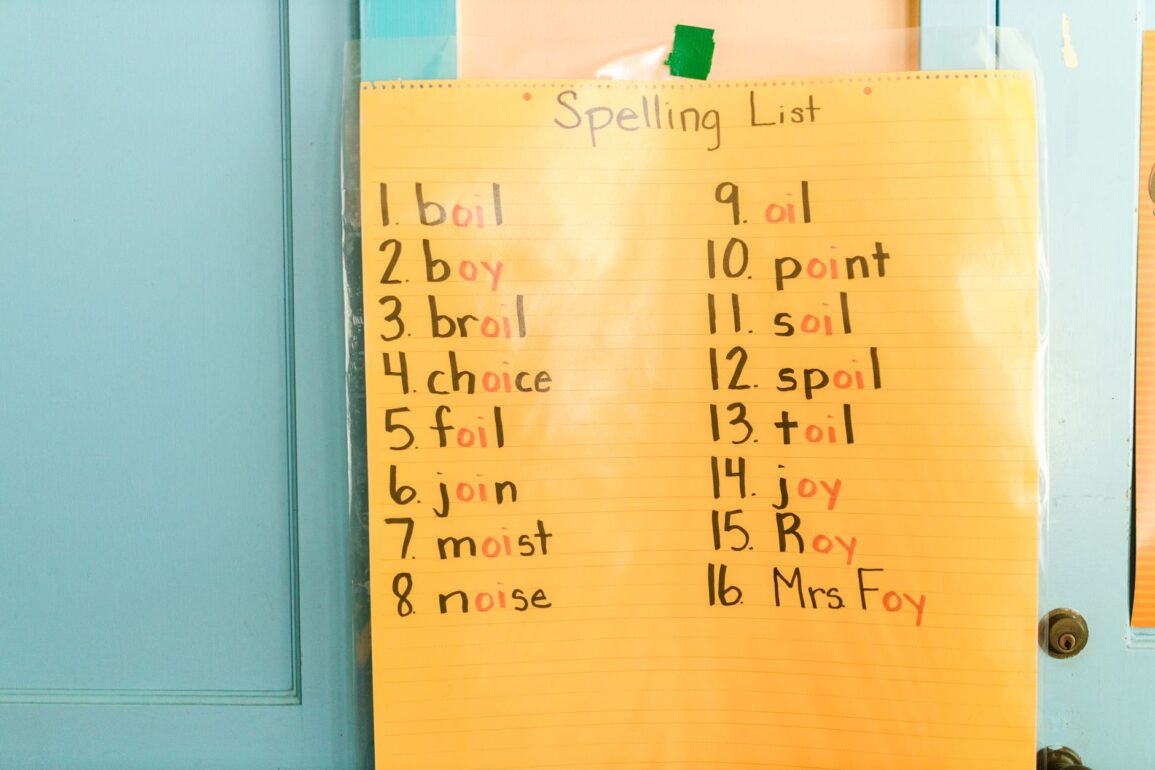
Understanding phonics directly improves spelling. Rather than memorizing arbitrary letter sequences, understanding sound-letter relationships enables spelling logically. Understanding why “made” uses “e” (silent-e marking long vowel) while “mad” doesn’t explains spelling patterns. Spelling confidence grows as students recognize phonetic patterns rather than memorizing irregularly.
Transfer to Other Languages
Phonics understanding transfers partially to other languages—though each language has distinct sound systems. Understanding systematic sound-symbol relationships enables faster language learning. Students with strong phonics foundation in native language learn other languages more quickly, recognizing new sound systems and letter patterns more readily.
Lifelong Communication Excellence
Language fundamentals mastery—phoneme recognition, letter-sound correspondence, syllable patterns, pronunciation accuracy—enables confident, clear communication. Through systematic phonics learning, understanding sound patterns, practicing pronunciation, and building sight word automaticity, you develop communication excellence. With Hooked on Phonics comprehensive approach, you master language fundamentals enabling confident communication throughout life.