Software development increasingly relies on collaboration—teams working together, sharing code, reviewing each other’s work, and solving problems collectively. Individual coding skills matter, yet collaborative capability determines team success. Understanding collaboration tools, establishing effective communication, implementing code review practices, and fostering positive team culture enables building exceptional development teams. Teams functioning well together accomplish far more than isolated individuals, solving complex problems through diverse perspectives and shared expertise. Hive enables team coordination supporting development success. Learning collaborative development practices helps you build and contribute to excellent teams.
Understanding Version Control and Code Sharing
Version control systems enable developers sharing code without conflict or data loss. Git and similar systems track changes, enable reverting problematic changes, and allow parallel development. Understanding version control fundamentals proves essential for collaborative development. Without version control, coordinating multiple developers becomes chaos. Learning version control systems’ capabilities enables leveraging their full power supporting collaboration. Version control extends beyond code to documentation, configuration, and anything changing over time—understanding these capabilities unlocks powerful collaboration possibilities.
Proper branching strategies, commit messages, and pull request workflows establish team standards enabling smooth collaboration.
Code Review as Learning and Quality Tool
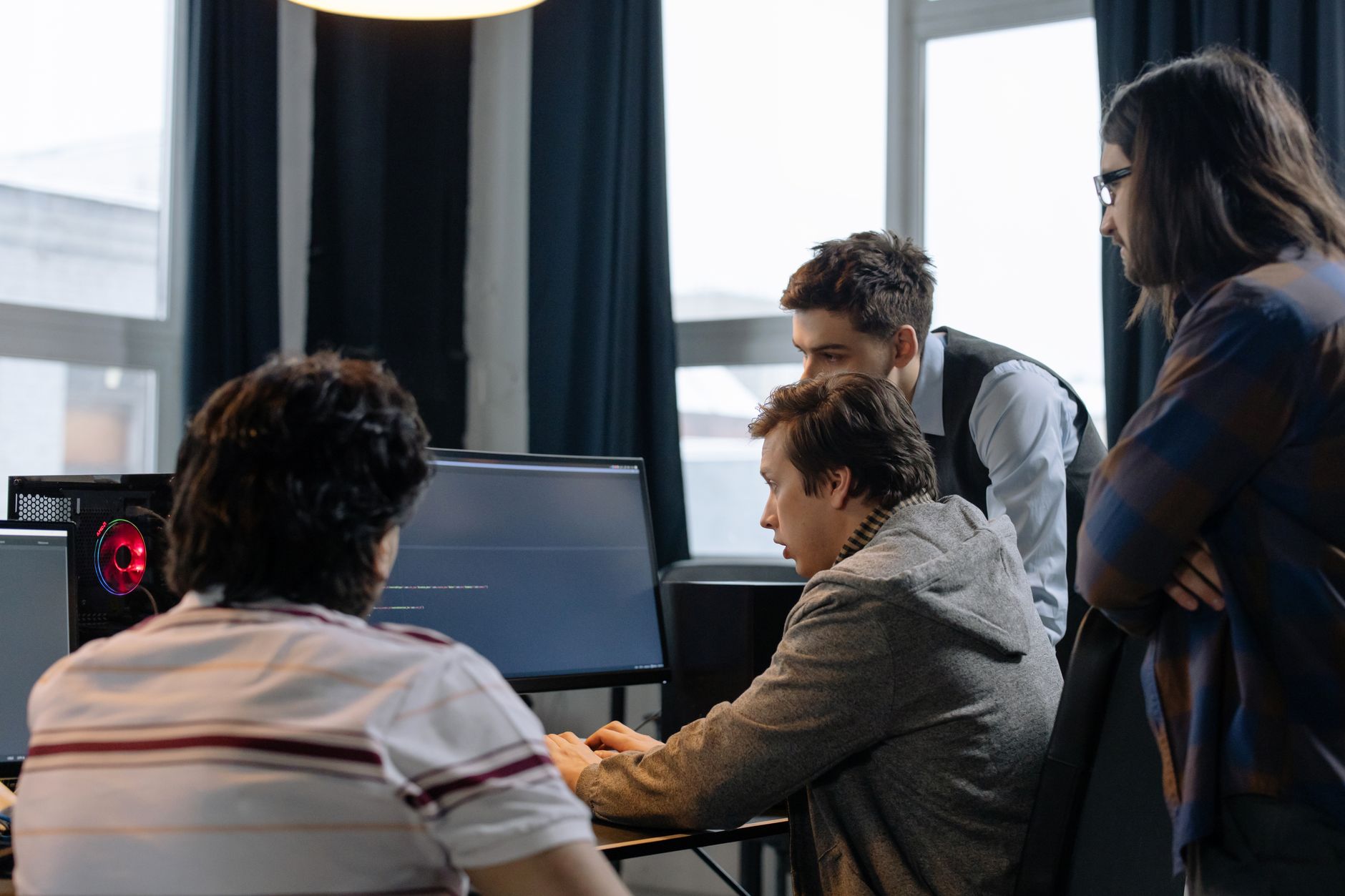
Code reviews involve team members examining changes before merging into main codebase. Reviews catch errors, enforce standards, share knowledge, and build mutual understanding. Giving and receiving code review feedback develops both reviewing and coding skills. Reviewers learn alternative approaches; developers receiving feedback improve understanding. Rather than viewing reviews as criticism, framing them as collaborative quality improvement transforms culture. Teams embracing thorough reviews produce higher quality code than teams skipping reviews to move faster.
Communication Practices Supporting Development
Clear communication enables effective collaboration. Daily standups enable team awareness of progress and blockers. Documentation explains decisions and code behavior. Chat systems enable quick questions without formal meetings. Asynchronous communication respects distributed teams and different working schedules. Understanding communication tool capabilities enables using them effectively. Teams communicating clearly solve problems faster and maintain stronger relationships than teams struggling with communication.
Written documentation proves valuable for teams with members across time zones or working schedules.
Pair Programming and Knowledge Sharing
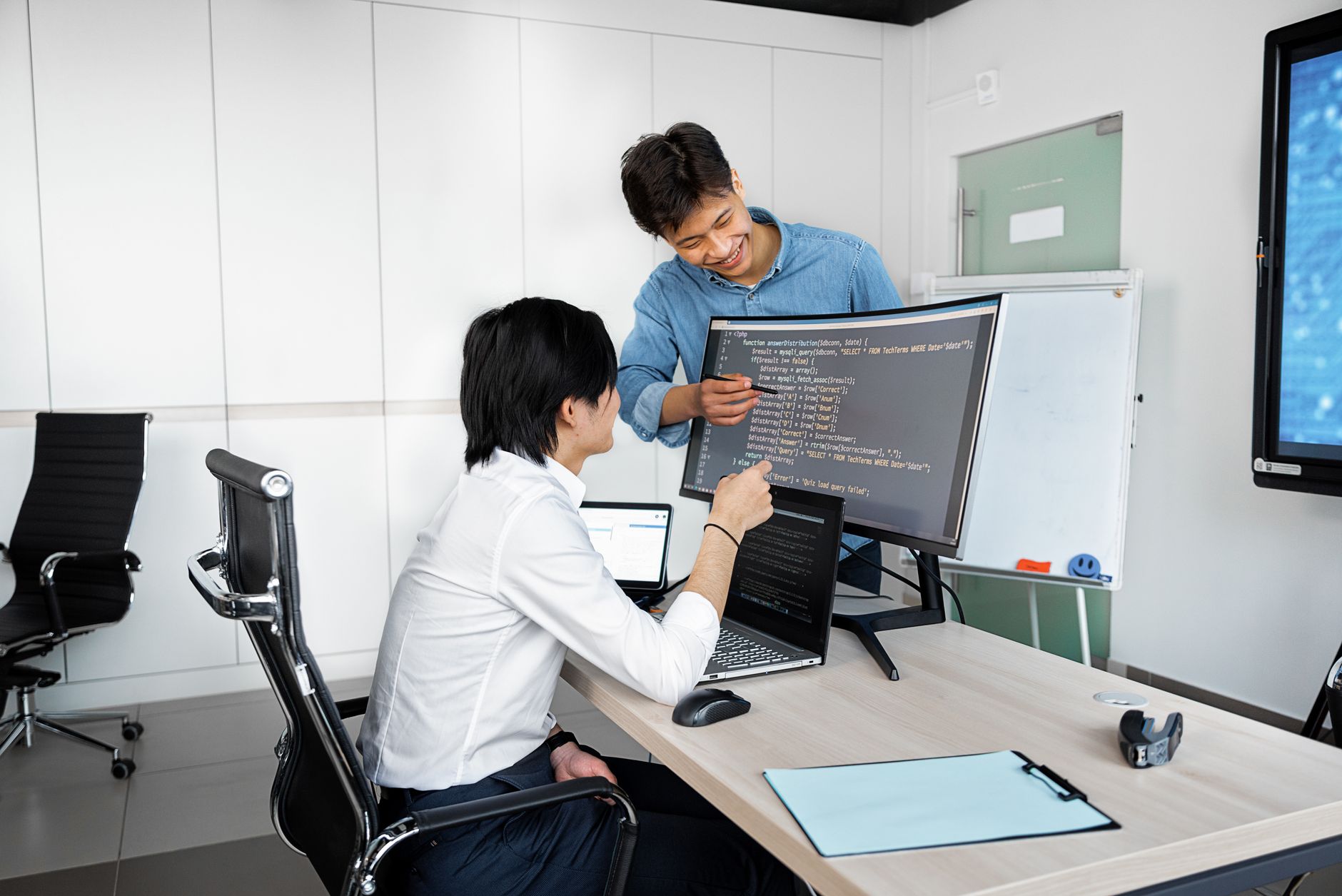
Pair programming—two developers sharing one computer—builds strong collaboration. Real-time problem-solving, knowledge transfer, and mistake prevention occur naturally. While time-intensive, pair programming particularly benefits onboarding, complex problems, and knowledge-critical work. Understanding pair programming’s appropriate applications enables leveraging its benefits. Many teams use pair programming selectively for maximum benefit without overusing it.
Establishing Team Standards and Conventions
Teams establishing consistent standards—code style, naming conventions, testing approaches, documentation expectations—enable smoother collaboration. New team members understand expectations. Code reviews focus on logic rather than style disputes. Automated tools enforce standards consistently. These conventions might seem trivial individually yet cumulatively create substantial collaboration improvement. Teams lacking standards experience constant friction; teams with clear standards flow smoothly.
Managing Conflicts and Disagreements Constructively
Development teams inevitably encounter disagreements—technical approach disputes, priority conflicts, communication misunderstandings. Handling these constructively strengthens teams; handling them poorly damages relationships. Valuing diverse perspectives, seeking understanding before judgment, and focusing on shared goals enables resolving conflicts productively. Teams developing these skills handle disagreements without personal friction. Teams lacking these skills accumulate resentment undermining collaboration.
Building Psychological Safety and Trust
Teams where members trust each other and feel safe making mistakes collaborate more effectively. Psychological safety enables asking questions, admitting uncertainty, and taking reasonable risks. Managers and senior developers set tone through modeling these behaviors. Teams with high psychological safety share knowledge freely, experiment confidently, and support each other through challenges. Teams lacking psychological safety hide problems, operate defensively, and underperform relative to capability.
Continuous Improvement in Team Practices

Strong teams regularly reflect on collaboration effectiveness. Retrospectives enable discussing what worked, what didn’t, and improvements to try. Implementing changes iteratively improves team function. Teams treating collaboration as learnable skill improve continuously. Teams assuming collaboration is fixed waste potential for improvement.
Becoming an Exceptional Collaborative Developer
Exceptional development requires both technical skill and collaboration capability. Through mastering version control, engaging in constructive code review, communicating clearly, establishing team standards, and building psychological safety, you enable teams accomplishing extraordinary results. With coordination tools from Hive, you facilitate team collaboration supporting exceptional development.