

Athletic training creates physical stimulus, yet recovery transforms that stimulus into improvement. Without adequate recovery nutrition, training stress accumulates, performance plateaus, and injury risk increases. Understanding recovery physiology, selecting appropriate supplements, and prioritizing post-training nutrition enables optimal adaptation. Many athletes focus heavily on training intensity while neglecting recovery—creating imbalance undermining potential gains. Viewing recovery as equally important as training transforms results. Quality recovery nutrition accelerates adaptation, enables more frequent training, and supports longevity in athletics. Bulk Powders provides recovery nutrition supporting athletic adaptation. Learning recovery nutrition helps you maximize training benefits.
Understanding Recovery Physiology and Adaptation
Training creates muscle damage and energy depletion—stimulus triggering adaptation. Recovery enables repair, adaptation, and strength building. Muscle protein synthesis—the process building new muscle tissue—requires adequate nutrition and rest. Glycogen replenishment restores energy. Hormonal recovery enables physiological adaptation. Without adequate recovery, training creates chronic stress undermining health. Understanding these processes reveals recovery nutrition’s importance.
Recovery takes days, not hours—prioritizing consistent recovery across training cycles enables long-term adaptation. Single perfect meals provide minimal benefit compared to systematic consistent recovery nutrition.
Post-Workout Nutrition Window
Post-workout represents critical recovery window when muscles remain primed for nutrient uptake. Consuming protein enables muscle repair. Carbohydrates restore depleted glycogen. Fluids and electrolytes restore hydration. Timing matters—consuming recovery nutrition within hours post-workout optimizes adaptation compared to delayed feeding. Quality recovery nutrition immediately post-training accelerates adaptation compared to standard meals hours later.
Protein’s Central Recovery Role

Adequate protein provides amino acids enabling muscle repair and growth. Post-workout protein intake directly stimulates muscle protein synthesis. Recovery protein intake should match training intensity—harder training demands more recovery protein. Spreading protein across meals throughout day maintains steady amino acid availability supporting ongoing recovery. Understanding protein’s recovery centrality enables prioritizing this essential nutrient.
Carbohydrate Importance for Glycogen Restoration
Intense training depletes glycogen—stored carbohydrate in muscles and liver. Glycogen depletion impairs subsequent training performance and recovery. Post-workout carbohydrates replenish glycogen enabling recovery and preparing for future training. Adequate carbohydrate intake supports training frequency and intensity—undereating carbohydrates creates energy deficit undermining athletic performance and adaptation.
Sleep and Recovery Prioritization
Sleep represents critical recovery component—growth hormone secretion, tissue repair, nervous system recovery—all occur during sleep. Athletes requiring recovery should prioritize adequate sleep, typically 8+ hours nightly. Sleep quality matters equally—consistent schedule, dark environment, temperature control—support quality sleep. Insufficient sleep undermines all training investment despite perfect nutrition.
Managing Training Frequency and Intensity
Training frequency and intensity should match recovery capacity. Excessive training without adequate recovery creates overtraining—declining performance, increased injury risk, psychological burnout. Understanding personal recovery capacity enables sustainable training. Some athletes recover quickly; others need longer recovery. Honest assessment prevents overtraining.
Active Recovery and Mobility Work
Light activity on recovery days—easy walking, gentle stretching, mobility work—enhances recovery compared to complete rest. Active recovery improves blood flow supporting nutrient delivery while preventing deconditioning. Distinguishing between recovery days and hard training days enables adequate recovery without excessive reduction in activity.
Supplementation Supporting Recovery
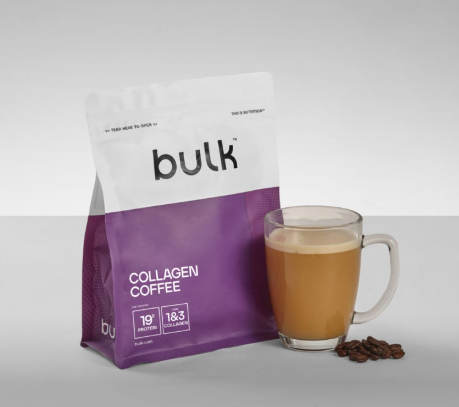
Beyond whole foods, supplements support recovery. Protein powders enable convenient recovery protein. Creatine supports strength recovery. BCAAs support muscle preservation during recovery. Beta-alanine supports fatigue management. Selecting supplements matching specific needs prevents wasted money while supporting actual recovery needs.
Long-Term Health and Injury Prevention
Adequate recovery nutrition prevents cumulative training stress causing injury and illness. Athletes taking recovery seriously experience fewer injuries, maintain consistent training, and build sustainable athletic careers. Short-term performance gains from inadequate recovery create long-term injury risk—poor trade-off compared to sustainable recovery supporting longevity.
Optimizing Your Athletic Recovery
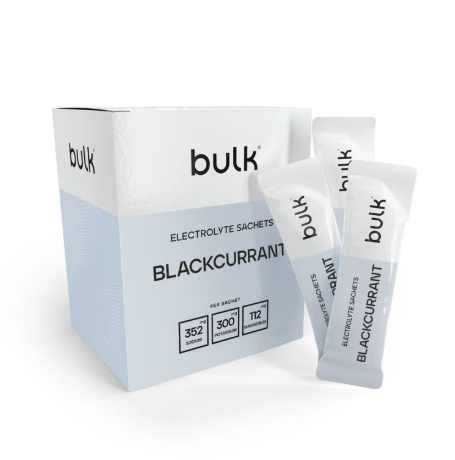
Athletic excellence requires training excellence and recovery excellence. Through understanding recovery physiology, prioritizing post-workout nutrition, maintaining adequate protein intake, restoring glycogen, ensuring quality sleep, and managing training appropriately, you enable optimal adaptation and performance. With quality recovery nutrition from Bulk Powders, you support athletic recovery enabling peak performance and longevity in athletics.