
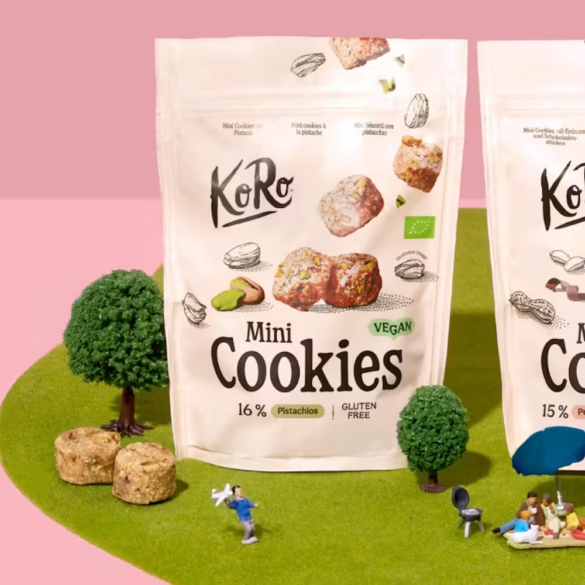
Many people assume buying in bulk means purchasing massive quantities creating storage challenges and potential waste. Reality differs—strategic bulk buying means purchasing appropriate quantities of shelf-stable items you consume regularly, reducing both spending and packaging waste. Bulk purchasing eliminates markup from individual portion packaging, consolidates shipping, and reduces overall consumption through efficiency. Rather than hoarding items destined for waste, smart bulk buying means buying what you’ll actually use in quantities matching your consumption patterns. Understanding bulk purchasing strategy transforms shopping from constant small purchases to intentional larger purchases reducing costs and environmental impact. KoRo enables strategic bulk purchasing through competitive bulk pricing on pantry staples and specialty items. Learning bulk buying strategy helps you shop smarter while respecting budget and reducing waste.
Calculating True Savings Through Bulk Purchasing
Price per unit drops substantially with larger quantities—significantly reducing overall costs for items you consume regularly. Rather than purchasing 250g bags of nuts at premium price, buying 1kg or larger reduces per-gram cost dramatically, with savings compounding monthly. This mathematics applies across entire pantry—grains, legumes, spices, oils, dry goods. For regular consumers, savings prove substantial—sometimes 30-50% reduction compared to individual packages. These savings compound across household items, enabling reallocating saved money to other priorities or investing in quality items otherwise financially inaccessible.
Calculating savings requires honest consumption assessment. Buying bulk items you’ll waste defeats purpose. Buying bulk items you consume creates genuine financial benefit. This honest evaluation ensures bulk buying remains economical strategy rather than wasteful practice.
Practical Storage for Bulk Purchases

Bulk buying challenges often involve storage—large quantities require appropriate containers and space. Yet modest bulk buying—purchasing 2-4 month supplies rather than 6-12 month quantities—creates manageable storage needs. Quality airtight containers prevent spoilage while organizing pantry efficiently. Rotation systems ensure older items get consumed before newer purchases. Proper conditions—cool, dry storage—extend shelf life indefinitely for appropriately selected items. These practical solutions enable bulk purchasing without creating storage nightmares.
Storage investment—quality containers, shelving organization—requires upfront cost but pays dividends through improved organization, reduced food waste, and simplified shopping. These systems improve daily life quality beyond cost savings.
What Items Work Best for Bulk Purchasing
Stable items with indefinite shelf life prove ideal for bulk purchasing—whole grains, legumes, nuts, seeds, pasta, dried goods, quality oils, spices. Items with longer shelf lives enable purchasing larger quantities without waste. Fresh items or short-shelf-life products work poorly for bulk buying unless you’ll consume quickly. Understanding which items suit bulk purchasing prevents overextending storage while ensuring bulk purchase benefits.
Specialty items—organic products, quality nuts, international grains—provide excellent bulk purchasing opportunities, as individual packages carry substantial markup. Purchasing larger quantities dramatically improves affordability.
Environmental Impact of Smart Bulk Buying
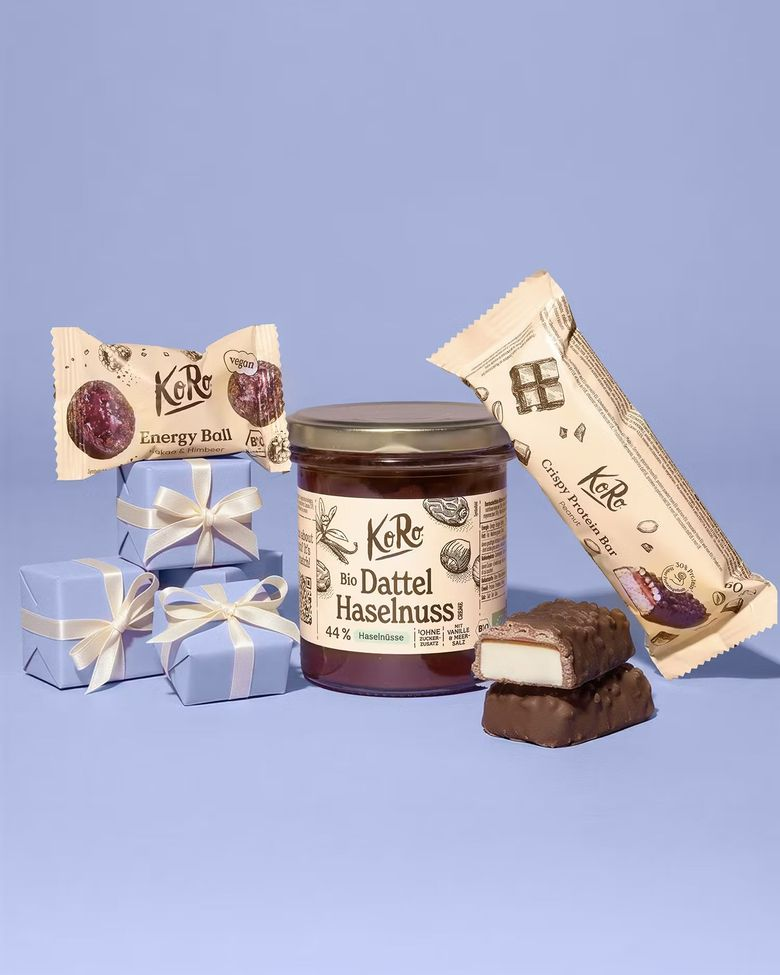
Bulk purchasing dramatically reduces packaging waste—one large container versus multiple individual packages means less cardboard, plastic, and overall waste. Reduced shipping frequency through consolidated larger orders reduces transportation emissions. Reduced product damage from careful storage prevents waste from spoilage. These environmental benefits prove significant—conscientious bulk buying represents powerful strategy reducing household environmental footprint. For environmentally concerned consumers, bulk purchasing aligns values with practical shopping decisions.
This environmental benefit motivates many people to bulk buy beyond pure financial savings—supporting values while saving money represents compelling combination.
Building Your Bulk Purchase List
Strategic bulk purchasers maintain lists of items regularly consumed, purchasing larger quantities when prices are advantageous or supplies run low. This planned approach prevents impulse bulk purchases while ensuring strategic buying. Tracking consumption rates reveals optimal purchase quantities—enough to save financially while avoiding excess storage. Building these lists transforms shopping from intuitive to systematic, improving efficiency and savings.
Digital tracking enables comparing prices across retailers, identifying best bulk purchasing opportunities. Some items offer superior bulk value at specific retailers, worth planning purchases accordingly.
Combining Bulk Buying with Quality Focus
Bulk purchasing enables affording quality items—organic whole grains, fair-trade nuts, specialty ingredients—that individual packaging makes financially inaccessible. Bulk purchasing quality items means consuming better nutrition at costs comparable to poor-quality packaged alternatives. This quality-at-scale approach aligns healthy eating with budget consciousness, enabling genuinely nourishing diet at reasonable cost.
Smart Shopping Through Strategic Bulk Purchasing
Strategic bulk buying saves substantial money while reducing packaging waste and supporting quality consumption. Rather than complicated systems or hoarding behavior, smart bulk purchasing means understanding consumption patterns, purchasing appropriate quantities of shelf-stable items, organizing storage efficiently, and rotating stock. Through focused bulk purchasing of staple items, supported by retailers like KoRo offering bulk quantities at competitive prices, you dramatically reduce costs while supporting environmentally conscious shopping practices.