Beer tasting represents far more than casual drinking—it is an art form that combines sensory awareness, cultural appreciation, and genuine craft understanding. Yet many people approach beer consumption without developing the skills that transform drinking into appreciation. Learning to taste beer deliberately, to recognize subtle flavors and aromas, and to understand the work behind each brew elevates your drinking experience substantially. Rather than settling for mass-produced lagers consumed without thought, beer tasting opens worlds of discovery, connecting you with brewers’ creativity and skill across the globe. BrewDog exemplifies the craft beer revolution, offering distinctive brews inviting genuine appreciation and tasting exploration. This comprehensive guide reveals how to develop your palate and discover the genuine joy of craft beer appreciation.
Understanding Beer Fundamentals and Flavor Profiles
Beer divides into families distinguished by fermentation method and ingredient use. Ales ferment with warm-temperature yeasts producing fruity, complex flavors often more assertive than lagers. Lagers ferment with cool-temperature yeasts creating cleaner, crisper profiles. Within these families exist countless styles—IPAs brimming with hoppy bitterness, stouts rich with roasted chocolate and coffee notes, sours featuring acidic complexity, fruit beers incorporating culinary ingredients. Understanding these families helps you navigate beer selections and recognize what to expect from different styles.
BrewDog brews across numerous styles, from aggressive IPAs to smooth lagers to experimental sours. Exploring their range exposes you to diverse flavor profiles, helping develop palate familiarity with beer’s full spectrum. Rather than restricting yourself to familiar styles, trying different types accelerates your appreciation development substantially.
Developing Your Sensory Awareness: The Four Stages of Tasting
Professional beer tasting follows established protocols maximizing sensory information. First comes appearance assessment—examining color, clarity, and foam quality. Hold beer toward light, noticing hue depth and character. Golden beers, deep ambers, jet-black stouts, and hazy pale ales each communicate about brewing methods and ingredients through visual cues. Second comes aroma analysis—smell the beer deeply, identifying individual notes. Some immediately obvious aromas include fruity, hoppy, or roasted qualities. Others require practice recognizing—notes of vanilla, caramel, leather, or spice hiding within complex aroma profiles.
Third comes taste evaluation—sip deliberately, allowing beer to coat your mouth fully before swallowing. Note initial impressions, mid-palate development, and finish quality. Fourth comes overall assessment—combining all observations into coherent appreciation of the beer’s character. BrewDog beers reward this systematic tasting—each style demonstrates distinct visual character, developing aromas, and evolving flavors revealing themselves through mindful tasting.
Identifying Aroma and Flavor Notes
Developing flavor recognition requires exposure and deliberate attention. Beer aromas often reference familiar fruits, spices, or cooking ingredients—citrus, pine, chocolate, coffee, berries. Learning to recognize these notes helps you understand brewing approaches and ingredient selections. Brewers achieve flavors through ingredient choice—citrus hops create bright aromatics, roasted malts develop chocolate and coffee notes, fruit additions deliver expected flavors. Understanding these connections transforms beer from mysterious beverage into understandable expression of brewer creativity.
Keep tasting notes to develop your recognition abilities. Write descriptions as you taste—even simple notes like “citrus hops” or “chocolate finish” document your evolving understanding. Over time, patterns emerge revealing your palate preferences and recognition capabilities. BrewDog brews offer excellent learning opportunities, each beer presenting distinct flavor profiles inviting analysis and appreciation.
The Role of Mouthfeel and Texture
Beyond flavor, beer’s physical sensation—mouthfeel—contributes substantially to drinking experience. Carbonation levels affect sensation—highly carbonated beers feel crisp and lively, while lower-carbonation brews feel smooth and full. Body describes weight and texture—light-bodied beers feel thin and delicate, while full-bodied beers coat your mouth richly. Alcohol content affects warming sensations and perception of sweetness. Astringency from tannins creates drying sensations. Developing sensitivity to these textural aspects deepens appreciation substantially.
Mindful tasting requires noticing these sensations deliberately. How does this beer’s carbonation compare to others? Does higher alcohol content create perceived warmth? Understanding mouthfeel contributions to overall experience transforms casual drinking into genuine appreciation practice.
The Importance of Temperature and Glassware
Serving conditions dramatically affect beer experience. Temperature influences flavor perception—warm temperatures release aromatic compounds and reveal subtle flavors, while cold temperatures numb palate receptors and mask complexity. Different beer styles suit different temperatures. Hearty stouts and strong ales reveal themselves better at slightly warmer temperatures, while delicate lagers shine when properly chilled. Experimenting with temperature variations reveals how dramatically serving conditions affect experience.
Glassware also matters significantly. Proper beer glasses concentrate aroma toward your nose, shape affects carbonation perception, and vessel design guides the beer appropriately across your palate. Using appropriate glassware for different beer styles—snifters for strong ales, tulips for IPAs, pints for session beers—optimizes sensory experience. BrewDog encourages exploring these variables, understanding how temperature and glassware choices enhance appreciation.
Building Your Beer Knowledge Through Exploration
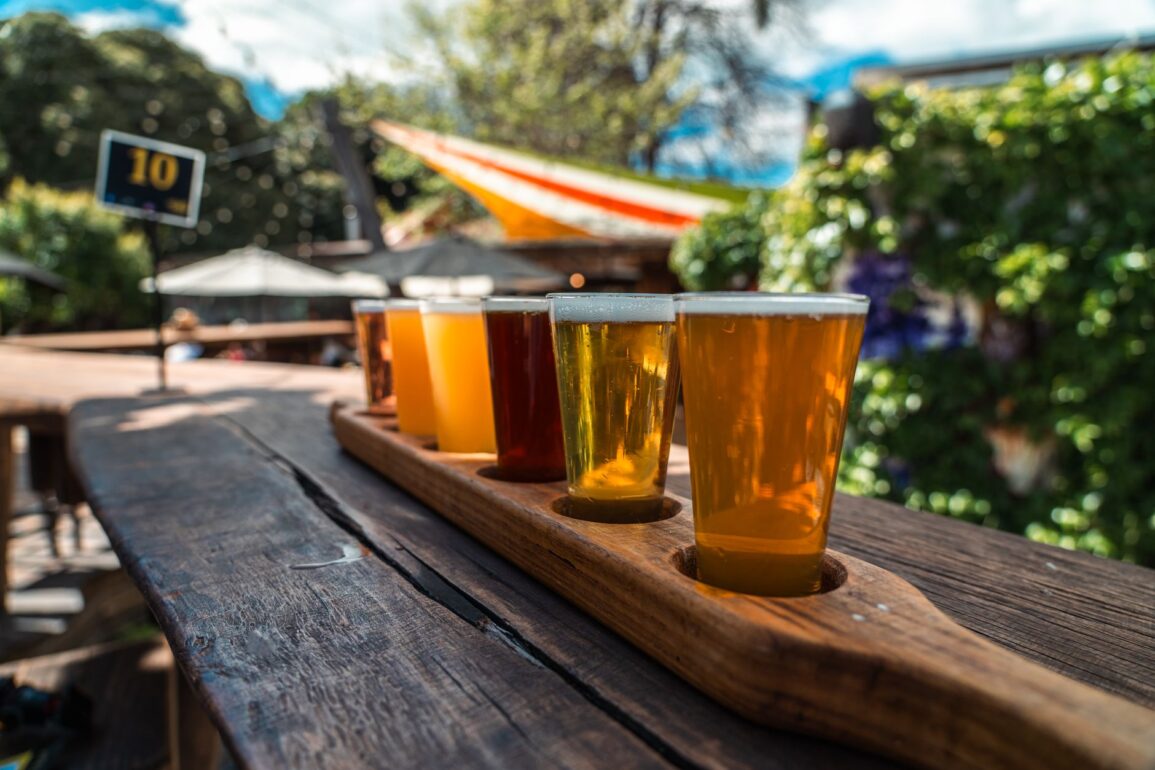
Genuine beer appreciation grows through exploration and experience. Taste systematically—visit breweries, attend tastings, order flights sampling multiple styles, and deliberate over differences between examples. Build knowledge about brewing processes, ingredient selection, and brewer intentions. Read about brewers’ inspirations and creative approaches. This contextual knowledge enriches appreciation by connecting beer to human creativity and cultural significance.
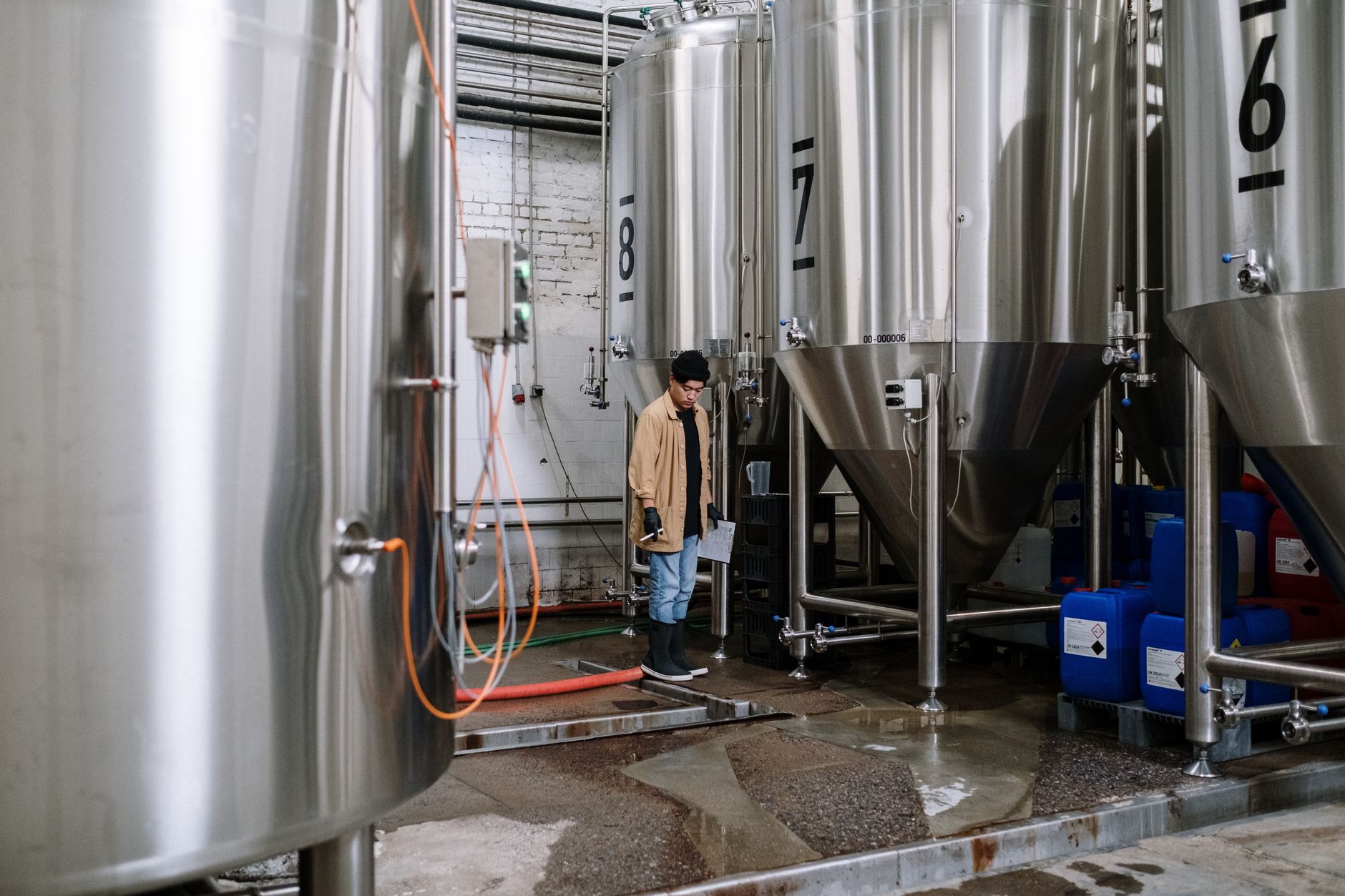
Many breweries, including BrewDog, offer educational opportunities—tours explaining brewing processes, tasting events featuring themed selections, and expert discussions revealing brewer perspectives. Engaging with these opportunities accelerates your learning while connecting you with the beer community.
Appreciating Craft Beer Culture and Community
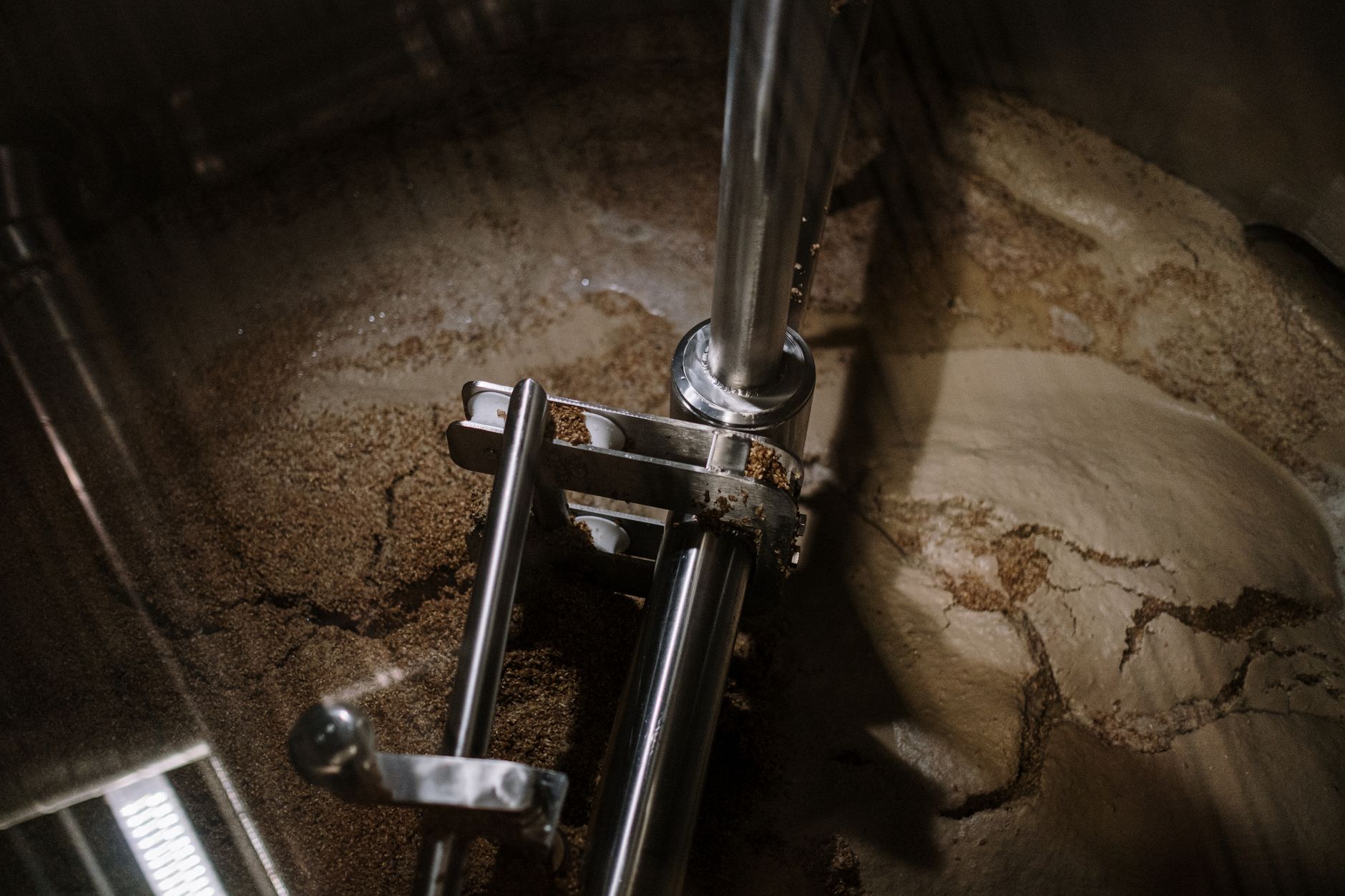
Craft beer culture emphasizes quality, creativity, and community. Beer enthusiasts gather at breweries, bar tastings, and festivals celebrating exceptional brews and sharing knowledge. This community welcomes newcomers, supporting palate development and appreciation growth. Engaging with the community—attending tastings, joining online forums, participating in discussions—enriches your experience while connecting you with like-minded enthusiasts globally.
Craft beer represents human creativity and craftsmanship. Each brewery brings unique perspective, experimenting with ingredients and methods to create distinctive brews. By appreciating craft beers from BrewDog and other breweries, you celebrate this creativity while enjoying genuinely exceptional beverages that commercial breweries cannot match.
Making Beer Tasting Your Personal Practice
Developing beer appreciation is personal journey without judgment or pressure. Your palate preferences guide your exploration—if you prefer citrus-forward beers, explore hoppy ales. If rich, chocolatey flavors appeal to you, delve into stouts and porters. Rather than pursuing “proper” beer snobbery, enjoy discovering what resonates with you. Some enthusiasts prefer light, approachable beers while others chase extreme flavor adventures. Both approaches celebrate craft beer’s diversity and quality. Through deliberate tasting and ongoing exploration with BrewDog and beyond, you discover beers becoming genuine favorites, moments of pleasure and appreciation transforming everyday drinking into genuine celebration.