Zoos occupy a unique cultural position—entertainment venues that simultaneously serve as education centers, scientific research facilities, and conservation organizations. For many people, zoos provide their primary contact with wildlife beyond common domestic species. That encounter with living animals creates emotional connections and ecological awareness impossible to achieve through screens or textbooks alone. Modern zoos recognize this educational power and prioritize learning alongside conservation, understanding that informed, engaged visitors become conservation supporters globally. ZSL’s zoos exemplify this approach, transforming casual visits into genuine learning experiences that inspire long-term conservation commitment. Understanding zoos’ educational impact reveals their importance in building the public support conservation requires.
The Power of Direct Animal Encounters
Humans evolved in direct contact with animals, developing deep emotional and psychological responses to living creatures. Modern life often disconnects people from nature entirely—screens, cars, and indoor environments limit animal contact to pets and media imagery. Zoo visits reconnect people with animals directly, triggering responses that no documentary can replicate. Watching animals move, seeing their eyes, hearing their calls, and witnessing complex behaviors creates visceral understanding impossible through passive observation of screens.
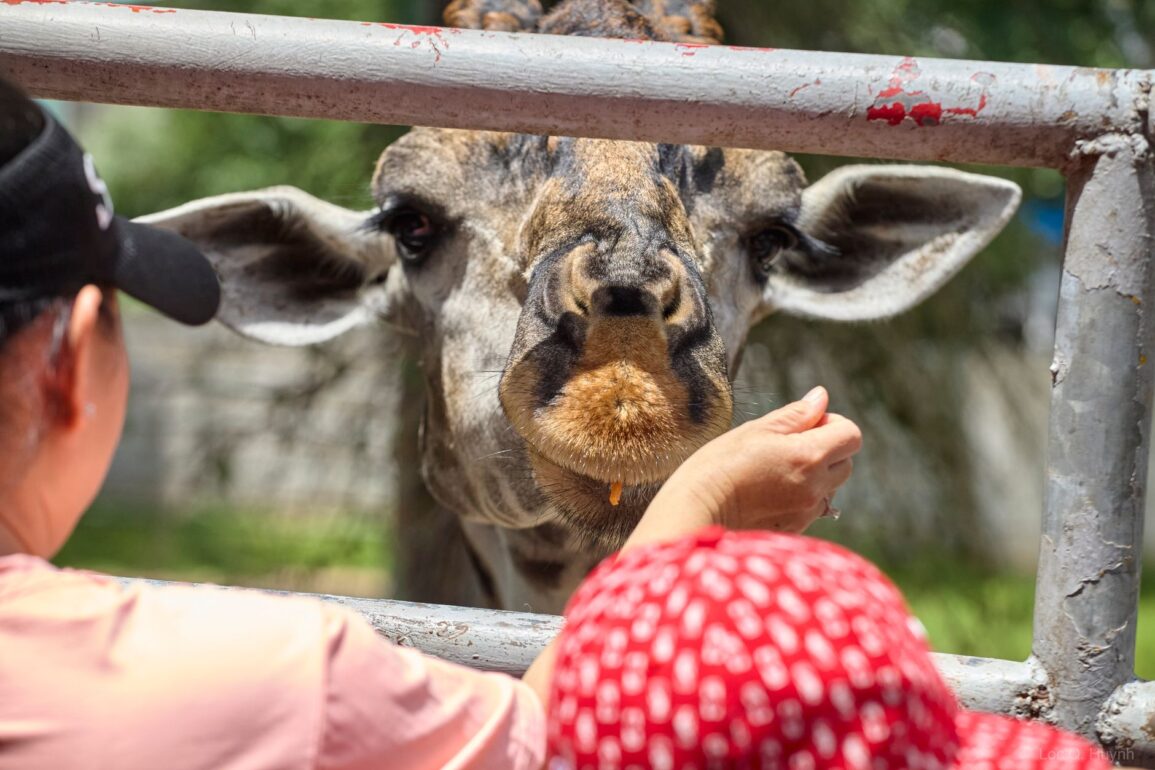
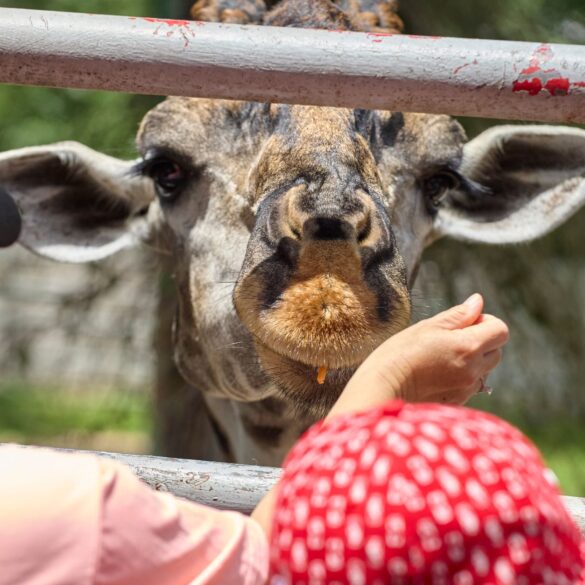
This direct experience proves particularly powerful for children developing understanding of natural world. A child watching a giraffe reach for high leaves learns about animal anatomy and behavior in ways textbooks cannot convey. Observing monkeys interact socially teaches about animal intelligence and emotions. These direct experiences create memorable learning that influences attitudes and values throughout life. ZSL zoos prioritize these encounters, designing exhibits and programs enabling genuine engagement between visitors and animals.
Emotional Connection and Conservation Motivation
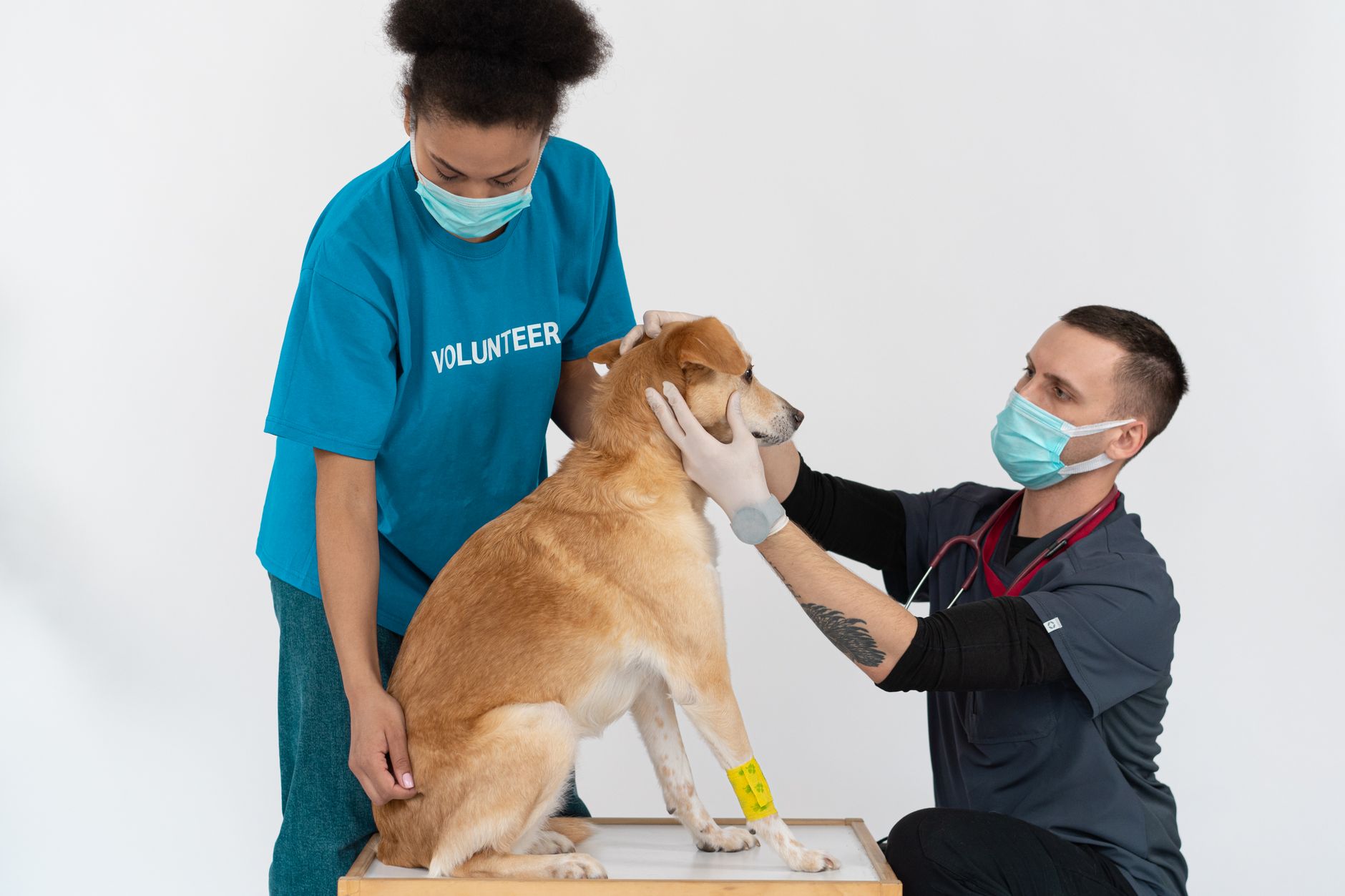
Conservation literature consistently demonstrates that people support protection of animals and habitats they feel emotionally connected to. Individuals who experienced meaningful wildlife encounters prove more likely to support conservation funding, make environmentally conscious choices, and engage in conservation activism. Zoo visits create these emotional connections, transforming abstract understanding of endangered species into personal concern for individual animals. Visitors leave zoos with emotional investment in animal welfare and conservation.
This emotional motivation extends beyond zoos themselves. Visitors remember their experiences, share stories with others, and maintain interest in species and conservation long after leaving. Education programs offered by ZSL and similar organizations specifically design experiences to create lasting emotional connections that translate into conservation action.
Structured Learning Programs and Guided Experiences
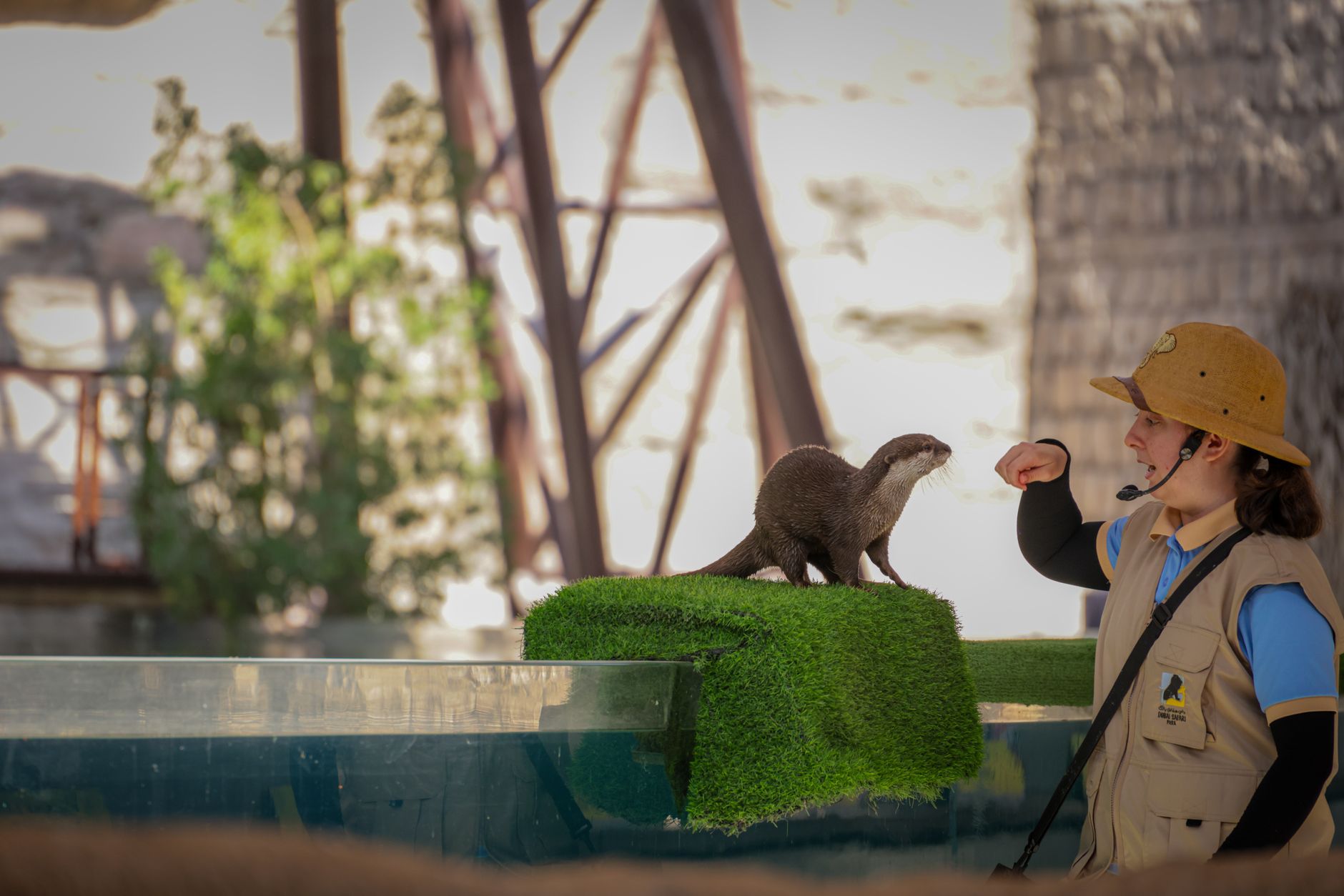
Modern zoos extend beyond casual observation into structured educational programs. Keeper talks, species demonstrations, and educational exhibits explain animal biology, ecology, and conservation status. Interactive programs enable visitors to participate in conservation-related activities—observing researchers, joining citizen science efforts, or learning about ongoing conservation work. These structured programs transform zoo visits into genuine learning experiences with measurable educational outcomes.
ZSL offers comprehensive educational programming for school groups, families, and individual visitors. Programs connect animal observation to broader ecological concepts, helping visitors understand species interconnections and conservation challenges. Visitors leave not just entertained but educated, with increased understanding of ecology and conservation importance.
School Programming and Youth Development
Zoo school programs reach enormous numbers of young people, providing educational experiences that influence environmental attitudes during formative years. Field trips to zoos consistently rank among students’ most memorable educational experiences. These experiences frequently inspire career interests in biology, conservation, veterinary science, and environmental fields. Many conservation professionals cite childhood zoo visits as inspiration for their career choices.
Youth development benefits extend beyond knowledge gain. Zoo experiences promote environmental stewardship, ecological literacy, and conservation ethics. Young people who develop understanding of endangered species and habitat importance during school visits often become lifetime conservation supporters. ZSL operates extensive school programming reaching hundreds of thousands of students annually, shaping conservation attitudes across generations.
Research and Scientific Collaboration
Zoo education extends to formal scientific education and research collaboration. University partnerships enable advanced students and researchers to conduct animal behavior studies using zoo populations. Zoo scientists publish research advancing understanding of animal cognition, reproduction, and health. This research directly supports conservation by improving understanding of species biology and informing conservation strategies. Zoo education includes not just visitors but also scientists, researchers, and educators globally.
ZSL collaborates with universities internationally, providing research opportunities and supporting scientific investigations advancing conservation knowledge. Zoo-based research contributes substantially to scientific understanding of endangered species, translating directly into improved conservation strategies.
Community Engagement and Local Economic Impact
Zoos serve as community anchors generating economic activity and creating local employment. Zoo workers—from researchers to educators to support staff—build careers in conservation. Communities hosting zoos benefit from visitor spending, job creation, and community programs. This economic impact means conservation becomes economically beneficial rather than extractive, supporting community prosperity alongside wildlife protection.
ZSL zoos employ thousands of people and generate millions in local economic activity, demonstrating that conservation can be economically valuable. By aligning economic interests with conservation goals, zoos help make conservation sustainable long-term.
Global Conservation Education
Zoo education extends globally through international programs, publications, and digital resources. Zoos produce educational materials reaching millions beyond direct visitors. Conservation messages broadcast globally help people understand distant species and support international conservation efforts. Zoo professionals travel internationally sharing expertise and training conservation workers in developing nations. This global education network extends zoo impact far beyond individual facilities.
ZSL operates international programs reaching countries with critical endangered species. By sharing expertise and resources globally, zoos support worldwide conservation efforts. A person in any country can engage with ZSL programming, learning about conservation and supporting global efforts.
Building Lifelong Conservation Support

Zoo education builds lifelong conservation supporters. People who develop strong environmental understanding and emotional connection to wildlife maintain these values across their lives. Parents who visited zoos as children bring their own children, extending conservation education across generations. This generational transmission of conservation values creates increasing numbers of conservation-oriented citizens globally.
Through education initiatives, ZSL builds a global community of conservation supporters. From school children taking first field trips to retired adults volunteering their time, zoo education creates conservation ambassadors worldwide. This distributed global network of informed, motivated supporters provides the foundation upon which conservation success depends.