Wildlife conservation faces unprecedented challenges as habitat destruction, climate change, and human activity threaten species extinction at unprecedented rates. Yet conservation organizations working globally demonstrate that coordinated action, scientific expertise, and dedicated funding can reverse decline and restore species to thriving populations. Modern zoos represent far more than entertainment venues—they function as critical conservation centers where expertise, resources, and breeding programs work to preserve species facing extinction. ZSL (Zoological Society of London) exemplifies this approach, combining scientific research, breeding programs, and field conservation to protect wildlife globally. Understanding how modern conservation works reveals the genuine impact these organizations create.
The Extinction Crisis and Conservation Urgency
Scientists estimate that species are going extinct at rates between one hundred and one thousand times higher than natural background extinction rates. Habitat loss drives much of this extinction—forests become agricultural land, wetlands transform into development zones, and natural ecosystems shrink under human pressure. Additionally, climate change alters the conditions species evolved to thrive in, making historical habitats unsuitable. Poaching removes individuals from wild populations, sometimes driving species to brink of extinction through direct killing.
Facing these challenges, conservation organizations recognize that saving species requires multifaceted approaches. ZSL combines breeding programs maintaining genetic diversity, field research understanding species needs, habitat protection efforts, anti-poaching patrols, and community engagement supporting conservation locally. No single approach solves extinction risk—instead, coordinated action addressing multiple threats provides genuine protection.
Breeding Programs and Genetic Management
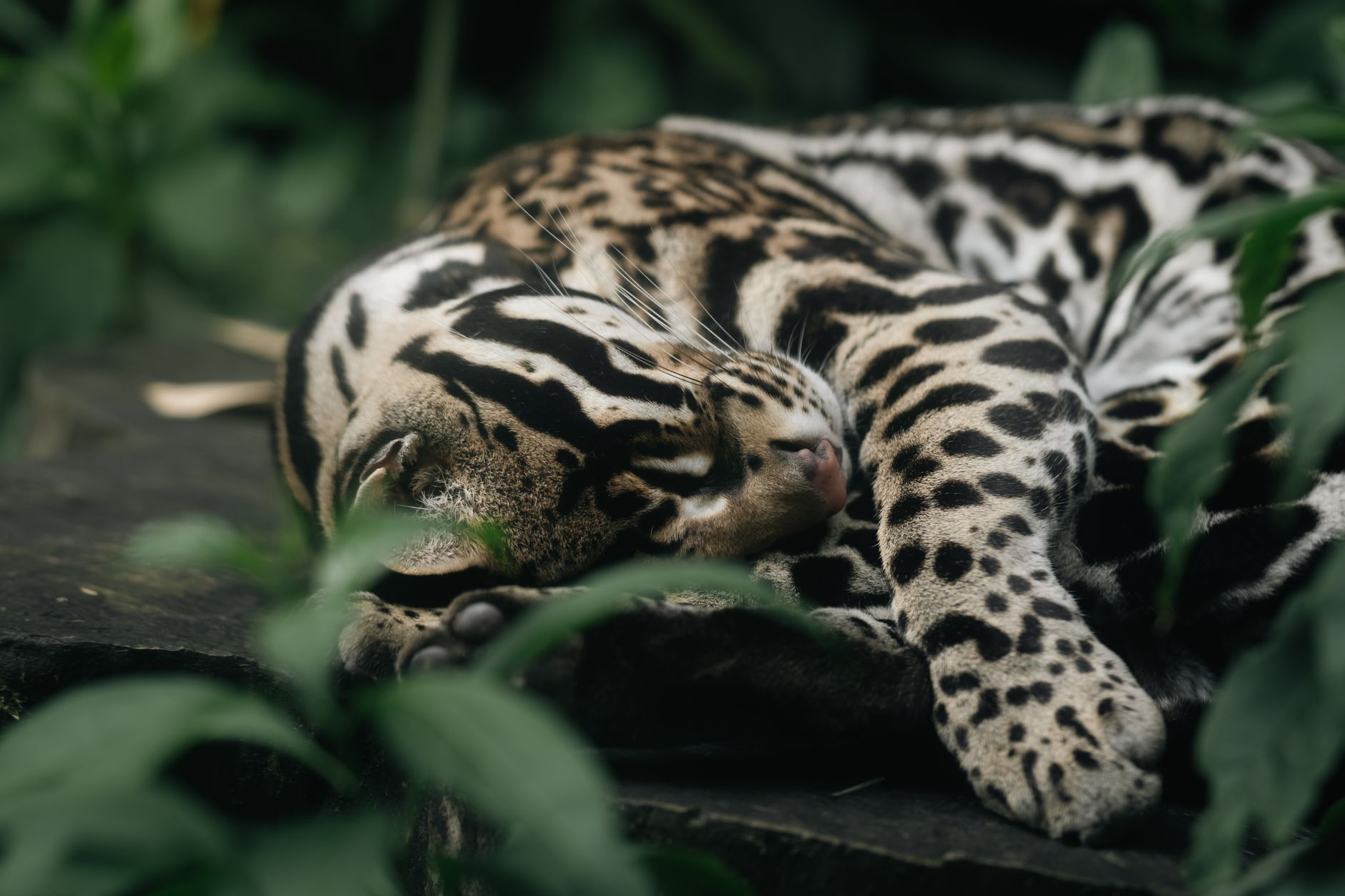
One critical conservation tool involves carefully managed breeding programs maintaining genetic diversity in species populations. When wild populations dwindle to dangerously low numbers, remaining individuals may carry limited genetic variation, reducing resilience and reproduction success. Zoos coordinate breeding programs across institutions, maintaining detailed genetic records and carefully selecting which animals breed to maximize genetic diversity. This scientific approach prevents the genetic collapse that threatens small populations.
ZSL manages breeding programs for numerous endangered species, from Arabian oryx to Philippine eagles. These programs maintain populations that would otherwise go extinct, preserving genetic material and allowing potential future reintroduction to wild habitats. Animals bred in zoos have successfully reestablished wild populations of several species, demonstrating breeding programs’ genuine conservation value.
Field Research and Species Understanding
Conservation requires deep understanding of species biology, behavior, habitat needs, and threats. Zoo-based scientists conduct research on both captive and wild populations, advancing understanding of species ecology and conservation needs. This research informs habitat protection strategies, anti-poaching efforts, and community engagement programs. Without scientific understanding, conservation efforts often address symptoms rather than root causes, proving ultimately ineffective.
ZSL maintains active research programs studying species in their natural habitats. Scientists work in remote locations understanding endangered animal behavior, population dynamics, and ecological relationships. This research directly supports conservation strategy, helping identify which protection efforts will prove most effective for specific species and regions.
Habitat Protection and Ecosystem Conservation
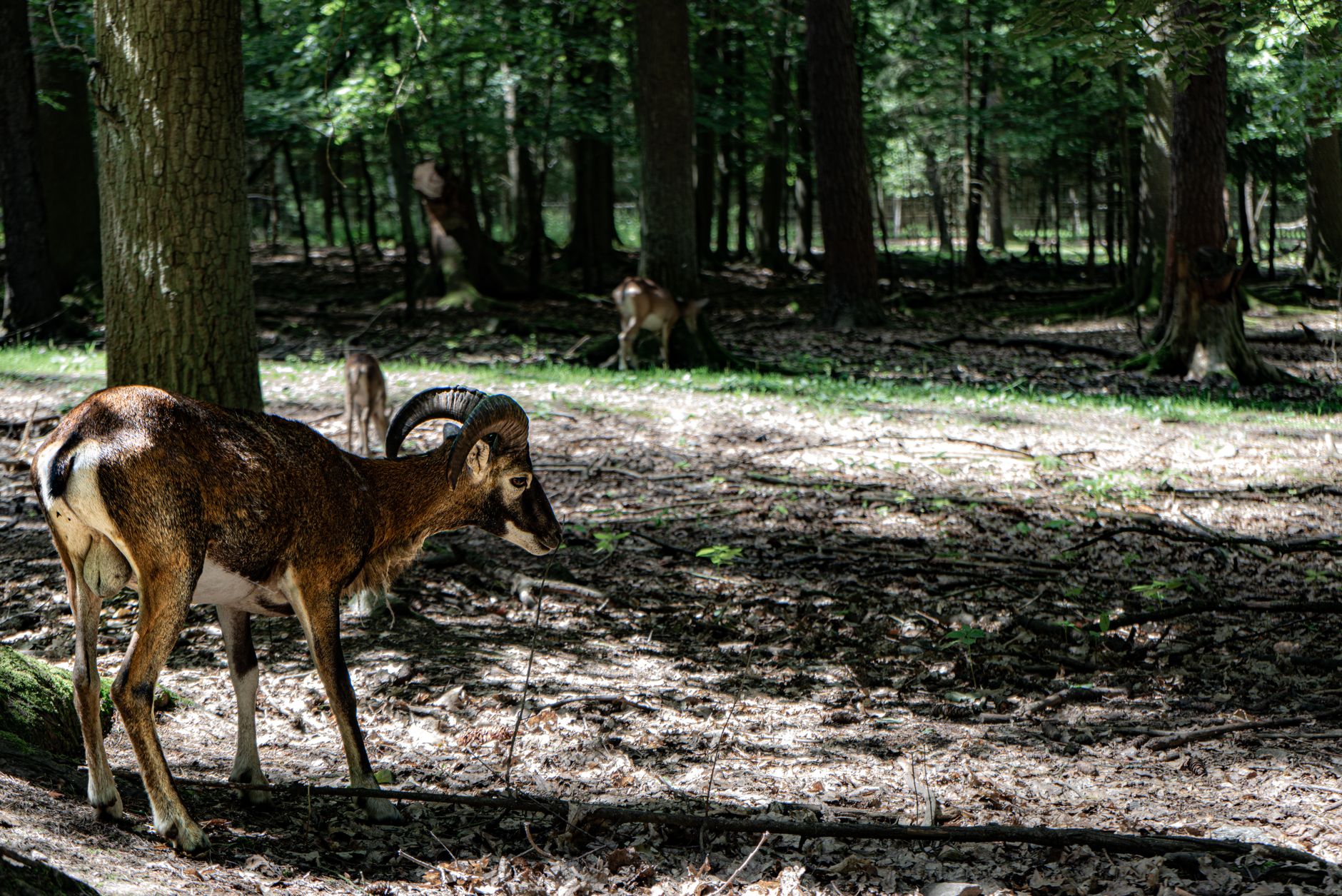
Species cannot survive without suitable habitat. Conservation organizations increasingly focus on protecting and restoring ecosystems where multiple species thrive together. Rather than saving individual species in isolation, ecosystem conservation recognizes that species depend on complex relationships with other organisms and environmental conditions. Protecting forests, wetlands, coral reefs, and grasslands preserves entire ecosystems supporting numerous species.
ZSL works globally protecting critical habitats—rainforests where species like jaguars and poison dart frogs thrive, coastal areas supporting sea turtles and marine mammals, and grasslands sustaining grazing mammals. By protecting habitat, organizations save not just individual species but entire ecosystems. This approach proves more efficient than attempting to save single species without addressing habitat loss.
Anti-Poaching Patrols and Wildlife Law Enforcement
Poaching represents a direct extinction threat for numerous species. Rhinos hunted for horns, elephants killed for ivory, and pangolins trafficked for scales face extinction if poaching continues unchecked. Conservation organizations fund anti-poaching patrols protecting threatened species in their natural habitats. These patrols work with local communities and governments to prevent illegal hunting and trafficking, protecting species from direct persecution.
ZSL supports anti-poaching efforts in multiple countries, funding ranger patrols, technology systems, and community-based protection programs. These efforts directly prevent animal deaths and reduce financial incentives for illegal hunting, protecting wild populations from catastrophic decline.
Community Engagement and Local Conservation
Successful conservation requires local community support. Communities living near endangered species must see conservation as beneficial rather than constraining. Organizations like ZSL engage communities through education programs, employment opportunities, and direct benefit sharing. By involving local people as conservation partners rather than obstacles, conservation efforts become sustainable and culturally appropriate.
Community engagement includes environmental education helping people understand conservation importance, training programs developing local conservation expertise, and economic programs supporting livelihoods through conservation rather than through habitat destruction. When communities benefit from protecting wildlife, conservation becomes locally supported and globally meaningful.
Education and Public Awareness
Conservation depends on public understanding and support. Zoos serve critical education functions, helping millions understand animal biology, ecological relationships, and extinction threats. Zoo visitors develop emotional connections to animals and species, increasing likelihood they will support conservation efforts globally. Through education, zoos build the public support necessary for conservation success.
ZSL zoos welcome millions of visitors annually, providing interactive experiences connecting people with wildlife. Educational programs help visitors understand species conservation status, learn about threats, and discover how they can support protection efforts. This education work extends conservation impact far beyond the organization itself.
Success Stories and Hope for the Future
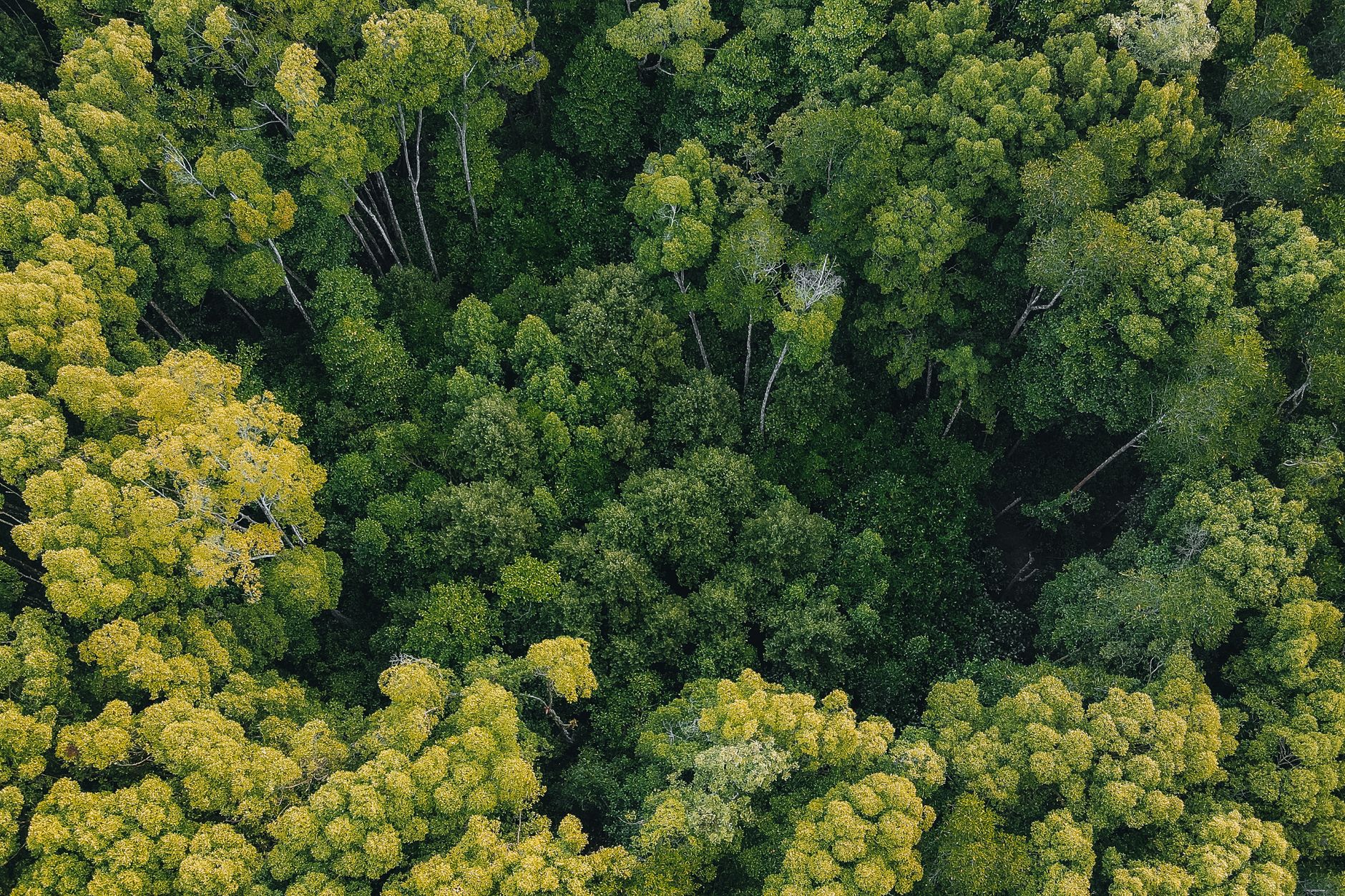
Conservation efforts demonstrate genuine success. Arabian oryx, extinct in the wild but maintained in zoo breeding programs, have been successfully reintroduced to Arabian habitats. California condors, Philippine eagles, and other species brought back from near-extinction brinks now have growing wild populations. These successes prove that coordinated conservation action works. Species need not be lost to extinction—with sufficient effort, resources, and commitment, decline can be reversed and populations restored. Through organizations like ZSL, humanity possesses the tools and knowledge to protect wildlife for future generations.