The rise of fast fashion has normalized replacing clothing seasonally, treating garments as disposable commodities rather than investments. Yet this approach creates environmental waste, financial inefficiency, and paradoxically, less satisfying wardrobes. Quality casual wear represents an antidote to this mindset—investing in pieces that last years rather than seasons, that improve with wear, and that ultimately provide better value. Understanding why quality matters in casual clothing, recognizing what defines quality, and developing the ability to identify quality pieces transforms how you approach wardrobe building. Weird Fish exemplifies quality casual wear, demonstrating that comfort and durability need not conflict. This comprehensive guide reveals why quality casual wear deserves your investment.
Understanding the True Cost of Fast Fashion Alternatives
Fast fashion appears affordable until you calculate the true cost of constant replacement. A poorly made t-shirt that costs five pounds but lasts two months ultimately costs much more than a quality t-shirt at twenty-five pounds lasting two years. When you factor in the time spent shopping for replacements, the decision fatigue of constantly building new outfits, and the emotional dissatisfaction with garments that never quite fit right, cheap clothing proves far more expensive than it initially appears.
Beyond personal cost, fast fashion’s environmental impact is severe. Cheap clothing typically uses resource-intensive production methods, synthetic fabrics that shed microplastics, and chemical processes that pollute water and soil. Garments designed for brief lifespan end up in landfills or incinerated, wasting the resources invested in their creation. Quality casual wear from Weird Fish uses durable fabrics and construction methods designed for longevity, reducing your environmental impact significantly.
Identifying Quality in Casual Clothing
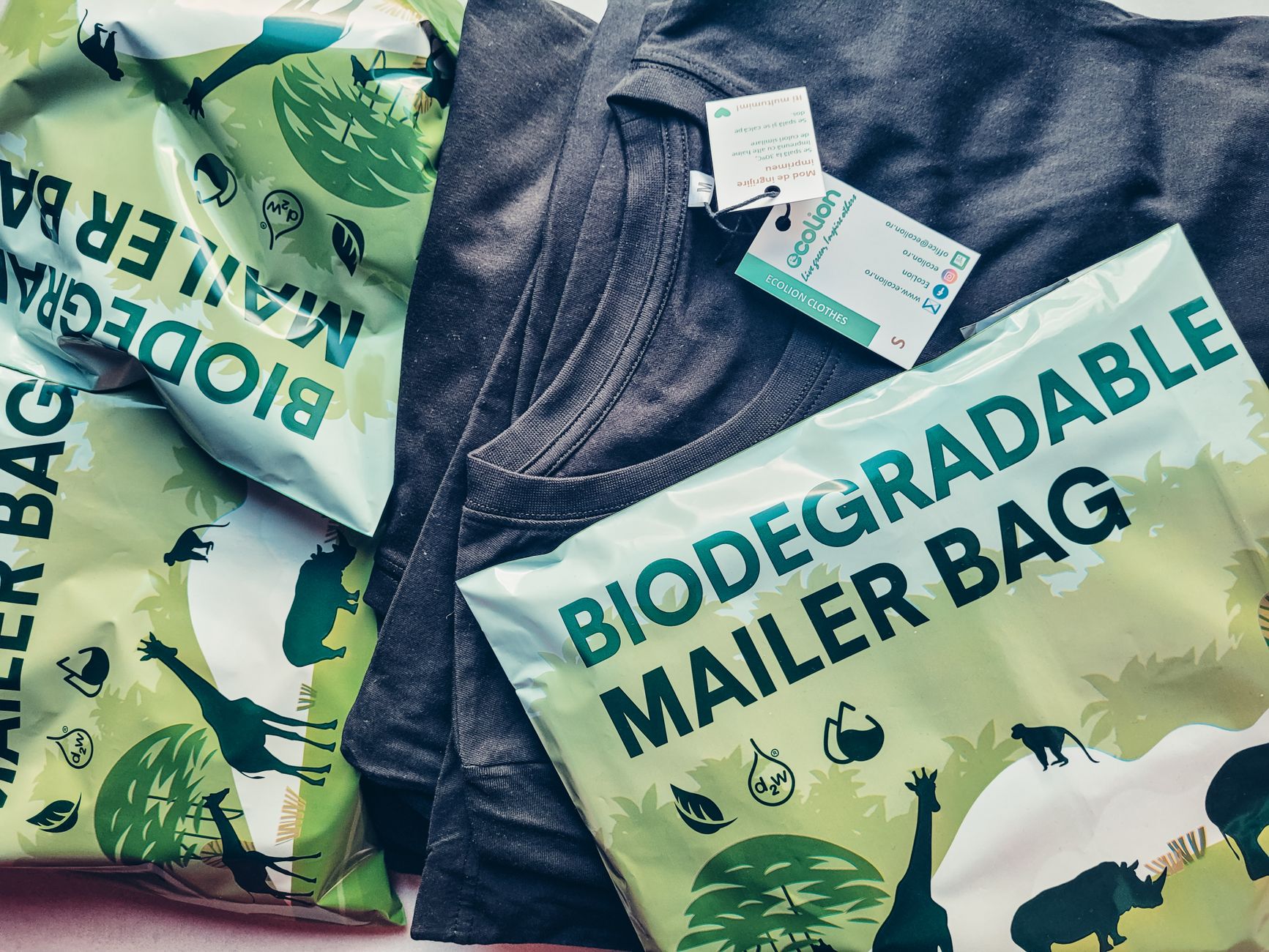
Quality casual wear exhibits specific characteristics distinguishable once you know what to look for. Examine fabric construction closely—quality pieces use natural fibers or high-quality blends that feel pleasant against skin and durably withstand repeated washing. Check seam construction; quality pieces use sturdy stitching with appropriate thread color and density. Examine hems and finishing details; quality pieces have neat, secure finishing rather than loose threads or messy construction. Look at how pieces are cut; better quality includes more precise cutting and attention to grain alignment.
Feel the fabric’s weight and drape—quality pieces use appropriately heavy fabrics that hang well rather than cheap synthetic materials that feel plastic-like or flimsy. Check how dyes are applied; quality pieces have even color throughout rather than uneven dyeing. When shopping at Weird Fish, these quality indicators show throughout their casual wear collection, from basic t-shirts to layering pieces.
Durability Through Superior Fabric Selection
The fabric you choose directly determines how long your casual wear will last. Natural fibers like cotton, linen, and wool age beautifully, often improving with time as they soften and develop character. Quality cotton garments become softer with every washing, improving rather than degrading over time. Wool pieces develop a subtle patina that enhances their appearance. Linen becomes increasingly comfortable as it softens. These natural fibers prove far more sustainable than synthetics that never truly wear in and eventually shed into landfills.
Quality fabric blends combining natural fibers with small percentages of elastane or other stretches provide comfort without sacrificing durability. Weird Fish prioritizes fabric quality throughout their casual collection, understanding that the fabric itself determines whether a piece becomes a wardrobe staple or disposable fast fashion.
Construction Methods That Ensure Longevity
How garments are sewn determines their durability significantly. Quality construction uses appropriate seam types for different areas—flat seams for areas experiencing stress, French seams for delicate areas, and substantial stitching throughout. Check that seams are symmetrical and straight rather than wobbly or uneven. Quality pieces often use double-stitching on stress points like underarm seams and hem lines, preventing seam failure even with years of wear. Additionally, quality construction includes proper finishing of raw edges, preventing fraying and unraveling.
Examine how hems are finished—quality pieces use appropriate hem types for different fabrics and situations. A too-tight hem prevents proper movement, while a too-loose hem fails quickly. Check that buttons are securely attached with appropriate thread and reinforced stitching on the button’s underside. Buttonholes should be neatly finished with appropriate stitching. These details seem minor until you realize that a security button or failing seam can render an otherwise perfect garment unusable.
Investment Pieces That Justify Higher Price Points
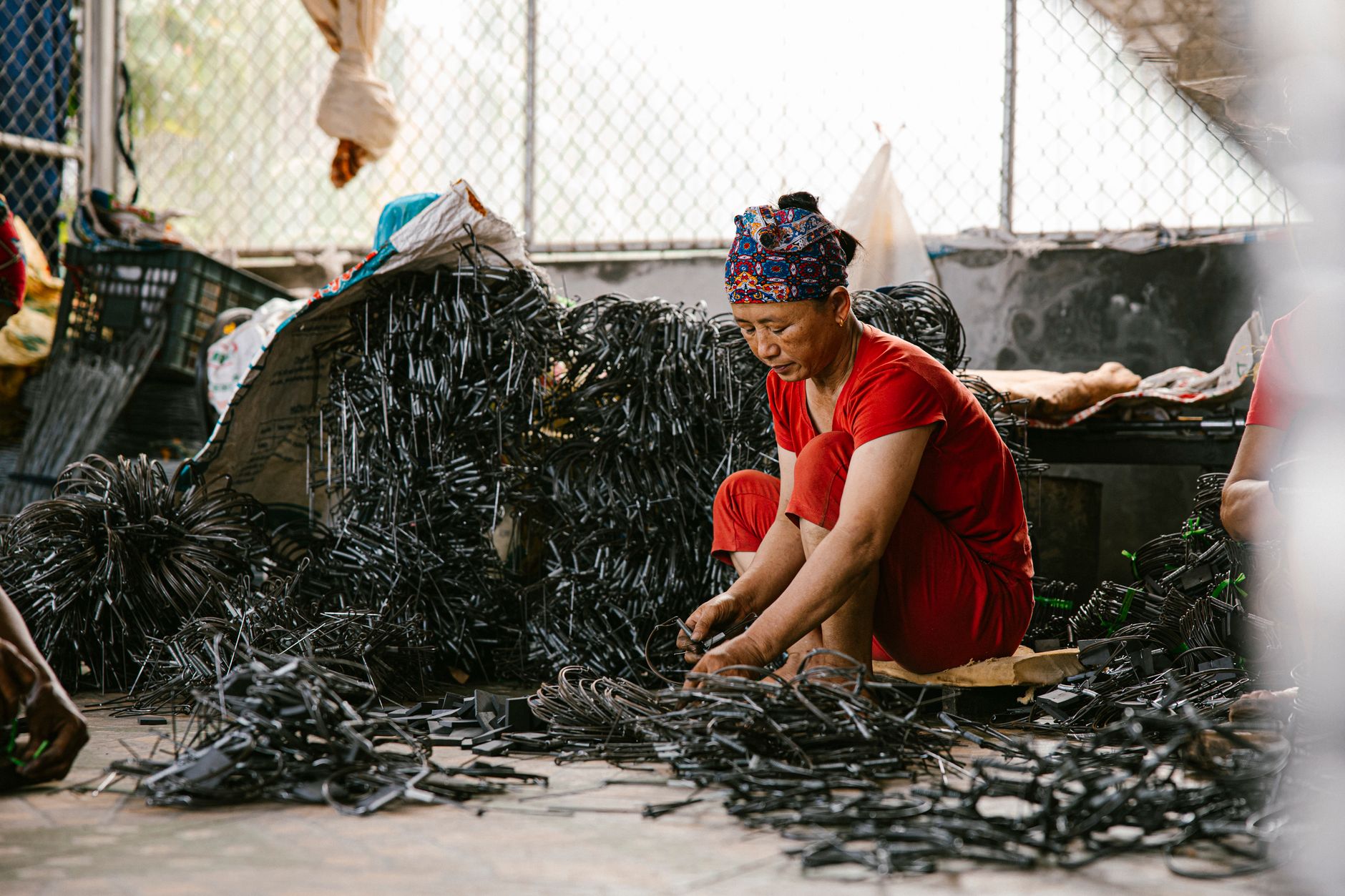
Quality casual wear often costs more upfront, but this investment proves financially wise when you calculate cost-per-wear over the garment’s lifespan. A twenty-pound fast fashion sweater worn twice before degrading costs ten pounds per wear. A quality sweater costing fifty pounds worn a hundred times over multiple years costs only fifty cents per wear. Over a lifetime, quality pieces prove far cheaper than fast fashion alternatives despite higher initial price.
Beyond financial logic, quality pieces provide psychological benefits. Wearing well-made clothing that you genuinely love feels more satisfying than constantly settling for mediocre fast fashion. You develop attachment and care for quality pieces, washing them thoughtfully and storing them properly. This mindfulness extends their lifespan further while increasing your satisfaction with your wardrobe.
Sustainability Through Longevity
The most sustainable garment is one worn repeatedly for years rather than discarded after brief use. Quality casual wear achieves this sustainability through durability and timeless design. Pieces that remain comfortable and appropriate across multiple years and seasons avoid obsolescence. Weird Fish focuses on timeless casual designs that remain appropriate indefinitely rather than trend-driven styles that feel dated within seasons.
Choosing quality also often aligns with ethical production practices. Companies willing to invest in quality construction typically also invest in fair labor practices and responsible sourcing. Your purchase supports these values and encourages broader industry shift toward sustainability and responsibility.
Building a Quality Casual Wardrobe Intentionally
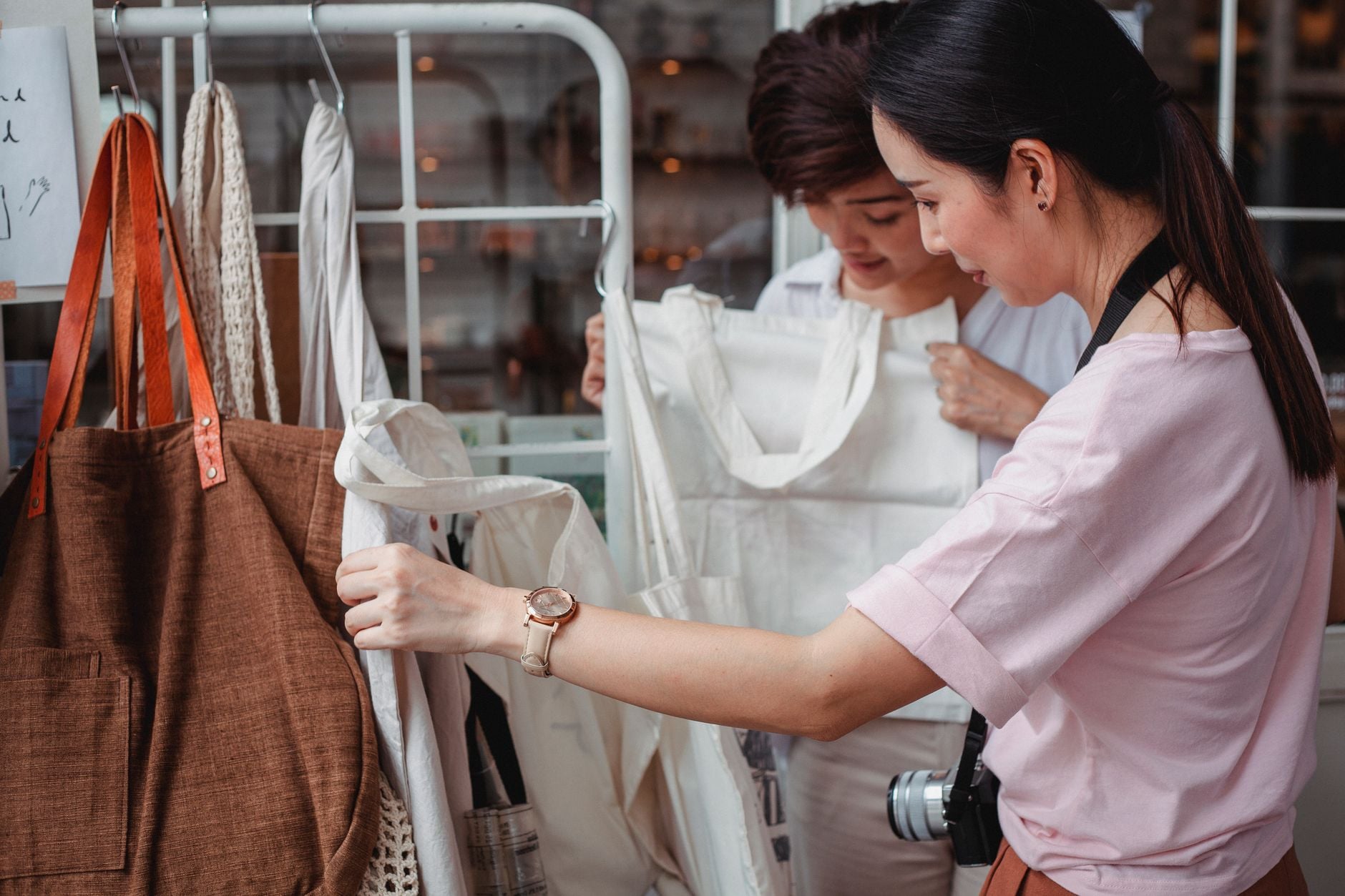
Transitioning to quality casual wear requires different shopping approaches. Rather than purchasing multiple items frequently, purchase fewer items more thoughtfully. Before buying, ask whether this piece genuinely fits your life, whether it coordinates with your existing wardrobe, whether you will actually wear it regularly. Choose pieces in timeless styles and versatile colors that remain appropriate across years. Invest in brands like Weird Fish that prioritize quality and longevity.
Care for your quality pieces intentionally to maximize their lifespan. Wash appropriately for the fabric type, repair small issues before they become major problems, and store thoughtfully to prevent damage. This mindful approach to wardrobe building and care ensures your clothing remains satisfying and wearable across years. You will find that a smaller wardrobe of quality pieces provides more outfit possibilities and greater satisfaction than numerous fast fashion alternatives.