

Broadway represents the pinnacle of American theater, offering world-class performances that captivate millions of visitors and residents each year. Whether you are a first-time theatergoer or a seasoned Broadway enthusiast, planning your theater experience thoughtfully ensures you maximize enjoyment and create lasting memories. From selecting the right show to understanding theater etiquette to making the most of your evening, this guide walks you through every aspect of enjoying Broadway theater at its finest. Broadway Direct makes planning and booking your Broadway experience easier than ever.
Choosing the Right Show for Your Experience
Broadway offers an extraordinary range of productions, from classic musicals and plays to innovative new works. Your choice depends on your preferences, interests, and what you hope to experience. Classic musicals like “The Phantom of the Opera” and “The Lion King” offer timeless entertainment and spectacular staging. Contemporary shows provide fresh perspectives and current cultural commentary. Dramatic plays deliver powerful storytelling without musical elements. Comedy shows offer laughter and entertainment. Before selecting a show, read reviews, watch trailers, and consider what resonates with your interests.
Consider the show’s duration, themes, and content warnings before purchasing tickets. Some productions run over three hours, while others are closer to two. If you are attending with children, verify that the show is age-appropriate. Check whether the production contains mature themes, intense scenes, or elements that might not suit your comfort level. Broadway Direct provides detailed show descriptions and recommendations to help you choose the perfect production.
Understanding Theater Seating and Views
Broadway theaters offer a range of seating options, each with distinct advantages and considerations. Orchestra seating, located on the main floor directly facing the stage, provides the most immersive experience and is typically more expensive. Mezzanine seating in the second level still offers excellent views, often at a lower price point. Balcony seating is the most affordable option but may feel distant from the stage. Some theaters have restricted view seats, which offer limited sightlines but are significantly cheaper. Understanding seating categories helps you choose seats that match your budget and preferences.
When booking, consider your priorities. If you want maximum immersion and close-up views, orchestra seats may justify the investment. If you prefer value, mezzanine seats often represent the best balance of view quality and cost. Research the specific theater’s layout before booking, as sightlines vary considerably between venues. Aisle seats offer easier access and bathroom trips, which becomes relevant during longer productions. Broadway Direct provides detailed seating maps to help you visualize exactly what view you will receive.
Timing Your Broadway Visit for Maximum Enjoyment

Selecting when to see a Broadway show affects both availability and the experience itself. Weekday matinees typically draw fewer crowds and are less expensive than evening performances. Weekend shows are busier and pricier but offer the energy of enthusiastic audiences. Tuesday and Wednesday evenings are often the least crowded, making these excellent choices if you prefer a more relaxed atmosphere. Tourist season from June through August brings larger crowds and higher prices, while fall and spring offer more availability and sometimes better pricing.
Plan to arrive early enough to explore the theater district and settle into your seats without rushing. The theater experience includes the anticipation and energy of the crowd as curtain approaches. Arriving early allows you to soak in the atmosphere, grab a program, and prepare mentally for the performance. Many theatergoers enjoy exploring nearby restaurants for a pre-show dinner or drinks, which adds to the overall Broadway experience. Give yourself enough time to navigate from your parking location or transit stop without stress.
Broadway Theater Etiquette and Conduct
Theater etiquette reflects respect for the performers and fellow audience members. Arrive by curtain time—arriving late often means waiting for an appropriate moment to be seated, which disrupts both the performers and adjacent patrons. Silence your phone completely before entering the theater, as even vibration sounds prove distracting. Never film or photograph the performance, which violates copyright and creates distractions with camera flashes and screens. Remove hats before the show begins to avoid obstructing other patrons’ views. Refrain from talking during the performance, even during moments you find less engaging.
Avoid strong colognes or perfumes, which can be overwhelming in the enclosed theater environment. Similarly, eating strong-smelling foods during the performance proves distracting. Some theaters allow outside food, but typically not strong-smelling items. Respect the armrest boundaries and avoid sitting too close to your neighbors. Applaud enthusiastically during appropriate moments—after major musical numbers and at the conclusion of the performance. If you truly do not enjoy a performance, sit respectfully and professionally rather than expressing displeasure audibly.
Enhancing Your Broadway Experience
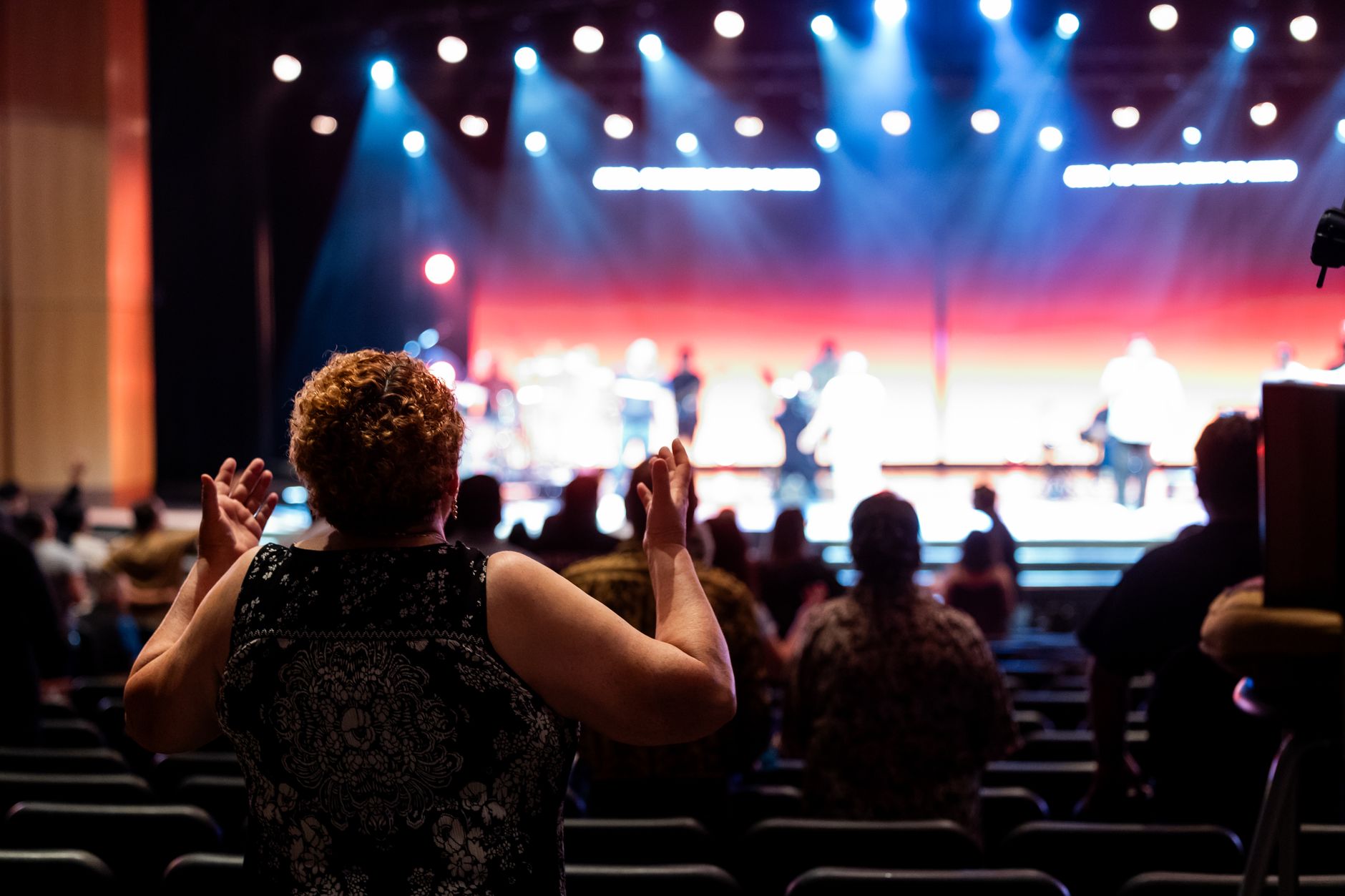
Consider enhancing your Broadway visit with pre- and post-show activities. Many theatergoers enjoy dining at highly-rated restaurants near the theater district before the show. After the performance, exploring nearby bars or restaurants extends the theatrical excitement and allows you to process what you experienced. Some popular restaurants and lounges specifically cater to theater audiences, offering convenient locations and quick service. A few theaters offer stage door experiences where you can meet cast members after the show—an unforgettable moment for many theatergoers.
Purchase a Playbill—the program provided at theaters—as a keepsake. Playbills serve as tangible reminders of your experience and include fascinating information about the production, cast, and creative team. Many theatergoers collect Playbills from shows they have seen. If you particularly enjoy a show, consider attending again to sit in different seats and notice new details, or recommend the show to friends and family so they can experience the same joy.
Making Your Broadway Visit Memorable
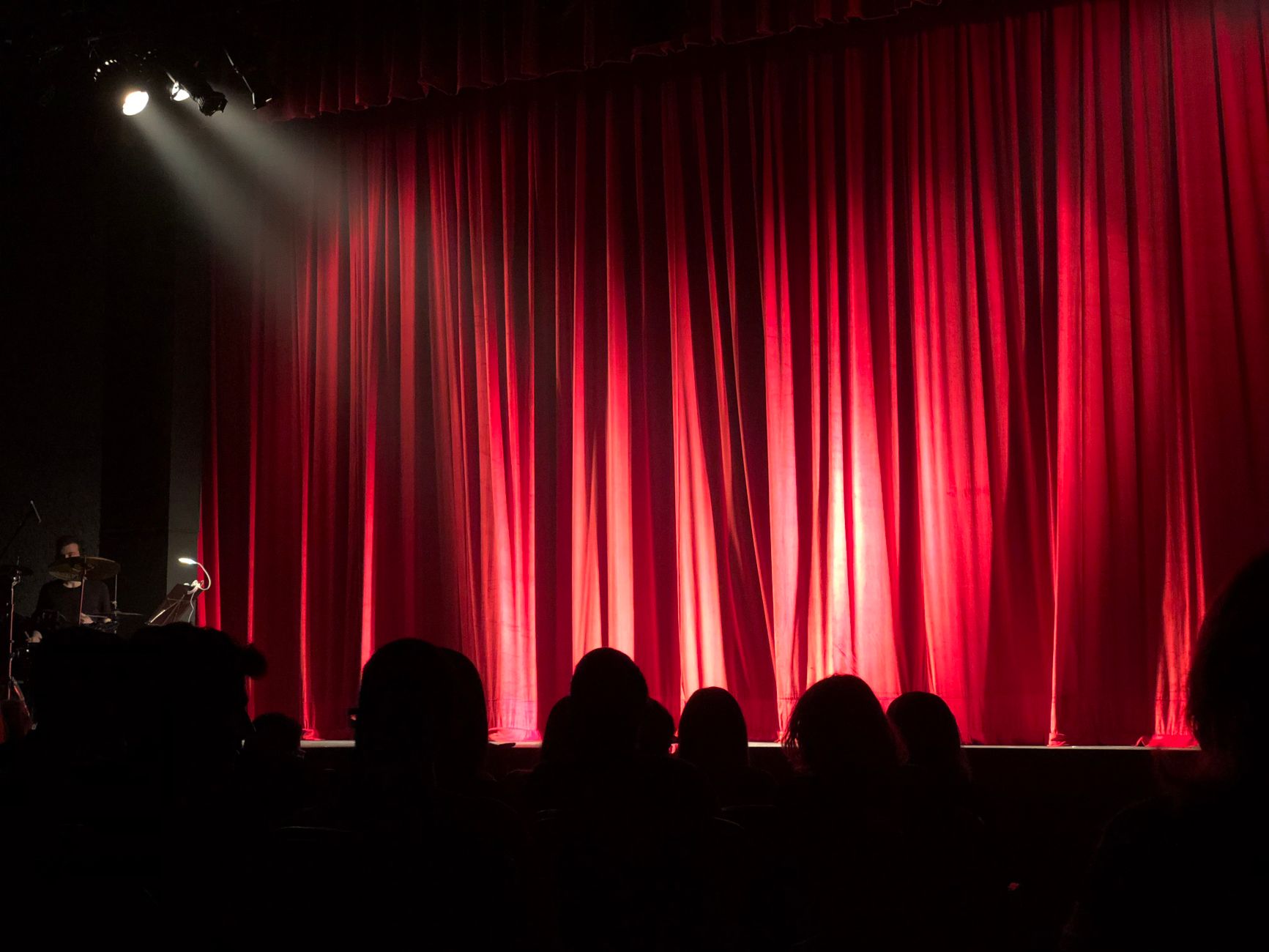
A Broadway theater experience transcends the show itself—it represents time away from daily stress, immersion in compelling storytelling, and participation in a thriving cultural tradition. Approach your visit with openness and enthusiasm, even if some moments surprise you. Sometimes shows you expect to dislike prove surprisingly moving, and anticipated favorites might leave you wanting. Trust in the experience and remain present throughout the performance. After the show concludes, take time to reflect on what you witnessed. Discuss the production with companions, read reviews after you have formed your own opinion, and consider what aspects resonated most powerfully. By approaching Broadway thoughtfully, you create experiences that remain meaningful long after curtain call.