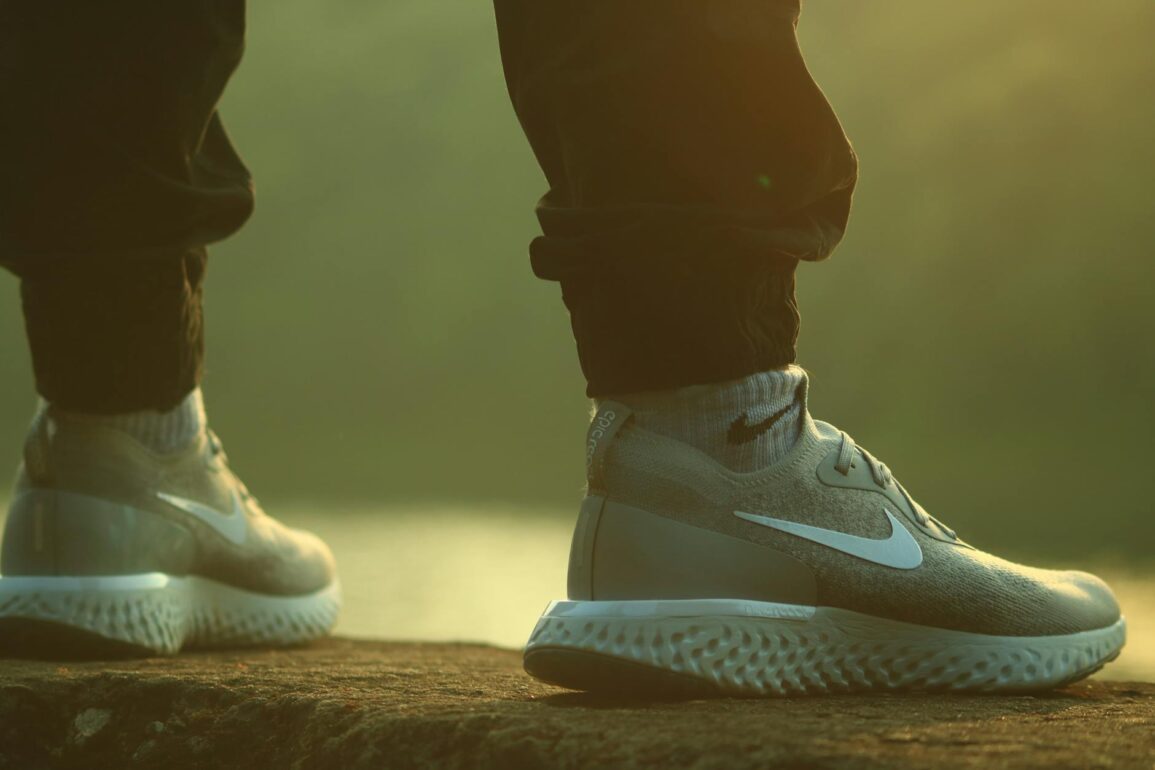
The shift from conventional running shoes to barefoot footwear is one of those quiet revolutions that changes how you move through the world. You don’t need to be a trail runner or a health optimization enthusiast to benefit from it. Barefoot shoes work for the daily walk to the coffee shop, the hike through the local park, and everything in between. The moment you make the switch, you’ll discover that shoes don’t need to be bulky to be functional, and simplicity often outperforms complexity.
Why Conventional Shoes Don’t Match How Your Body Actually Moves
For decades, shoe manufacturers built their designs around the theory that feet need maximum cushioning and rigid support. This approach gave us foam-heavy sneakers and gel-packed running shoes that, while feeling soft underfoot, actually prevented your feet from doing their job. Your foot isn’t a passive structure that needs to be protected from the ground—it’s an active system of 26 bones, 33 joints, and over 100 muscles and tendons. When you shove it into a thick-soled, stiff shoe, you’re essentially putting your foot in a cast. Yes, it might feel comfortable for a little while, but the long-term cost is weakness, imbalance, and chronic pain.
The Simplicity of Barefoot Shoe Design
Barefoot shoes seem almost shockingly simple compared to what you see on store shelves. They’re thin-soled, flexible, and minimal. There’s no cushioning to compress and degrade over time, no elaborate support systems to fail. Just a thin layer of protection between your foot and the ground, a flexible upper that moves with your foot, and room for your toes to splay naturally. This simplicity isn’t a limitation—it’s the entire point. Brands like groundies.com have spent years refining barefoot shoe construction to nail the essentials: durability without bulk, protection without cushioning, and style without unnecessary weight. The result is footwear that actually responds to how your body moves rather than forcing your body to adapt to the shoe.
The Shift from Heel-Striking to Natural Gait
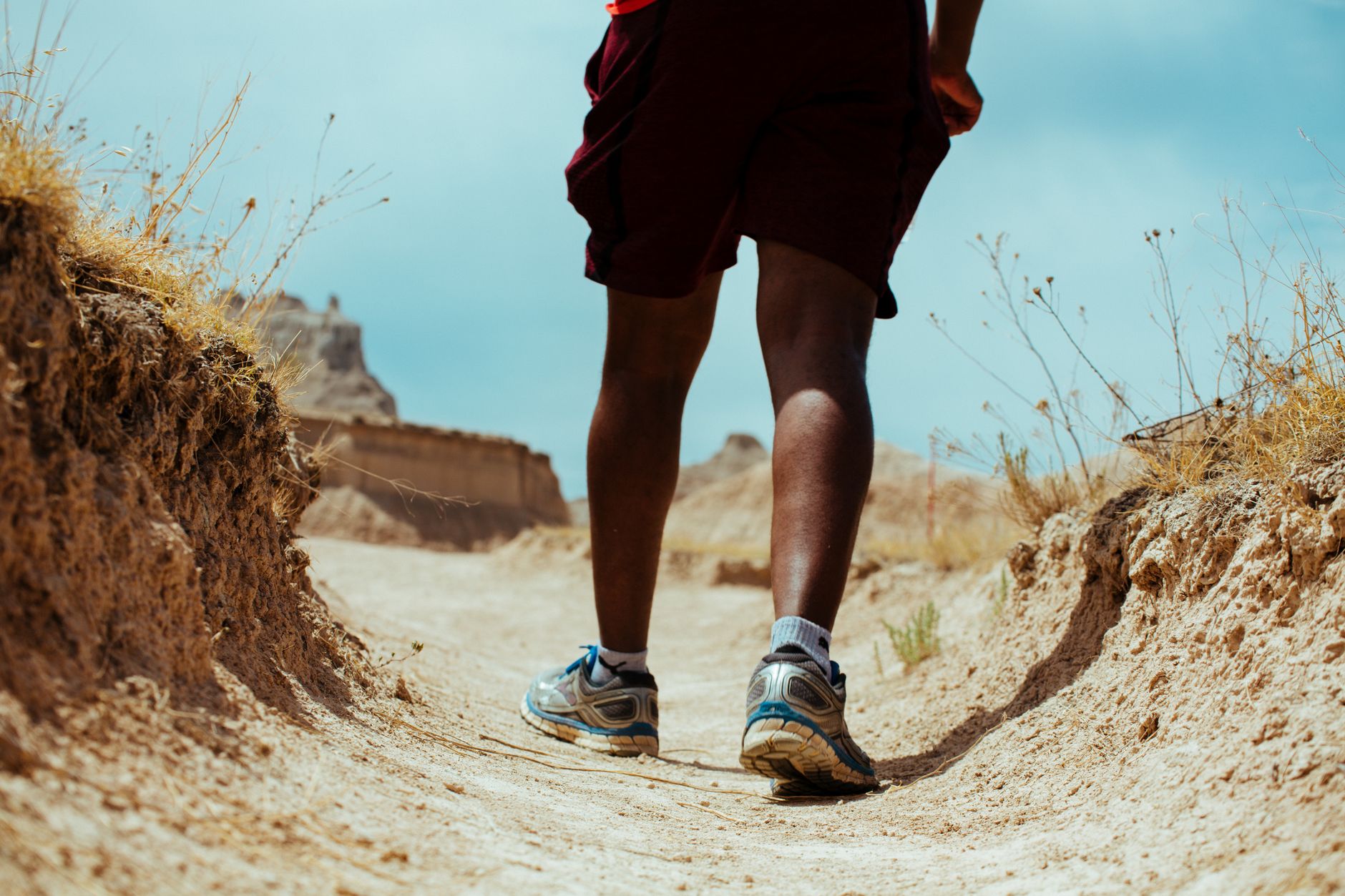
One of the most dramatic changes when you transition to barefoot shoes is how your gait transforms. In thick-soled conventional shoes, your heel hits the ground with significant force, a pattern called heel-striking. Your body uses massive impact absorption to handle this jarring contact. Barefoot shoes, by contrast, encourage a midfoot or forefoot landing pattern because that’s what feels natural when you’re not wearing padding. You land lighter, your body absorbs impact through your entire foot and leg rather than concentrating it on your heel, and your movement becomes more efficient. After a few weeks, this new gait feels completely normal. When you slip back into conventional shoes, they feel clumsy by comparison.
Building Resilience, Not Dependence
The small muscles in your feet—the ones that make up your arches, flex your toes, and control fine movements—atrophy inside conventional shoes. When you switch to barefoot shoes from groundies.com, these muscles have to wake up and do their job again. This process takes a few weeks, and yes, you’ll feel it—your arches might be sore, your calves might be tight as they adjust to a lower heel drop, and you’ll notice muscles you didn’t know existed. But here’s the key: this adaptation makes you more resilient, not less. Your feet become stronger, your balance improves, and you’re less prone to injuries like sprains and stress fractures. You’re building actual foot strength rather than becoming dependent on external support structures.
Barefoot Shoes for Every Surface and Season
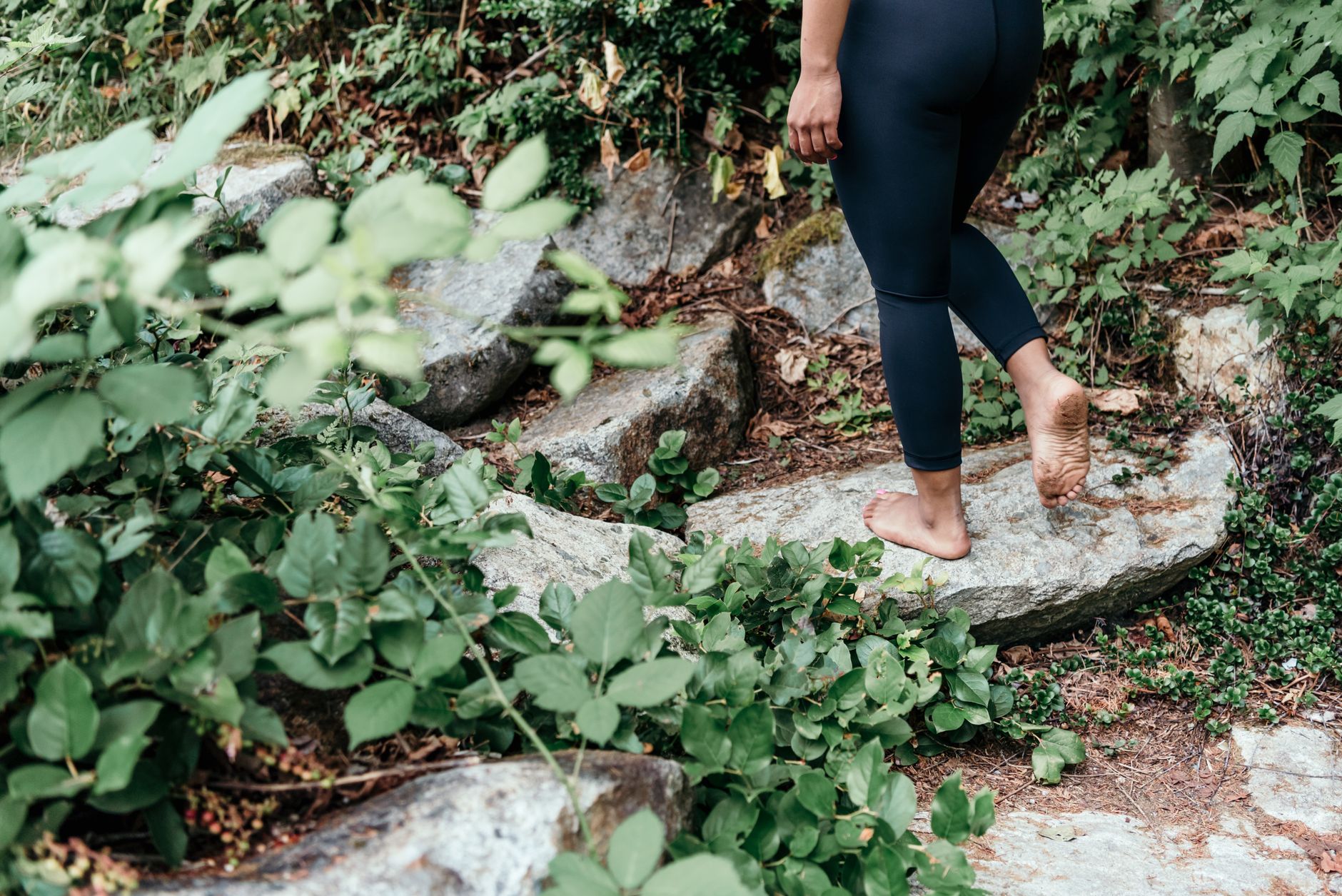
One common misconception is that barefoot shoes only work for smooth, manicured surfaces. In reality, modern barefoot footwear handles everything from city pavement to dirt trails to mild rock scrambling. The key is choosing a style suited to your primary environment. Urban commuters need something sleek that looks good with casual clothes. Serious hikers want a bit more protection on the sole. Trail runners need aggressive tread and a snug fit. groundies.com makes models across this entire spectrum, so you’re not limited to a single shoe type. You can own an everyday minimal sneaker, a trail version, and maybe a dressier option for work, all with the same barefoot philosophy. Season to season, surface to surface, your feet work the same way—and barefoot shoes let them.
The Unexpected Benefits: Balance, Proprioception, and Presence
Beyond the physical improvements in foot strength and gait efficiency, barefoot shoes change how present you are while moving. When your feet are receiving constant sensory feedback from the ground, your nervous system is engaged. You notice the texture under your feet, the subtle slope of a trail, the slight uneven spot on the sidewalk. This heightened awareness isn’t just interesting—it makes you safer. You’re less likely to trip or roll an ankle because your body is processing real-time information about terrain. Your balance improves, your proprioception sharpens, and walking becomes an active, mindful experience rather than something you do on autopilot. Many people who switch to barefoot shoes report that they naturally walk more and move with more intention, simply because movement feels better.
Making the Permanent Switch
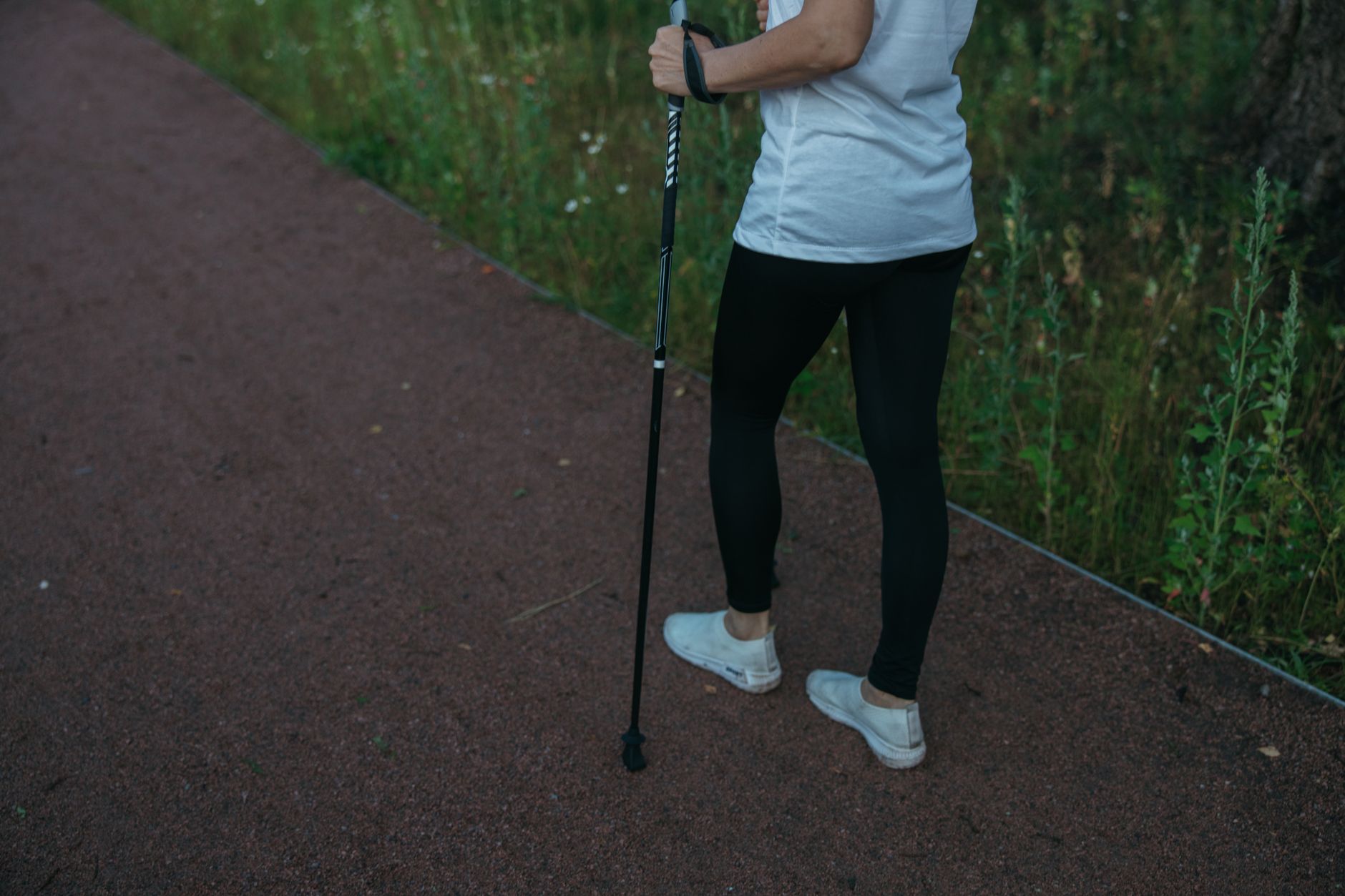
The transition to barefoot shoes is less about forcing yourself into discomfort and more about gradually allowing your feet to become what they’re designed to be. Start with short walks in your barefoot shoes—fifteen to thirty minutes—and gradually build from there. Give yourself at least three to four weeks before judging whether they’re right for you, because that’s how long the adaptation typically takes. Wear them on your daily walks, around town, on easy hikes. Feel how your body responds. After a month, most people find that conventional shoes feel foreign and restrictive, and they never want to go back. When you’re ready to commit, groundies.com offers styles for every scenario, making the switch from conventional to barefoot shoes seamless and sustainable.
The best footwear is the kind you forget about while walking, the kind that does its job without making you aware it’s there. Barefoot shoes achieve this by working with your foot’s natural design rather than against it. Once you experience movement in shoes that respect how your body actually works, the overcomplicated, heavily cushioned alternatives start to feel like a relic from a previous era. Your feet deserve better, and so do you.