

Owning a horse comes with significant responsibility. Your equine companion depends on you for food, shelter, medical care, and attention to their physical and emotional needs. Proper horse care encompasses nutrition, grooming, exercise, veterinary support, and creating a safe living environment. Whether you’re a new horse owner or someone looking to improve your current care practices, understanding the fundamentals of equine health and wellness is essential. Resources like gsequestrian.co.uk provide valuable information and quality products to support comprehensive horse care.
Nutrition and Feeding: The Foundation of Equine Health
A horse’s diet should mimic what they would naturally eat in a pasture setting. The foundation of any feeding program is high-quality hay or pasture. Horses are grazing animals designed to eat throughout the day, consuming long-stemmed forage that supports their digestive system. The hay you provide should be dust-free, aromatic, and free from mold or contaminants. Beyond forage, many horses benefit from concentrated grain or commercial feed supplements tailored to their specific needs. Young horses require different nutrition than senior horses, and performance horses need additional calories and nutrients. Access to fresh, clean water is absolutely critical—horses can consume 5 to 10 gallons per day depending on activity level and weather. Consulting with an equine nutritionist or your veterinarian helps create a feeding plan appropriate for your individual horse. Products and guidance available through gsequestrian.co.uk assist in selecting proper nutrition and supplements.
Grooming, Coat Care, and Hygiene Practices
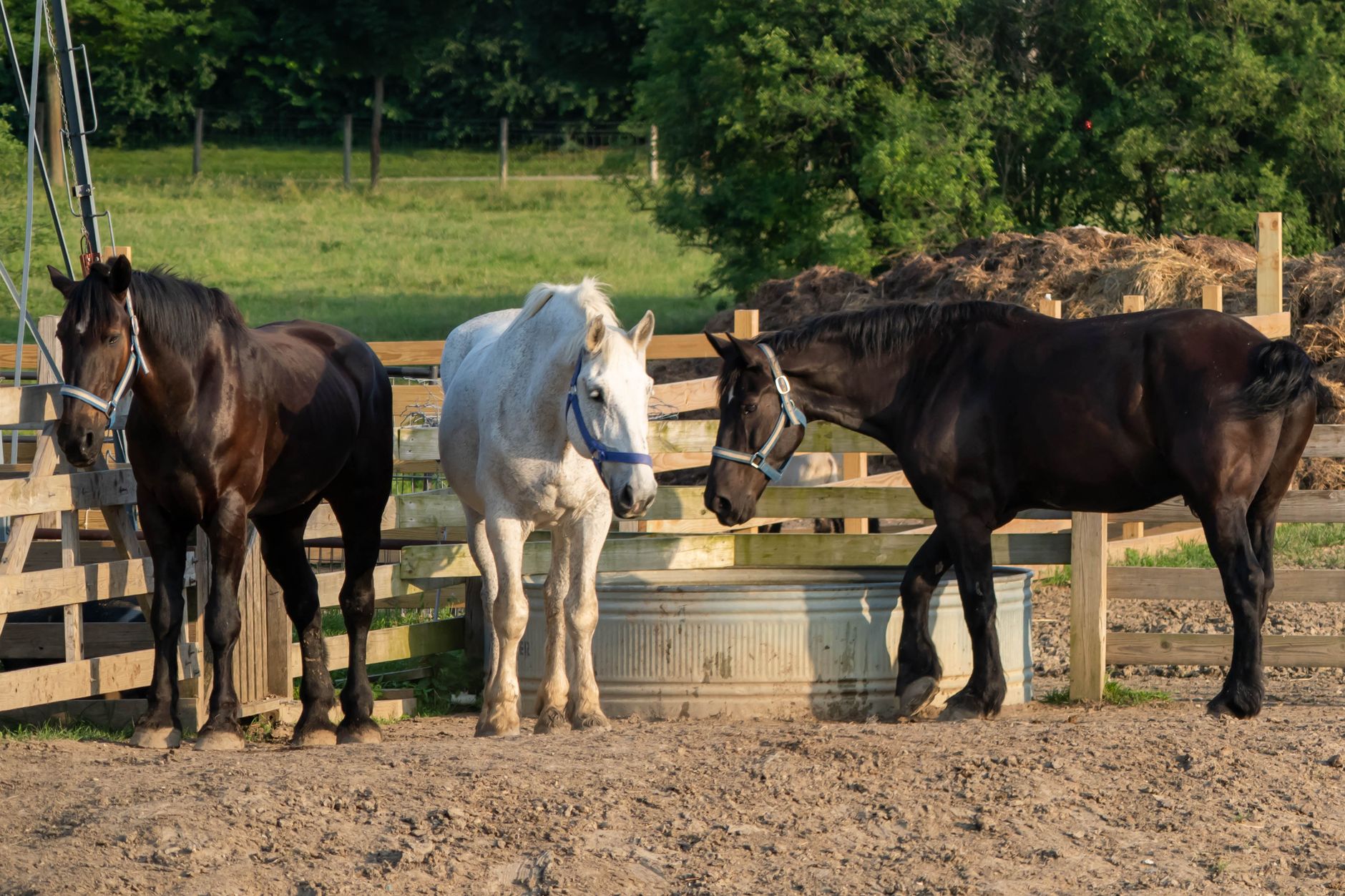
Regular grooming serves multiple purposes beyond making your horse look beautiful. Grooming improves circulation, removes dust and dirt from the coat, allows you to check for cuts or injuries, and strengthens your bond with your horse. A daily grooming routine includes using curry combs, dandy brushes, and body brushes to remove dirt and loose hair. Pay special attention to areas where tack sits, as dirt in these regions can cause saddle sores and discomfort. Hoof care is equally important—pick out hooves daily to remove packed dirt and check for problems like rocks or thrush. Regular farrier visits every 6 to 8 weeks keep hooves properly trimmed and balanced. During shedding seasons, additional grooming helps remove loose hair and can prevent matting. Bathing your horse with appropriate shampoos maintains coat health while a mane and tail conditioner prevents breakage. The grooming supplies and products you’ll need are available through quality retailers like gsequestrian.co.uk, ensuring you have everything necessary for thorough care.
Exercise, Movement, and Physical Conditioning
Horses require regular exercise to maintain physical fitness and mental well-being. Exercise improves cardiovascular health, strengthens muscles, and helps prevent behavioral problems that arise from boredom or pent-up energy. The amount and intensity of exercise depends on your horse’s age, conditioning level, and discipline. Young horses should have limited jumping or intense work to protect developing bones, while senior horses need regular gentle movement to maintain muscle. Varying your exercise routine prevents boredom and works different muscle groups. Turnout in pasture where your horse can move freely is essential, even for stabled horses. Many horses benefit from regular trail riding or pasture riding that allows natural movement patterns. Building conditioning gradually prevents injury and improves performance. Whether you ride daily or have limited time, incorporating consistent exercise supports your horse’s physical and mental health. Proper tack and equipment from gsequestrian.co.uk makes exercise sessions more comfortable and enjoyable for both horse and rider.
Preventative Veterinary Care and Health Monitoring
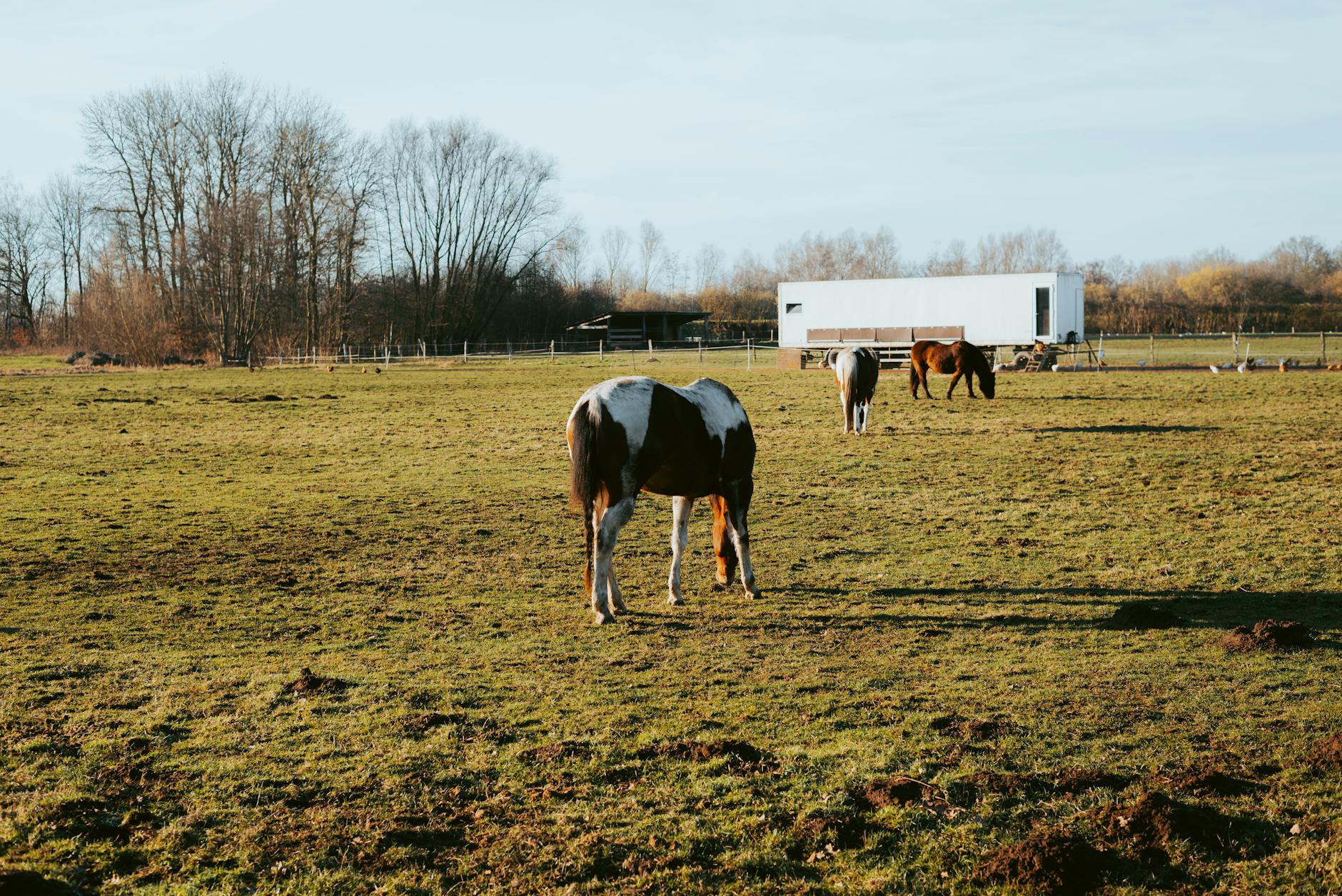
Regular veterinary checkups are crucial for maintaining your horse’s long-term health. Annual wellness exams allow your veterinarian to assess overall health, check teeth, listen to the heart and lungs, and palpate joints and muscles for problems. Vaccinations protect against serious diseases like tetanus, influenza, and West Nile Virus. Deworming programs reduce parasite loads that can affect digestion and overall health. Dental care is frequently overlooked but essential—horses’ teeth grow continuously and can develop sharp edges that cause eating difficulties. Senior horses may need more frequent veterinary attention and adjustments to their care program. Maintaining detailed health records helps you track changes and communicate effectively with your veterinarian. Emergency situations require immediate attention, so knowing the location and contact information of the nearest equine veterinary clinic is important. When health issues arise, investing in proper treatment prevents complications and supports recovery. Quality supplements and therapeutic products available through gsequestrian.co.uk can support your horse’s overall wellness between veterinary visits.
Shelter, Fencing, and Environmental Safety
Your horse needs secure shelter that protects from harsh weather, provides shade, and offers security. A three-sided run-in shed allows horses to escape wind, rain, and intense sun while maintaining turnout flexibility. Stalls provide additional security and allow you to control your horse’s environment during extreme weather or recovery from illness. Fencing must be secure and visible to prevent injury—avoid wire fencing that can cause serious wounds. Pastures should be free of hazards like broken machinery, toxic plants, or standing water. Providing adequate space for movement supports your horse’s physical and mental health; most horses benefit from access to pasture daily. Water sources must be reliable, safe, and accessible. Salt blocks and mineral supplements ensure your horse receives necessary electrolytes. Safe handling facilities including crossties or stocks allow you to safely groom, tack up, and perform basic medical procedures. Creating a safe, comfortable environment demonstrates commitment to your horse’s welfare. Supplies and equipment needed for proper shelter and safety management are available through gsequestrian.co.uk.
Building a Comprehensive Horse Care Program
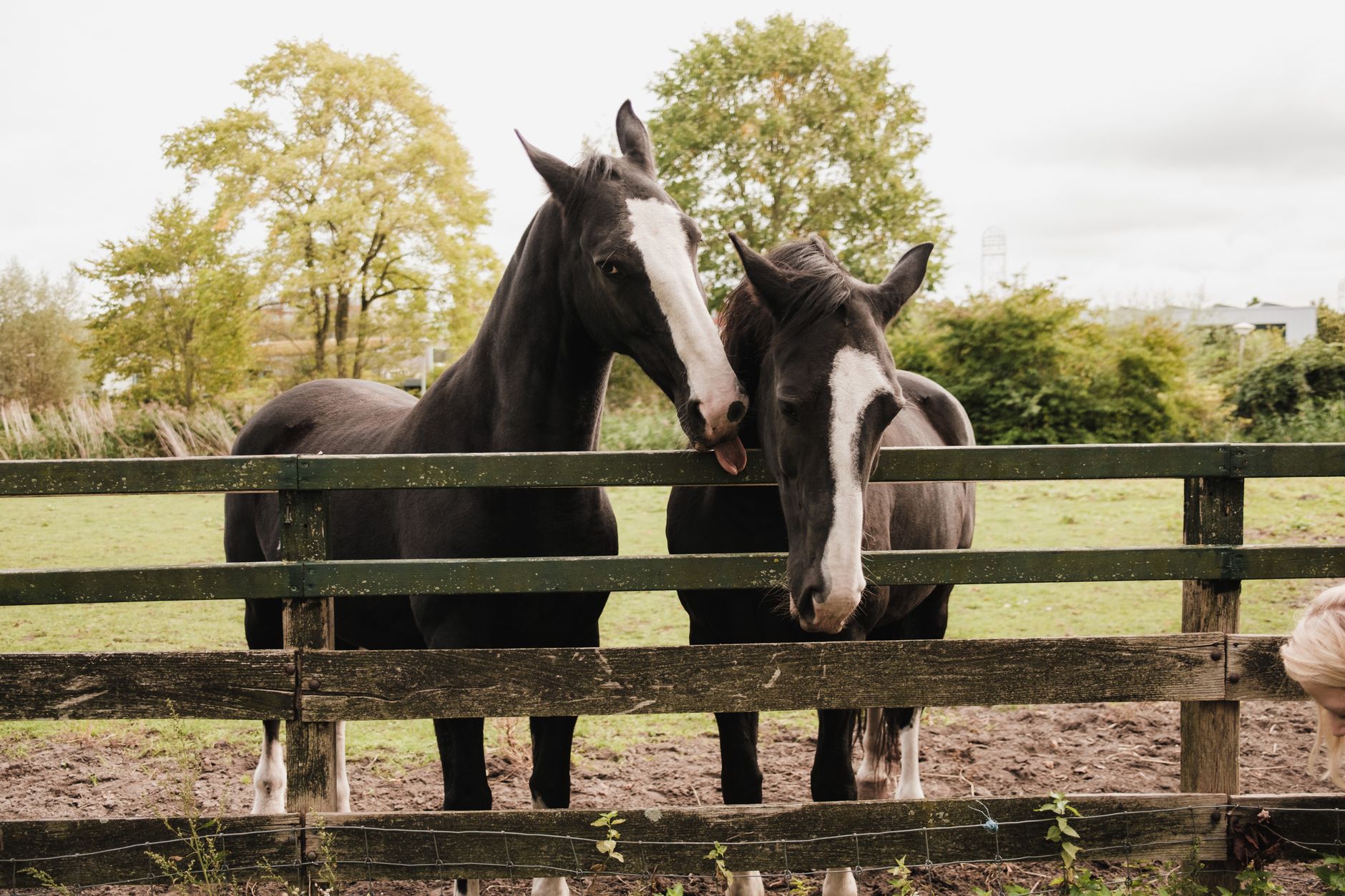
Creating a complete horse care routine ensures your horse enjoys a long, healthy, productive life. This includes daily attention to grooming, feeding, water, and exercise, combined with regular veterinary care and preventative measures. Maintaining a care calendar helps you track vaccinations, farrier visits, and dental appointments. Building relationships with qualified veterinarians, farriers, and equine professionals provides access to expert guidance. Your horse thrives when you understand their individual needs and adjust care accordingly. The investment you make in proper horse care today prevents costly problems and supports your horse’s quality of life.